How to Budget a Two-Week Trip Through the Terai Province: A Complete Guide

30, Jun 2026 | nepaltraveller.com

Nepal's Terai is the country most travelers never plan for, and that is exactly why it rewards the ones who do. Stretching along the southern lowlands from Kanchanpur in the far west to Jhapa in the east, the Terai holds jungle safaris, ancient pilgrimage towns, Tharu villages, and wetlands thick with birdlife, all at a fraction of what a Himalayan trek costs. This guide breaks down exactly what two weeks across the Terai will cost, where the money goes, and how to stretch every rupee further.

Why Budget the Terai Differently Than the Rest of Nepal

Most Nepal budget guides are written for Kathmandu and the trekking trails. The Terai runs on a different cost structure. Distances between destinations are long and flat, so transport eats a bigger share of the budget than altitude gear or permits would on a mountain trip. National park entry fees and safari activities, not hotels, tend to be the single biggest expense. And because the region sees far fewer foreign tourists than Pokhara or the Annapurna circuit, prices for food, guesthouses, and local transport stay noticeably lower once you're outside the main park gates.

Two-Week Terai Budget Breakdown

Below is a realistic daily cost range per person, assuming a mix of budget and mid-range choices, traveling as part of a pair (solo travelers should add 15 to 20 percent for single-occupancy room costs).

  • Accommodation: $8 to $35 per night. Budget guesthouses and homestays in Tharu villages run $8 to $15; mid-range lodges near Chitwan or Bardiya with attached bathrooms and meals included run $20 to $35.
  • Food: $6 to $15 per day. Local dal bhat meals cost $2 to $3 each; tourist-lodge set menus with continental options run higher.
  • National park fees: $15 to $35 per park entry (Chitwan, Bardiya, Koshi Tappu, and Shuklaphanta each charge separately), plus guide fees of roughly $15 to $25 per half-day activity.
  • Local transport: $3 to $10 per day for shared jeeps, local buses, and rickshaws; tourist buses between major towns run $8 to $20 per route.
  • Activities: $15 to $40 per safari or canoe trip, $5 to $15 for cultural tours, village walks, or museum visits.
  • Miscellaneous: $5 to $10 per day for SIM cards, bottled water, snacks, and tipping.

Add it up and a realistic two-week range lands between $450 and $950 per person, excluding international flights into Nepal. Budget backpackers sticking to homestays and public transport can come in closer to $400, while travelers who want private jeeps and upscale jungle lodges should plan for $1,200 or more.

A Sample Two-Week Terai Itinerary

This route moves west to east, though it works equally well reversed depending on your entry and exit points.

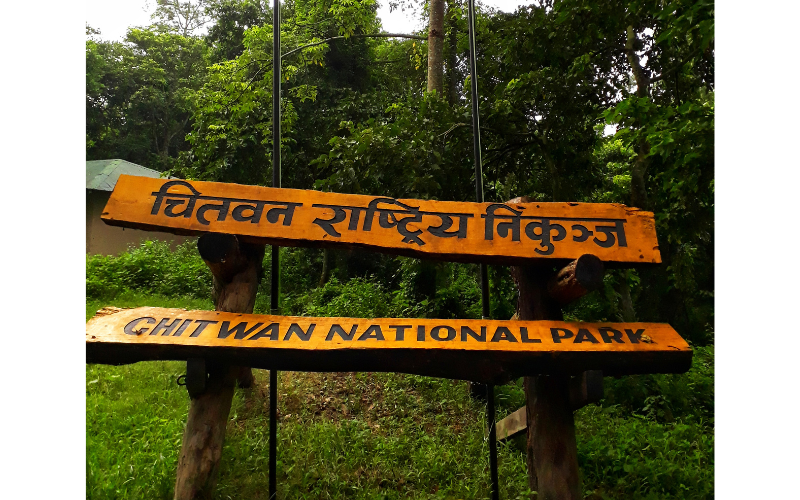
Days 1 to 4: Chitwan National Park

Chitwan is the most accessible entry point into the Terai and a good place to calibrate your spending before heading further afield. Budget $25 to $40 per day here, covering a guesthouse, two meals, and one safari activity like a jeep drive or canoe ride along the Rapti River.
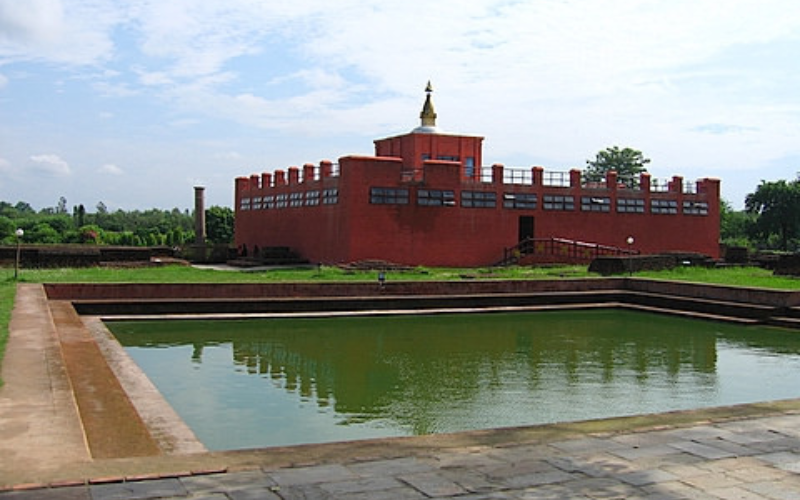
Days 5 to 7: Lumbini

The birthplace of Buddha is flat, walkable, and inexpensive. A bicycle rental costs $2 to $3 a day and is the best way to cover the monastic zone. Budget $20 to $30 per day, including a simple guesthouse and modest meals near the Sacred Garden.
Days 8 to 11: Bardiya National Park

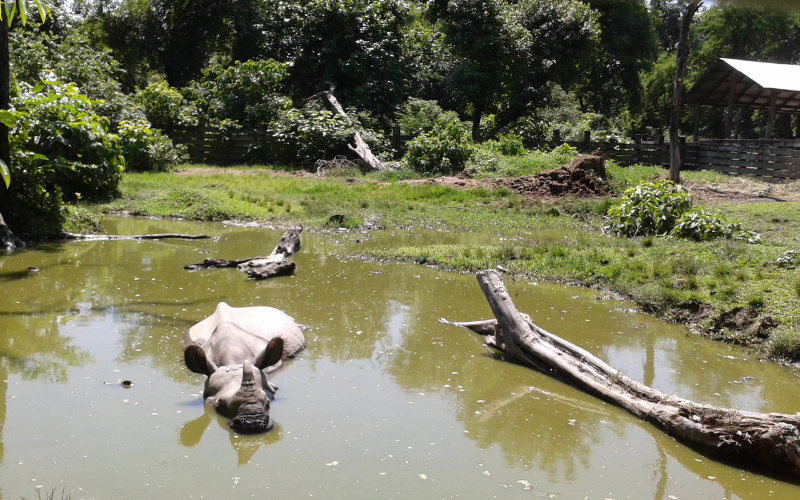
Bardiya gets a fraction of Chitwan's visitor numbers but delivers stronger tiger and rhino sightings per safari. Lodge prices run slightly above Chitwan, so plan for $30 to $45 per day if you add a jungle walk or elephant-back wildlife viewing in addition to a standard jeep safari.
Days 12 to 14: Kanchanpur and Shuklaphanta

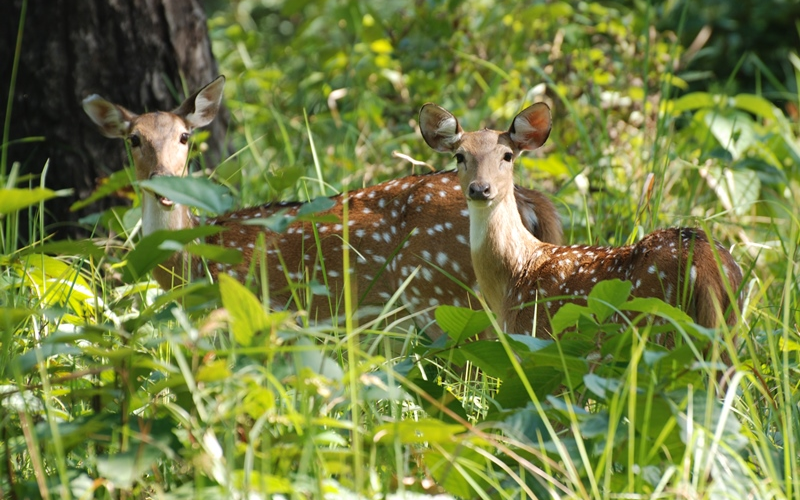
Few foreign travelers make it this far west, which keeps prices low and crowds nonexistent. Shuklaphanta National Park, home to the world's largest swamp deer population, costs less to enter than Chitwan or Bardiya and pairs well with a relaxed final few days. Budget $20 to $35 per day.
Money-Saving Tips for the Terai

  1. Travel by shared jeep or local bus instead of chartering private vehicles between towns; the savings compound quickly over two weeks.
  2. Book homestays through community-run tourism boards in Tharu villages rather than hotel booking platforms, which often skip the most affordable local options entirely.
  3. Eat where locals eat. A dal bhat set meal delivers more calories and flavor per dollar than any tourist-menu item.
  4. Combine park activities. Many lodges bundle a jeep safari, canoe ride, and village walk into a single discounted package rather than booking each separately.
  5. Travel in the shoulder months of October to November or February to March, when park fees stay the same but lodge rates often drop due to lower demand.
  6. Carry cash. ATMs are sparse outside district headquarters like Bharatpur, Nepalgunj, and Mahendranagar, and card payments are rarely accepted in rural areas.

What Two Weeks Actually Buys You

A two-week Terai budget of roughly $600 to $800 per person covers four national park regions, multiple safari activities, a Buddhist pilgrimage site, and enough flexibility to slow down where the wildlife or the welcome is especially good. That is a markedly different value proposition than the same budget would deliver in Kathmandu or on a teahouse trek, and it is precisely why the Terai deserves a spot on any serious Nepal itinerary, not just a stopover on the way to the mountains.

Planning tip: build a buffer of 10 to 15 percent into any Terai budget. Jeep breakdowns, monsoon-season road delays, and the occasional splurge on a better wildlife lodge are common enough that a strict budget rarely survives two full weeks intact.


Picture Credits: Wikimedia Commons


Also Read


Local Food in Bhaktapur: A Complete Guide to Newari Cuisine

Asar 15 and Dahi Chiura

Best Time to Visit Nepal: A Month-by-Month Travel Guide

Tsum Valley Trek: A Complete Guide to Nepal's Hidden Buddhist Kingdom

The Apple Orchards of Marpha: Nepal's High-Altitude Eden

join our newsLetter

powered by : nepal traveller digital publication pvt. ltd

developed by : Web House Nepal