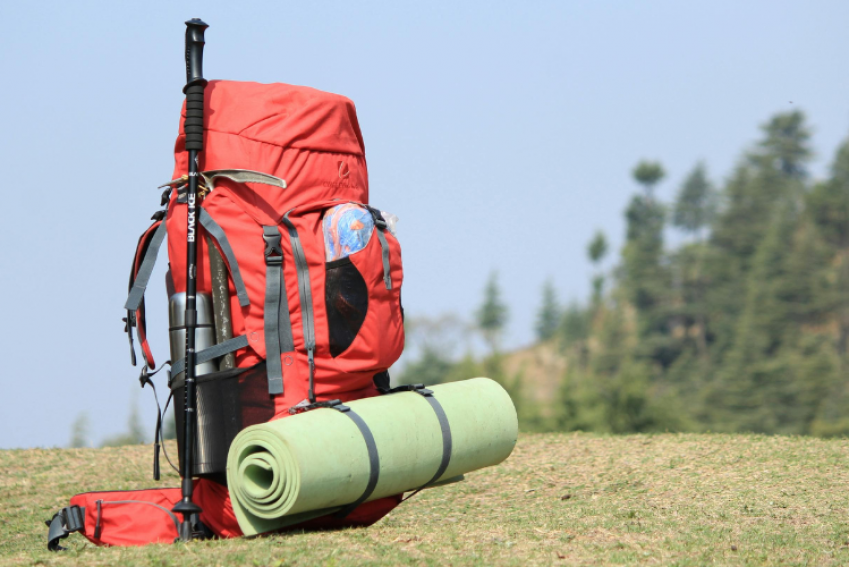
Most trekkers use their backpacks every season without ever discovering some of the clever features built into them. Modern trekking bags are designed with small survival-focused details that go far beyond simply carrying clothes and gear.
From emergency whistles to secret loops and stabilising straps, here are some hidden trekking bag features many hikers still overlook.
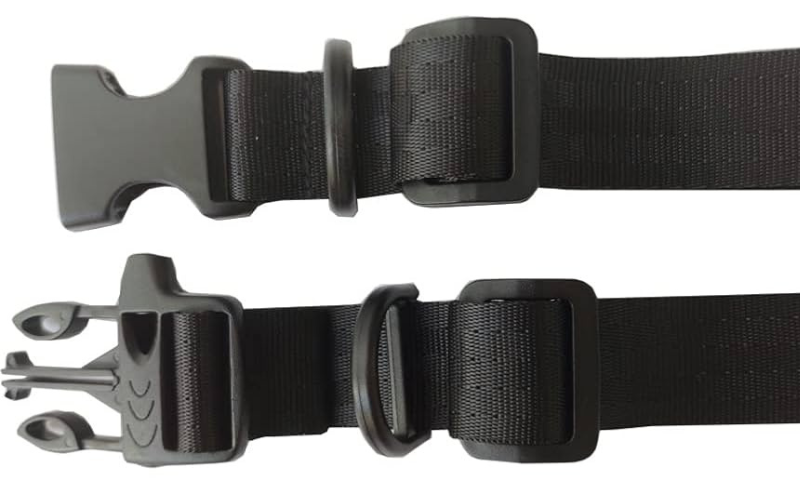
One of the most overlooked trekking bag features is the whistle attached to the chest buckle.
Many modern trekking backpacks come with:
A built-in safety whistle integrated into the sternum strap
An emergency signalling tool useful during fog, snowfall, or trail separation
In remote mountain regions where mobile signals disappear quickly, whistles can travel much farther than your voice.
Outdoor safety experts commonly recognise three short whistle blasts as an international distress signal.
Many trekkers carry separate whistles without realising their backpack already includes one.
Those small loops stitched onto your shoulder straps are not just decorative details.
They are designed to:
Without these loops, hydration pipes tend to swing around constantly during steep ascents and descents.
The small straps located near the top of the shoulder section are called load lifters.
Many beginners ignore them completely, but they help:
When adjusted properly, your trekking bag feels more stable and less exhausting to carry.
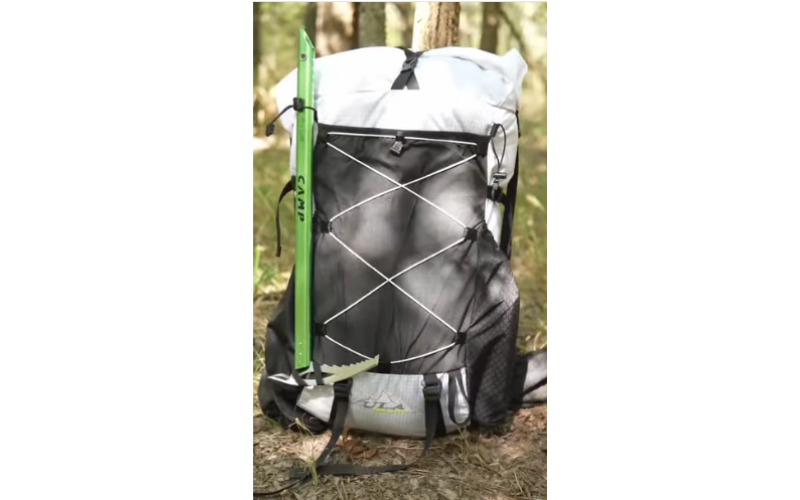
The loops near the lower front section of trekking bags are usually designed for ice axes or trekking poles.
However, trekkers in Nepal often creatively use them for:
It’s a practical way to save space inside the backpack.
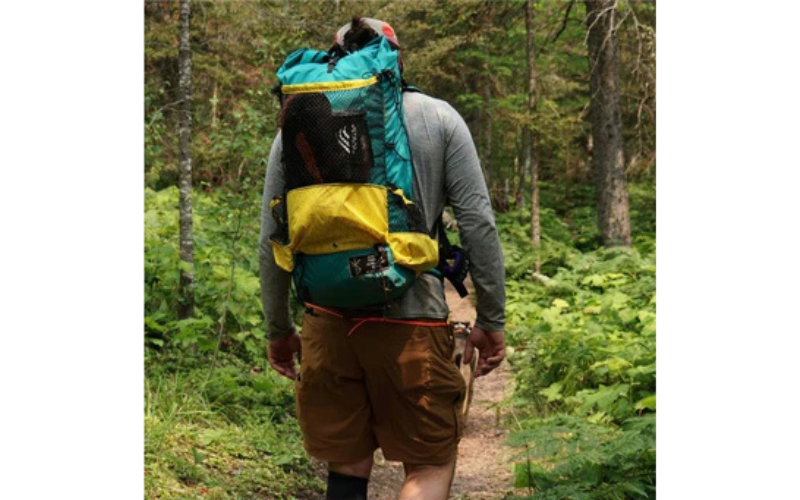
Many hikers leave hip belt pockets empty without realising how useful they are.
These pockets are ideal for:
Keeping frequently used items within reach means fewer stops and less unpacking during long walking days.
Side compression straps are designed to stabilise weight and prevent gear from shifting around. But they can also hold:
Experienced trekkers often use these straps to temporarily carry outer layers during changing Himalayan weather.
Many trekking bags include built-in rain covers stored inside a zipped bottom compartment.
Yet many trekkers purchase separate covers without checking first.
These hidden rain covers:
Still, experienced hikers often combine rain covers with internal dry bags for better waterproofing.
Small holes near lower pockets or bottle compartments allow trapped water to escape.
They become useful when:
Without drainage, moisture can spread throughout the backpack.
A trekking bag does much more than simply store gear.
Its structure is designed to spread weight across:
That’s why every strap and buckle matters.
Ignoring these features often leads to:
Learning how your backpack functions properly can dramatically improve trekking comfort.
Before your next trek, take a few minutes to fully explore your backpack. Check every loop, buckle, hidden compartment, and adjustment strap.
You may discover useful features that have been there the entire time, waiting to make your mountain journey easier.
Because sometimes, the smartest trekking gear is already attached to your bag.
Also Read