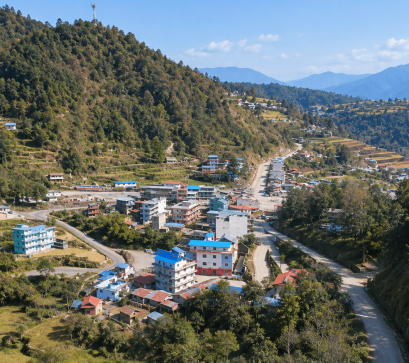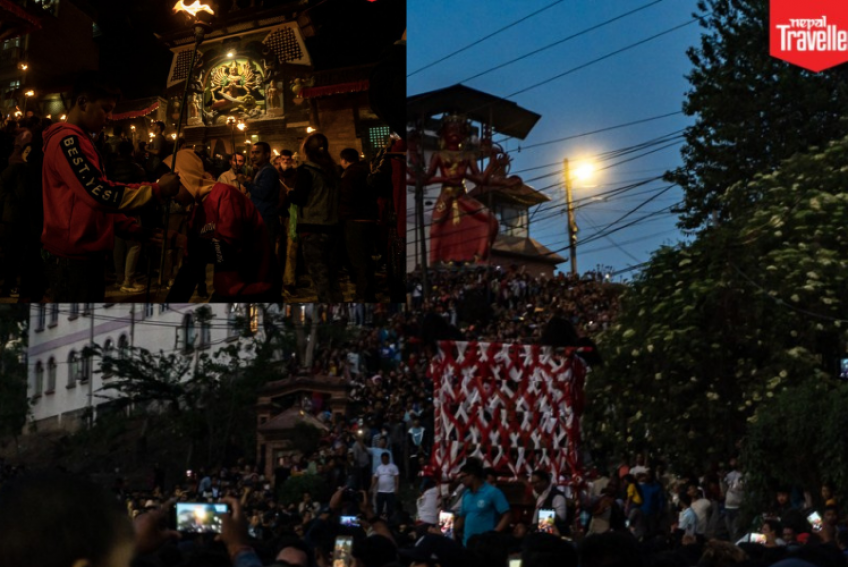
In the historic town of Banepa, approximately 25 kilometres east of Kathmandu, one of the Valley’s most vibrant and culturally significant festivals unfolds each spring. The Chandeshwori Jatra transforms this ancient settlement into a dynamic landscape of devotion, music, and communal celebration.
Observed annually on Baisakh Shukla Purnima, the first full moon of the Nepali lunar calendar, also associated with Chandi Purnima, the festival continues over three days, drawing devotees and visitors alike to honour Goddess Chandeshwori, regarded as the guardian deity of Banepa.
At the heart of the festival lies a powerful myth rooted in the triumph of good over evil. According to local belief, a demon named Chandasur received a boon from Lord Shiva that rendered him invincible to men. Emboldened, he unleashed chaos across both heaven and earth.
The gods, unable to withstand his power, sought refuge in the forests near Banepa, where the mother goddess manifested as Chandeshwori. Mounted on a lion, she confronted the demon in a fierce battle and ultimately defeated him with her trident. It is said that a sacred lingam emerged from the demon’s body, commemorated today within the temple precinct.
This narrative forms the spiritual foundation of the Jatra, symbolising the enduring victory of divine order over chaos.
Day One: Mata Puja and the Torch Procession
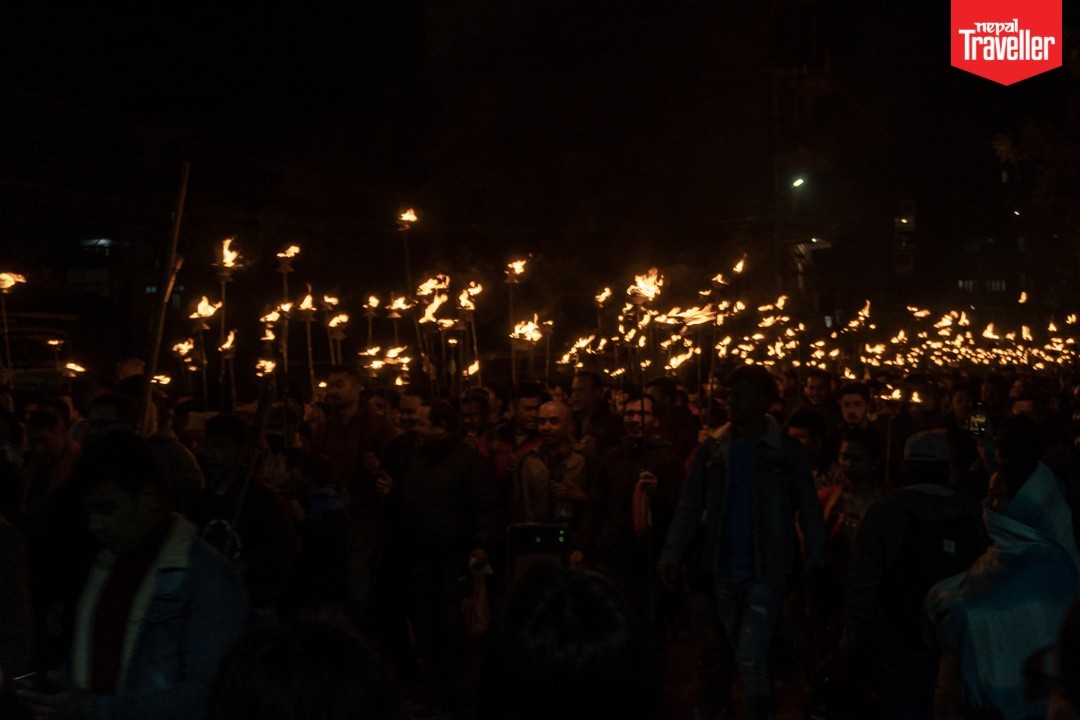
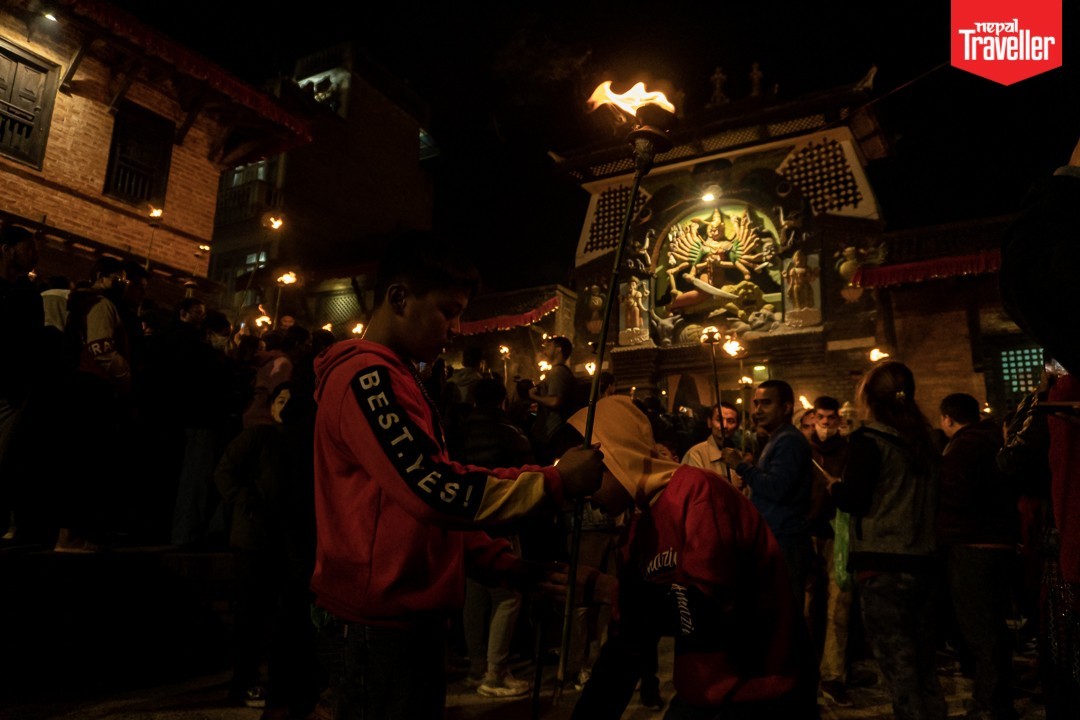
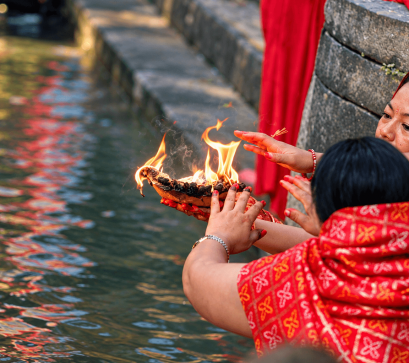
The festival begins in the early hours, around 3:00 am, with Mata Puja, also known as the Chirag Yatra. Devotees carry oil lamps from their homes, assembling at Layeku (the historic palace square) before proceeding towards local shrines for ritual observances.
Accompanied by traditional Newar instruments such as the dhime and naykhin, the procession creates an evocative atmosphere that marks the formal commencement of the Jatra.
The Chariot Procession
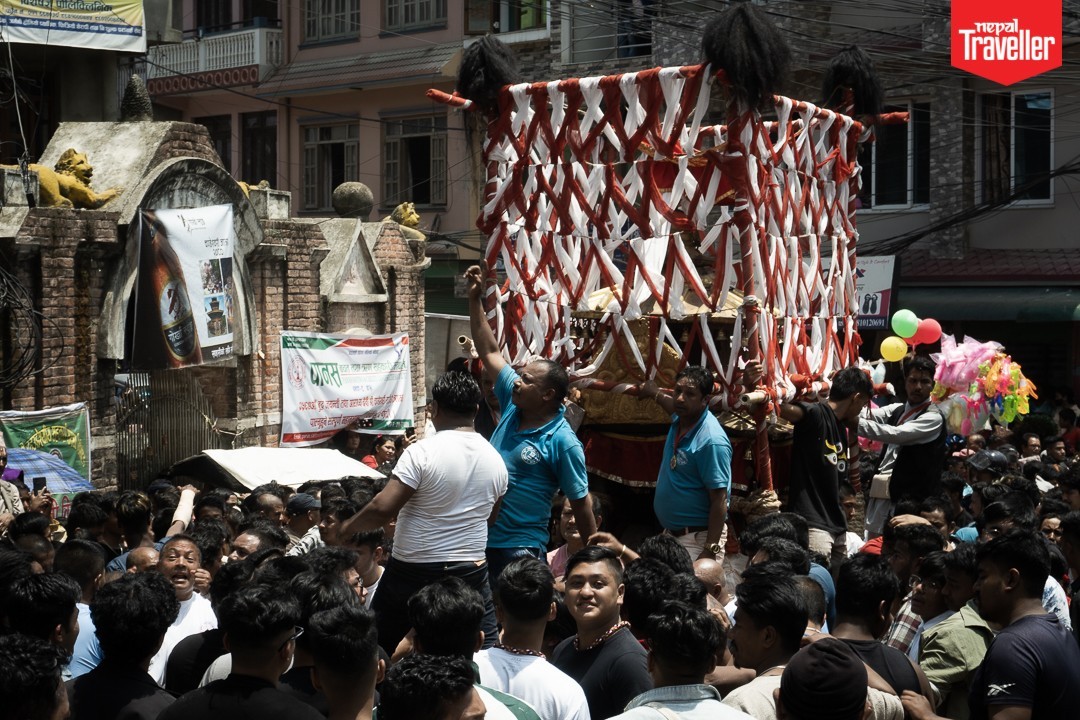
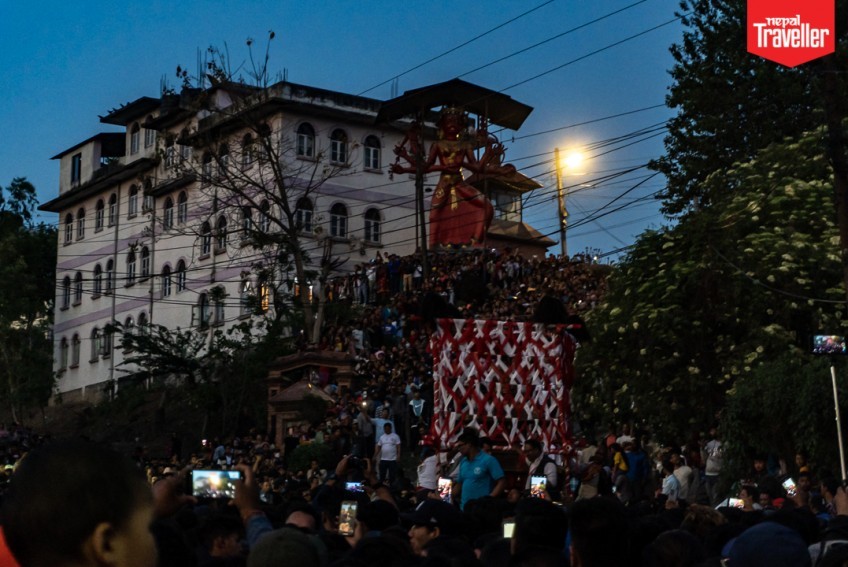
Later in the afternoon, the festival’s most anticipated event begins: the chariot procession of Goddess Chandeshwori. The deity’s idol is placed upon a chariot and carried through the streets of Banepa by devotees.
A notable stretch of the route includes Acha Khyo (Ghokechaur), where local belief holds that the chariot must not be halted while navigating the incline. As the procession moves through neighbourhoods, residents offer food and offerings from their homes, expressing devotion and seeking blessings.
Day Two: Ritual Journey and Community Participation
The second day continues with the chariot’s movement through key areas of the town, including Bakutol; associated in local tradition with the site of the demon’s defeat.
Along the route, ritual observances take place at locations such as Bhairav Kunda, while communities gather to welcome the deity with traditional ceremonies. In certain neighbourhoods, customary rituals are performed by local families, reflecting the deep-rooted social fabric of the festival.
Kalan Daan: The Sacred Offering
The festival’s most distinctive ritual, Kalan Daan, takes place after the chariot procession concludes at Layeku. As the deity is taken to the Chandeshwari Dyo Chhen (the god’s residence or shrine), the Kalan Daan ceremony is held at Nhekanchapa, typically around 9:00 pm.
During this ceremony, twelve goats are sacrificed to the deities inside the temple. Portions of the meat are distributed as prasad (sacred offering) among the gathered devotees. Receiving this offering is considered a great fortune and blessing. The remaining meat is shared with the crowd in a ritual known as Kalanda.
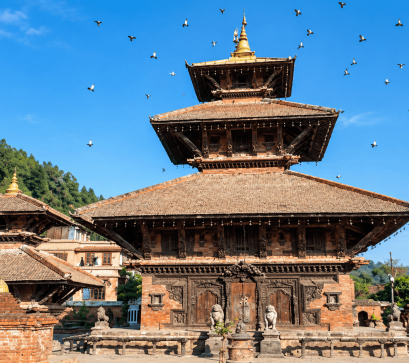
At the centre of the festival stands the Chandeshwori Temple, a striking three-tiered pagoda structure located in the north-eastern part of Banepa. The temple, rebuilt in its current form during the 17th century, features intricate woodwork and iconography reflective of Newar craftsmanship.
The complex includes depictions of Bhairab and other protective deities, as well as associated shrines that play integral roles during the Jatra. Adjacent structures, including the Dyochhen, house ceremonial objects used during the festival.
Banepa’s identity as a historic trading centre enriches the significance of the Jatra. Situated along ancient routes connecting the Kathmandu Valley with Tibet, the town has long been a hub of cultural and economic exchange.
This layered history is reflected in the festival itself, where religious devotion intersects with community heritage, reinforcing Banepa’s enduring cultural identity.
Like many traditional festivals, Chandeshwori Jatra navigates the pressures of modernisation. Infrastructure constraints—such as overhead wires along the procession route—can disrupt the chariot movement, while the maintenance of associated heritage sites remains an ongoing concern.
Additionally, shifts in lifestyle and migration patterns have influenced levels of youth participation. Sustaining the festival’s essence requires not only preserving rituals but also fostering deeper understanding among younger generations.
When to Visit:
Baisakh Shukla Purnima (April-May), over three days
Location:
Banepa, Kavrepalanchok district
What to Expect:
Travel Note:
A related observance also takes place in Bhaktapur, though rituals and duration may differ.
The Chandeshwori Jatra remains a powerful expression of living heritage; one that continues to evolve while retaining its spiritual core. Through ritual, music, and collective participation, it connects generations and preserves a shared cultural memory.
In Banepa, the festival is not merely observed; it is lived, an enduring testament to devotion, identity, and the resilience of tradition in a changing world.
Also Read