Trekking in Nepal whether along the iconic routes to Everest Base Camp or across the diverse terrain of Annapurna Circuit demands thoughtful preparation. Beyond the usual packing checklist, a few often-overlooked items can significantly improve comfort, recovery, and resilience on the trail. Here’s a slightly deeper look at seven smart essentials every trekker should consider.
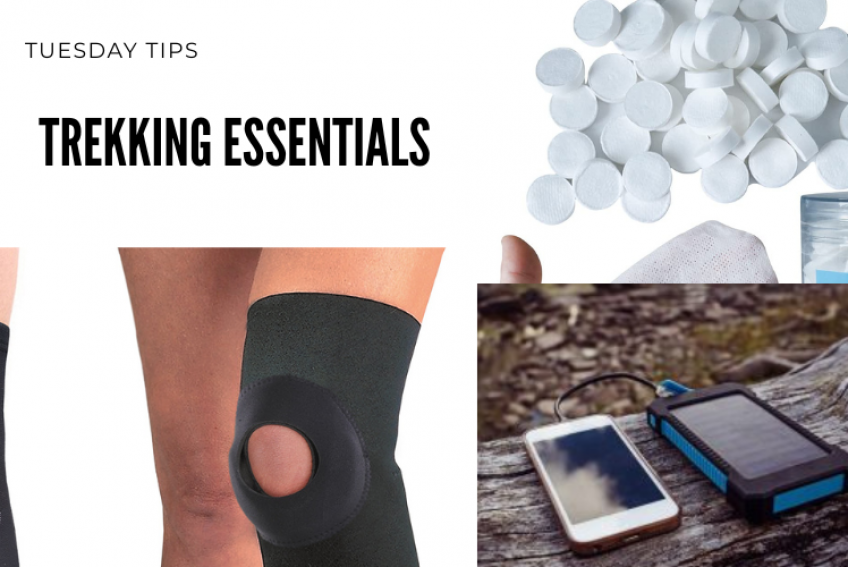
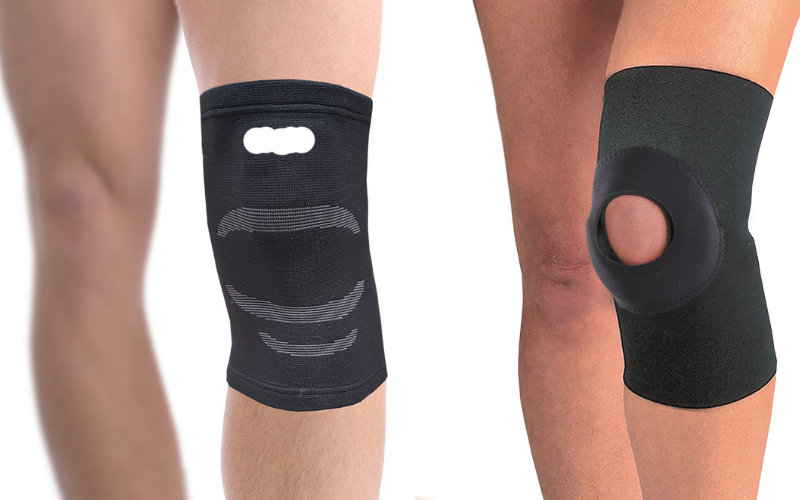
Nepal’s trekking routes are known for long ascents but it is the descents that often strain the knees the most. A lightweight knee brace or compression sleeve provides added stability, reduces impact on joints, and helps prevent fatigue over consecutive trekking days. Particularly useful on stone staircases and steep downhill sections common across mid-hill trails.
At higher elevations, the body loses fluids more rapidly due to dry air and increased exertion. Electrolyte tablets or sachets replenish essential minerals such as sodium and potassium, helping maintain energy levels and reduce fatigue. They are especially beneficial when plain water alone is not enough to keep you fully hydrated.

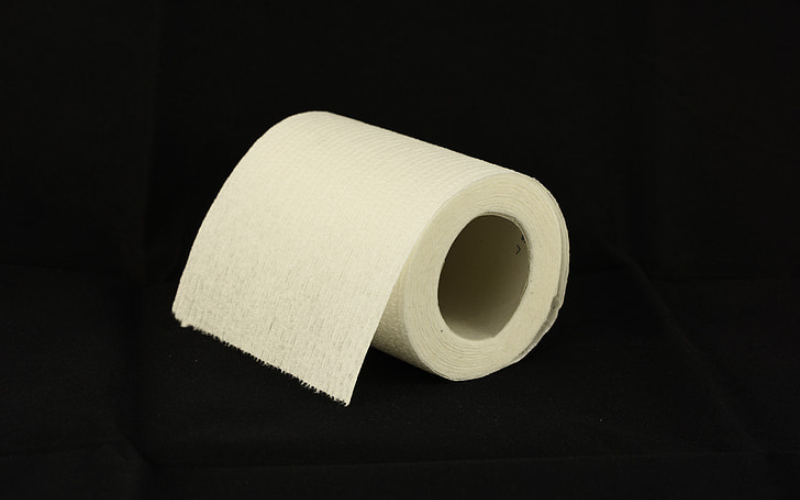
Facilities in remote areas can be basic and unpredictable. Carrying durable, good-quality toilet paper ensures personal hygiene and comfort throughout the trek. It is advisable to keep it in a waterproof pouch, especially during unpredictable weather conditions.
Compressed or microfibre towels are compact, highly absorbent, and quick-drying, making them ideal for trekking conditions. Whether for a quick wash, drying off after rain, or maintaining basic hygiene, they offer convenience without adding bulk to your pack.

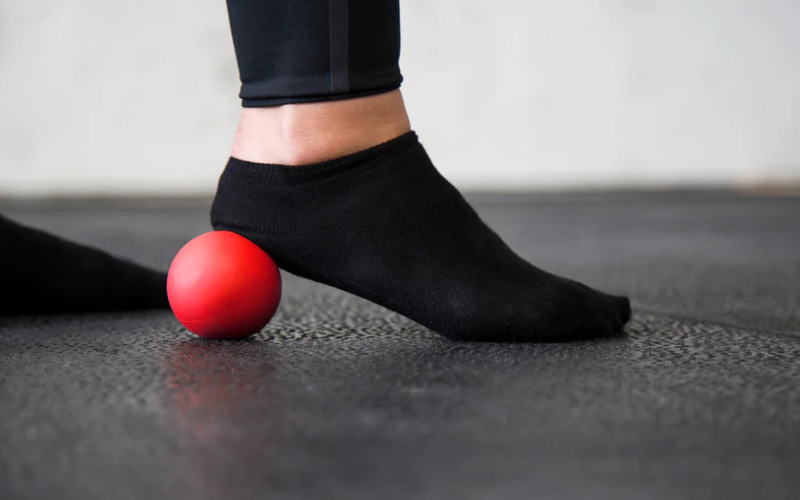
A small mobility or massage ball is a simple yet effective recovery tool. After long trekking hours, it can help relieve tension in calves, feet, and lower back. Regular use improves circulation and reduces stiffness, helping you stay prepared for the next day’s climb.
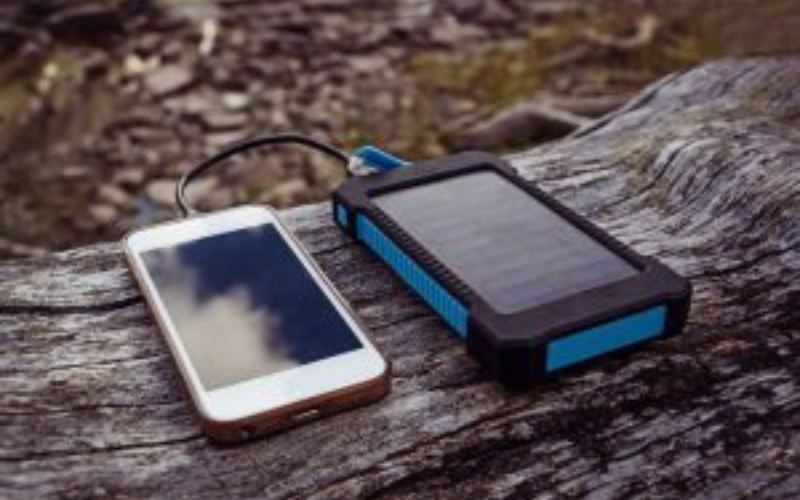
Electricity is limited and often chargeable in higher-altitude lodges. A solar-powered power bank provides a reliable energy source for phones, cameras, and GPS devices. It ensures you stay connected, navigate safely, and capture moments without worrying about battery life.
Cold, dry mountain air can quickly affect skin and lips. Coconut oil serves multiple purposes: it acts as a moisturiser, lip balm, and even a soothing remedy for minor irritations. Compact and natural, it is a practical addition to any trekking kit.

While major gear ensures survival, it is often these smaller, thoughtful additions that enhance the overall trekking experience. They support physical well-being, improve daily comfort, and help trekkers adapt more effectively to Nepal’s varied terrain and altitude conditions.
Also Read