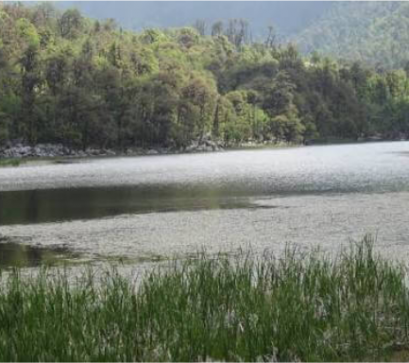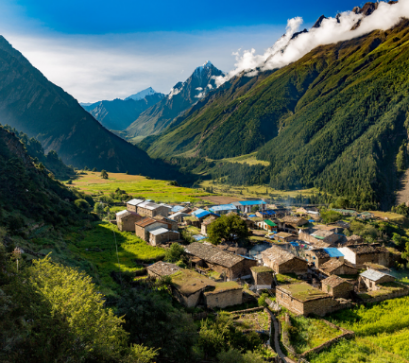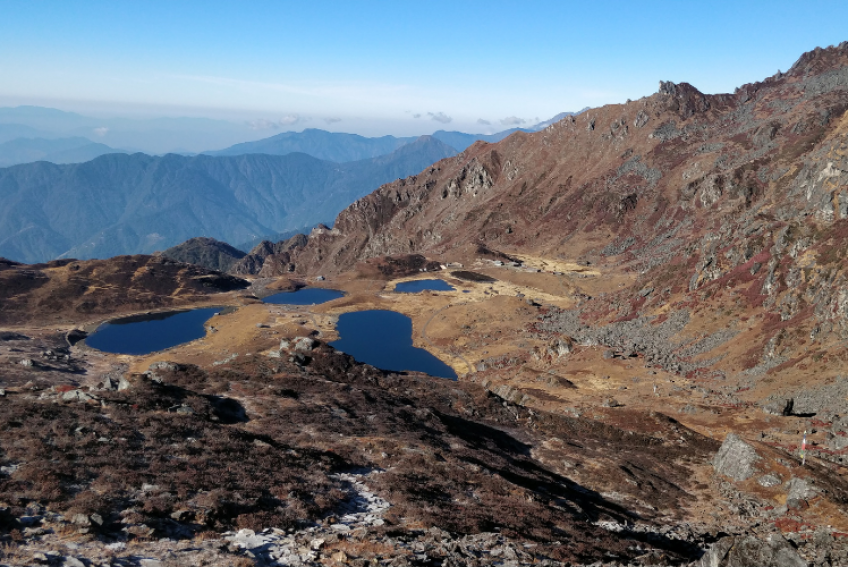
Nestled in the northeastern reaches of Sindhupalchok, Panch Pokhari, literally translating to “five ponds” is a sacred alpine destination revered by both Hindus and Buddhists. Perched at an elevation of approximately 4,100 metres, this tranquil lake complex unfolds against a rugged Himalayan backdrop, with sweeping views extending towards the Jugal Himal and Langtang ranges.
While Panch Pokhari has long held religious significance, particularly during Janai Purnima when pilgrims gather to bathe in its icy waters, it is increasingly emerging as a compelling trekking destination. Offering a quieter alternative to Nepal’s more frequented trails, this short trek delivers a rewarding Himalayan experience without requiring extensive time or advanced technical ability.
Accessible within a long weekend, the Panch Pokhari trek is well-suited to beginners with reasonable fitness, as well as seasoned trekkers seeking a brief yet fulfilling escape from the capital.
Day 1: Kathmandu to Chhimti to Tuppidada
The journey begins with an early morning departure from Jorpati in Kathmandu, followed by a scenic 5-6 hour drive to Chhimti (1,800 m) via Melamchi. From here, the trail ascends steadily through Deurali before reaching Tuppidada after approximately three to four hours of walking.
This initial day introduces trekkers to a mix of rural landscapes and gradual inclines, offering a manageable yet engaging start to the journey.
Day 2: Tuppidada to Panch Pokhari
The second day is the most demanding, yet also the most visually rewarding. The trail progresses through rhododendron forests, open pastures, and increasingly sparse alpine terrain as altitude is gained.
Passing through Ratomato, Chokkardada (3,100m), and Noshyampati, trekkers gradually ascend towards Panch Pokhari. By late afternoon, the sacred lakes reveal themselves: serene, stark, and spiritually evocative within a high-altitude landscape.
Day 3: Panch Pokhari Exploration and Return to Chhimti
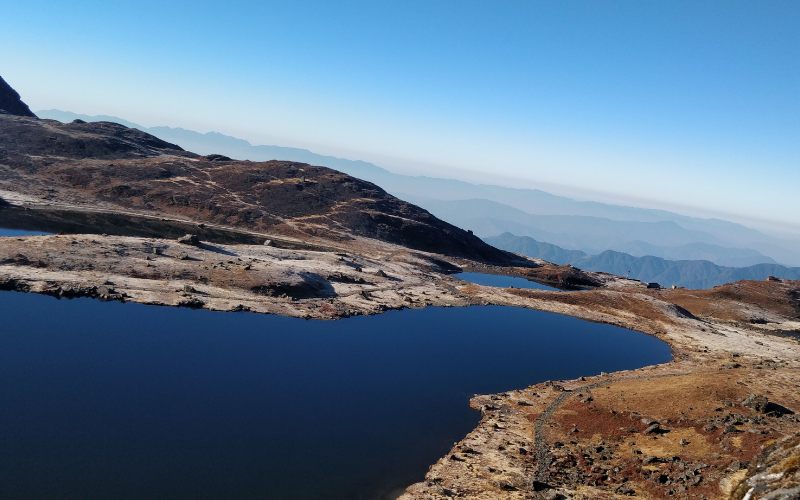
A morning at Panch Pokhari allows time to explore the five lakes and absorb their quiet, spiritual atmosphere. A short hike to a nearby viewpoint (4,300m), approximately 45 minutes offers panoramic vistas of the surrounding Himalayan ranges.
The descent retraces the same route back to Chhimti, typically taking around seven hours in total, with gentler terrain allowing for a more relaxed pace.
Day 4: Return to Kathmandu
The final leg involves a morning bus journey back to Kathmandu, concluding the trek within a compact and convenient timeframe.
Unlike Nepal’s more commercial trekking routes, Panch Pokhari retains a sense of authenticity and quiet charm. It is not defined by luxury lodges or crowded trails, but rather by its simplicity, cultural depth, and natural beauty.
The trek’s affordability averaging around NPR 7,000 to 10,000 including transport, meals, and accommodation makes it particularly appealing to domestic travellers and budget-conscious explorers. Moreover, the gradual ascent allows for adequate acclimatisation, making the altitude manageable for most.
For those seeking an alternative to busier routes such as Langtang Valley or more logistically demanding circuits like Manaslu Circuit, Panch Pokhari presents a compelling option: short, scenic, and quietly memorable.
Panch Pokhari exemplifies the understated beauty of Nepal’s lesser-known trekking routes. It offers a harmonious blend of cultural significance, natural serenity, and accessibility; qualities that are increasingly rare in a rapidly evolving trekking landscape.
For those willing to venture slightly off the beaten path, this short Himalayan journey delivers an experience that is both grounding and quietly unforgettable.
PC: Wikimedia Commons
Also Read