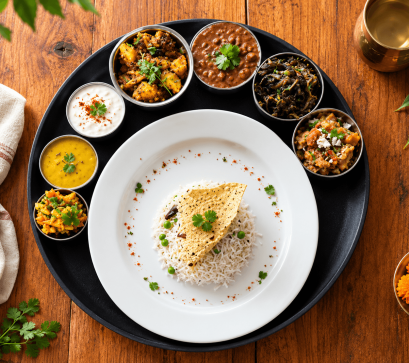
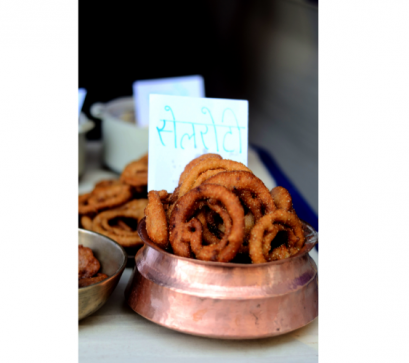
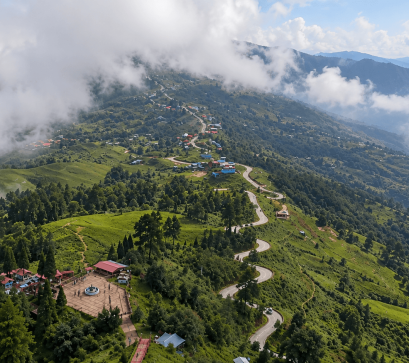
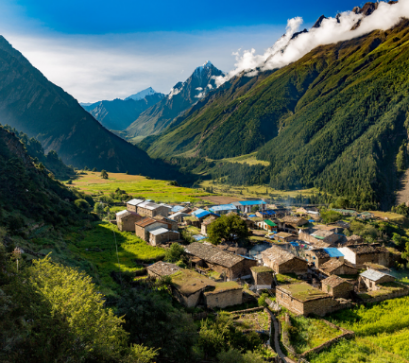
When travellers think of Nepali cuisine, dishes like momo, dal bhat, and thukpa usually dominate the conversation. But secreted away in the green hills and misty highlands of eastern Nepal is a rich culinary tradition waiting to be discovered - the indigenous food culture of the Kirat people. Comprising predominantly the Rai, Limbu, Sunuwar, and Yakkha ethnic groups, the Kirat people have preserved a unique food culture that is largely rooted in nature, fermentation, and ritual.
This article delves into three signature Kirati dishes that not only define their identity but also offer immense possibilities for cultural tourism: Kinema, Tongba, and Sukuti.
Kinema
Kinema is the most distinct and oldest dish in Kirati cuisine. A preparation of fermented soybeans, which is simple yet nutrient-packed, Kinema is named after the Limbu language "ki" (ferment) and "nemba" (smell), particularly due to its pungent odor.

Kinema is made by boiling the soybeans and allowing them to ferment naturally in a warm place, traditionally in banana or fig leaves wrapped and placed in bamboo baskets. After 2–3 days, the soybeans develop a sticky texture and pungent flavour, replete with beneficial probiotics and natural umami. The fermented beans are typically stir-fried with turmeric, tomatoes, onions, and garlic to produce a rich curry. It is most often served with steamed rice or dhido (a thick porridge made of millet or buckwheat), making it a staple dish in the majority of Kirati households. Kinema reflects the Kirati principles of respect for sustainability, tradition, and simple living - principles that are becoming more attractive to environmentally aware tourists today.
No culinary tour of eastern Nepal is complete without a sip of Tongba - a millet-based fermented alcoholic drink that's as much about friendship as it is about flavour.
Tongba
Tongba is a traditional drink made by fermenting cooked millet and allowing it to age for a few days. The fermented grains are placed in a tall bamboo or wooden container, which is topped with hot water. The drink is consumed using a metal or bamboo straw with a filter to strain the grains. Tongba is more than a beverage; it's an expression of Limbu hospitality. Offering Tongba to a guest is regarded as a gesture of warmth and camaraderie. It is traditionally offered during festivals, weddings, and evening sessions of storytelling around the fire. Several homestays and community lodges in the eastern Ilam, Dhankuta, and Taplejung districts now offer authentic Tongba experiences, complete with traditional snacks and local music.

Sukuti
For meat lovers, Sukuti - the dried meat delicacy - is the Kirat people's gastronomic treasure. Developed originally as a method of preservation during long winters and high-altitude travel, Sukuti has evolved into a flavourful delicacy enjoyed throughout Nepal.
Meat (generally buffalo, goat, or pork) is sliced thin, rubbed with spices and salt, and air-dried or smoked over a fire. The drying takes several days. The meat can then be grilled, stir-fried, or added to curries after drying. Sukuti has a chewy texture with an intense, smoky flavour - think Nepal's version of beef jerky, but seasoned with spices such as Timur (Sichuan pepper), chilli, and garlic. Some Kirat families even invite tourists to participate in the drying of meat, making it a hands-on cultural experience.

Eastern Nepal is still a largely untapped region for mass tourism, but this is quickly changing as more travellers seek out off-the-beaten-path, immersive experiences. The food culture of the Kirat provides an exciting entry point for travellers interested in connecting more deeply with people, place, and history in Nepal.
Recommended Experiences:
- Village Food Trails: Guided walking tours of Kirati villages with live cooking demonstrations and ingredients found along the way.
- Homestay Stays: Join the family for meals, learn cooking, and harvest the ingredients together.
- Festivals: Festivals like Udhauli and Ubhauli have elaborate food offerings and community feasts that tourists can observe or even participate in.
In a country already overflowing with culinary diversity, the cuisine of the Kirat people is one of Nepal's best-kept secrets. Dishes like Kinema, Tongba, and Sukuti are more than just food - they are living traditions, passed down through generations, founded on sustainability and spiritual harmony with the land.
For travellers wishing to go further than momo, a foray into Kirat cuisine is not only delicious but also deeply meaningful. It's an opportunity to taste history, honour cultural heritage, and support local communities in Nepal's beautiful and too-often-overlooked east.
Care to sample Kinema, try Tongba, or taste real Sukuti? Why not make your next cultural holiday to the highlands of eastern Nepal - where every bite tells a story?
Also Read




.png)