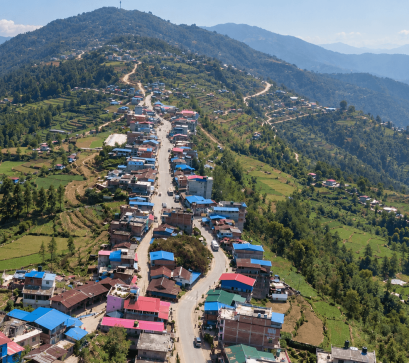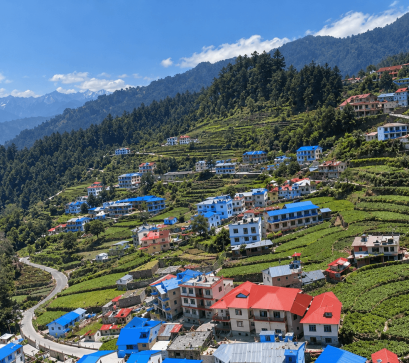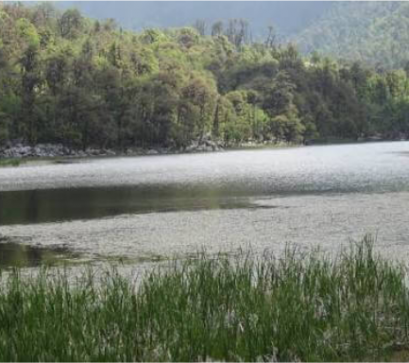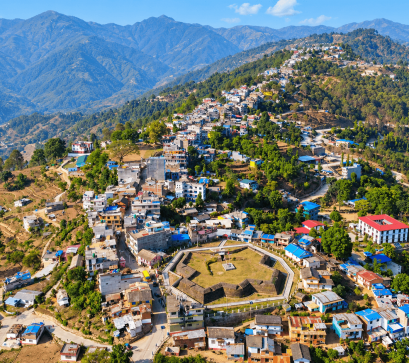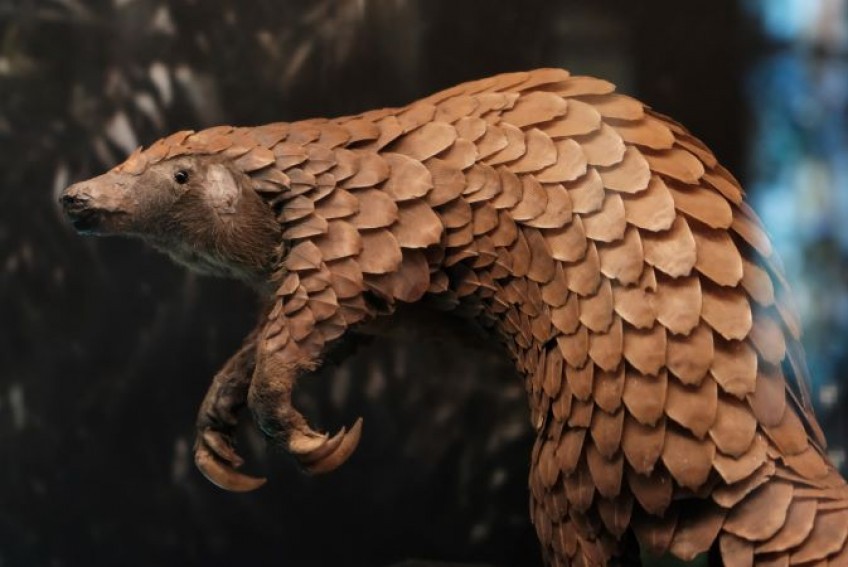
Most visitors who walk into Panchakanya forest have no idea what's living under their feet. This isn't a national park with rangers and entry gates; it's a small, community-managed patch of woodland squeezed between Dharan's houses and the Sewti River, the kind of place locals use for morning walks and weekend picnics. But in January 2025, researchers running camera traps here recorded the first confirmed sighting of a Chinese pangolin in Sunsari district, adding the district to the 28 in Nepal where the species has now been documented. The forest sits on Vijayapur Hill in the Siwalik foothills, at elevations between 460 and 650 metres, bordered by dense urban settlement to the north, west and south, and by the river to the east.
The forest's terrain is fragmented but still holds pockets of genuine cover. It's dominated by sal trees, mixed with chilaune, siris, bel, pipal, khirro, simal and bar. The soil in parts of the forest stays soft and moist, which supports the ant and termite colonies pangolins depend on for food researchers found nearly 30 burrows scattered through these areas, suggesting more than one animal may live here, though only a single male has been confirmed so far. Camera traps also picked up large Indian civets, crab-eating mongooses, common palm civets and golden jackals, so there's more wildlife moving through than the pangolin alone.
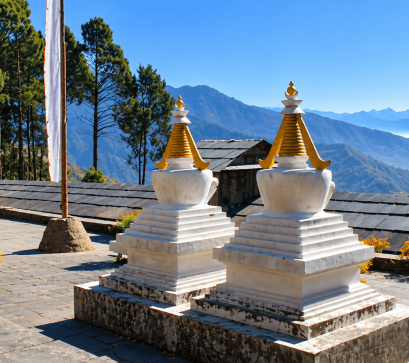
What protects this forest isn't fencing it's belief. The Panchakanya Temple inside the forest is a Hindu pilgrimage site tied to the five divine maidens of Hindu mythology, and it draws steady foot traffic from Dharan and beyond. The forest also matters to the Kirat community, who gather here for Udhauli and Ubhauli, the seasonal festivals marking the movement between lowland and highland farming, performing the Sakela dance to give thanks for the harvest and ask for protection. A local community forest user group sets rules on grazing, fuelwood collection and harvesting, which has kept the core forest intact even as the city grows around it.
There's no permit system and no restricted access. Panchakanya is treated as a public park, not a protected reserve, so both Nepali and international visitors can walk in freely. The Panchakanya Natural Park section has picnic tables and open ground for casual visits, and the site is reachable by a short drive or a hike up the Panchakanya Path from central Dharan. Don't expect to see the pangolin itself; it's nocturnal, burrow-dwelling and deliberately elusive, and digging or disturbing burrows is discouraged to protect it. Go for the temple, the walking trails and the view over the Siwalik foothills, and bring water and decent footwear for the uphill approach; the wildlife here mostly stays out of sight, and that's exactly how it survives.