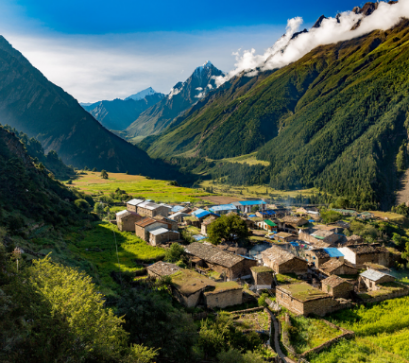
Nepal is a destination of remarkable diversity, where dramatic landscapes and rich cultural traditions create compelling travel experiences in every season. Stretching from the towering Himalayas to the subtropical plains of the Terai, the country’s varied geography ensures that there is always something worthwhile to explore, regardless of the time of year.
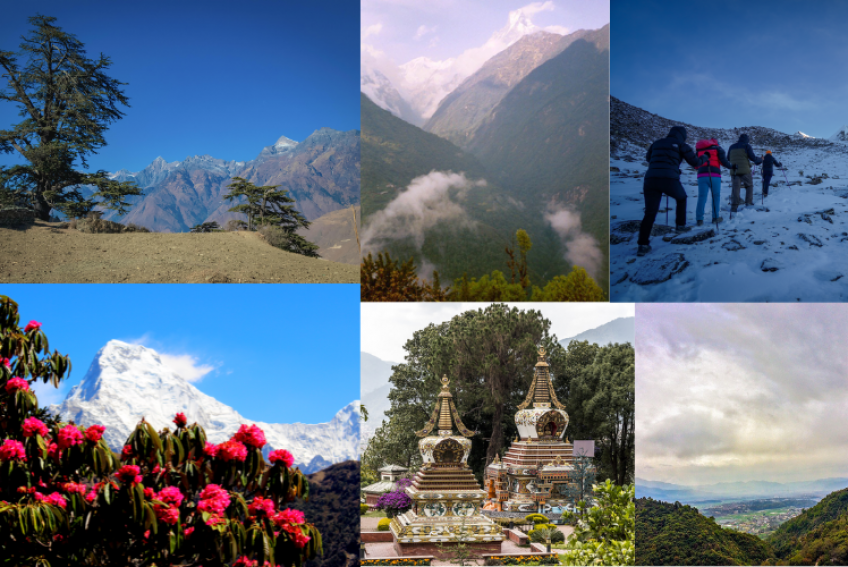
Spring is one of the most popular times to visit Nepal. The weather is generally warm and pleasant, particularly in the hills, where forests burst into colour with blooming rhododendrons. Trekking routes such as Everest Base Camp and Annapurna Circuit are especially appealing during this season.
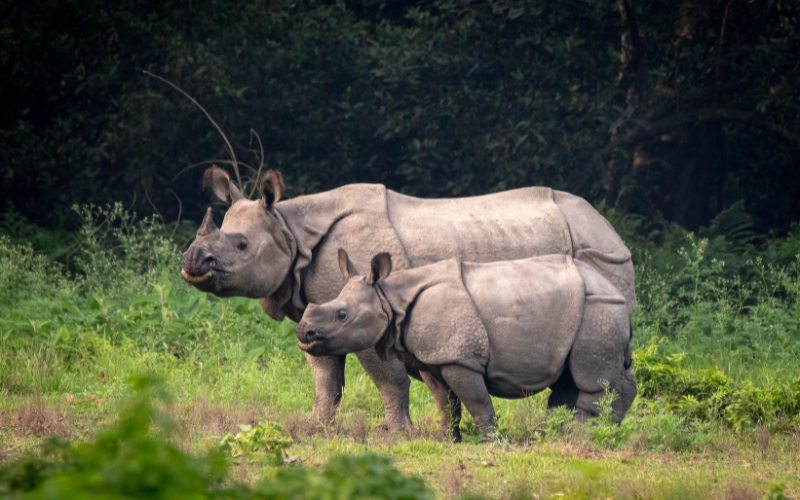
While conditions are favourable, visibility can occasionally be hazy, particularly at lower elevations. For wildlife enthusiasts, late winter into early spring is a good time to visit Chitwan National Park, when shorter grass improves the chances of spotting animals.
The monsoon season transforms Nepal into a vivid green landscape, with full rivers, cascading waterfalls, and thriving farmland. This is the least crowded time to travel, offering a quieter experience and often lower costs.
However, travellers should be prepared for heavy rainfall, which can cause landslides, transport delays, and limited mountain views. Notably, regions such as Upper Mustang and Dolpo lie in rain-shadow areas and remain relatively dry, though access can still be affected by weather and requires careful planning.
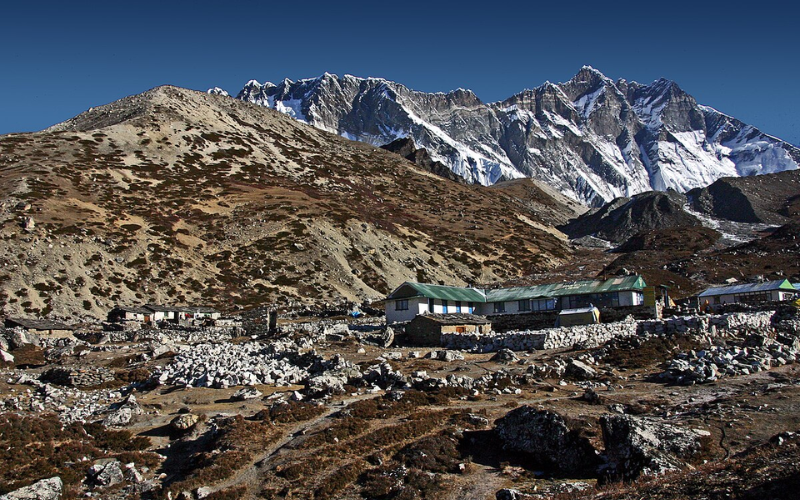
Autumn is widely regarded as the best season to visit Nepal. Following the monsoon, the air is fresh and visibility is excellent, offering some of the clearest views of the Himalayas. This makes it ideal for trekking, mountain flights, and outdoor pursuits.
It is also the season of Nepal’s most important festivals, including Dashain and Tihar, providing visitors with a unique opportunity to experience local traditions, family gatherings, and vibrant celebrations.
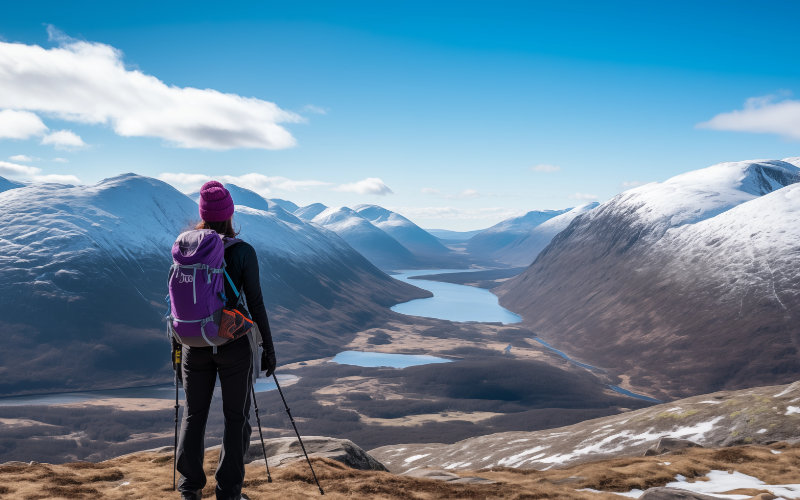
Winter in Nepal is quieter and less crowded, offering a more peaceful travel experience. Days are often clear, with excellent mountain views, particularly in the mornings. Cities such as Kathmandu and Pokhara enjoy cool but generally pleasant daytime temperatures, although mornings and nights can be quite cold, and indoor heating is not always available.
High-altitude trekking becomes more challenging due to snow and freezing conditions, though some routes remain accessible for well-prepared and experienced trekkers. Lower-altitude hikes and cultural tours are especially suitable during this season.
Beyond trekking, Nepal offers a wide range of experiences throughout the year. Visitors can explore ancient temples and monasteries, enjoy wildlife safaris, or take part in adventure activities such as paragliding and rafting. The country’s cultural richness, combined with its natural beauty and warm hospitality, makes it an appealing destination in any season.
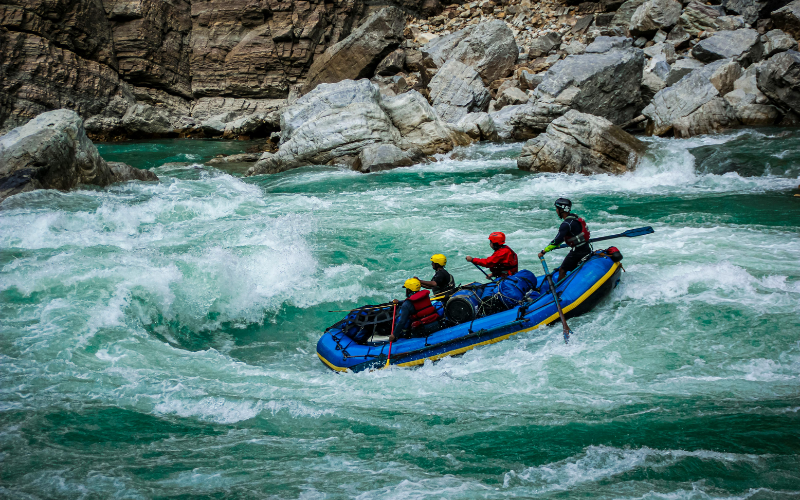
Nepal’s unique combination of landscapes, climates, and traditions ensures that it remains a compelling destination all year round. Each season offers a different perspective, allowing travellers to tailor their experience according to their interests, whether that be adventure, culture, or tranquillity.
PC: Wikimedia Commons - Wikimedia.org
Also Read