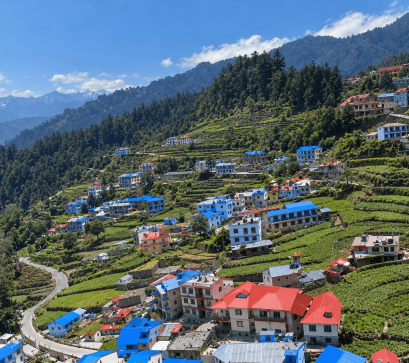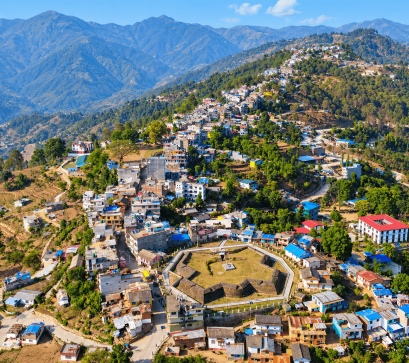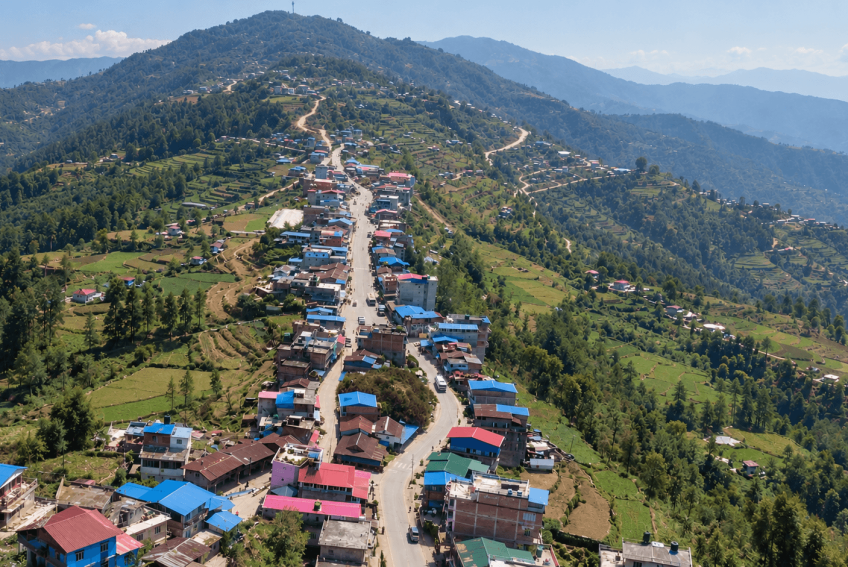
Nestled in the scenic hills of Sankhuwasabha District in Koshi Province, Chainpur Bazaar is a historic settlement where Nepal's cultural heritage continues to thrive.
Once a bustling trading centre connecting the eastern hills with the southern plains, this charming town is now a peaceful destination known for its traditional architecture, skilled artisans and rich history.
Situated approximately 1,250–1,300 metres above sea level, Chainpur offers visitors an opportunity to explore a lesser-known side of Nepal, where every narrow street and traditional workshop carries a story of the past.
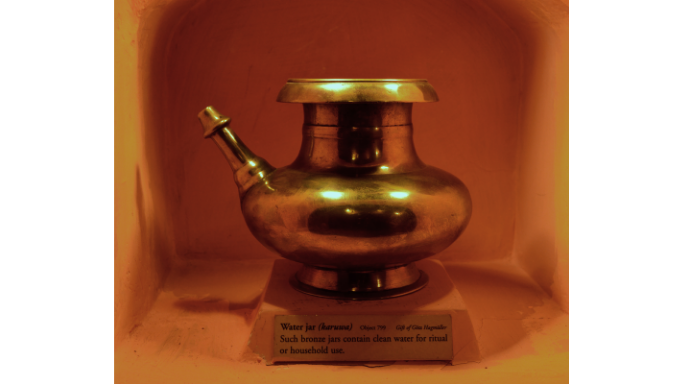
Chainpur's greatest cultural treasure is its centuries-old tradition of metal craftsmanship, particularly the production of the famous Chainpure Karuwa.
These beautifully crafted water vessels, traditionally made from brass and other metals, feature distinctive rounded bodies, narrow necks and elegant pouring spouts. Beyond their practical purpose, karuwas hold cultural significance in Nepali households, religious ceremonies and traditional hospitality.
Local artisans use techniques such as hammering, shaping, engraving and polishing to create these remarkable pieces. For visitors, exploring the town's metalware shops offers a glimpse into the craftsmanship that has helped define Chainpur's identity for generations.
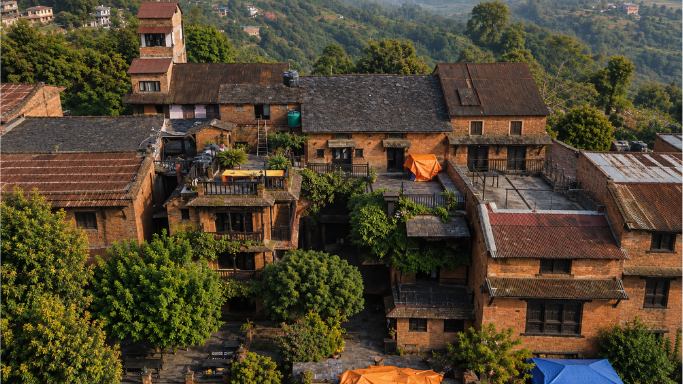
Chainpur's old bazaar reflects its prosperous trading past. Traditional Newar-style houses, wooden windows, tiled roofs and narrow streets preserve the atmosphere of a historic Himalayan market settlement.
The town once served as the district headquarters of Sankhuwasabha before the administrative centre shifted to Khandbari in 1967. Changing trade routes, migration and modern commercial development gradually reduced its former importance.
Yet the old bazaar remains a fascinating reminder of the region's trading history.
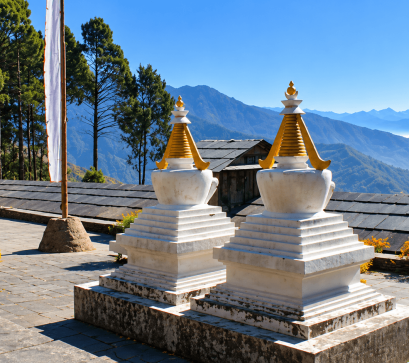
Beyond its craftsmanship, Chainpur offers a beautiful blend of cultural and natural attractions. Siddhakali Temple holds religious importance for the local community, while the town's Newar heritage continues to influence its traditions and festivals.
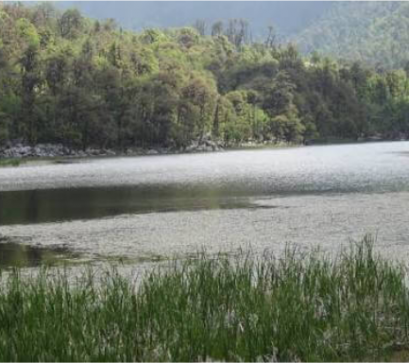
Surrounded by terraced fields, green hills and rural settlements, Chainpur also rewards travellers with picturesque landscapes. On clear days, suitable viewpoints offer glimpses of distant Himalayan scenery.
Autumn (October–November) and spring (March–April) are particularly pleasant seasons to explore Chainpur. Travellers can reach the town by road through Khandbari or Tumlingtar, with flights from Kathmandu to Tumlingtar offering another travel option.
A leisurely walk through the old bazaar, a visit to local metalware shops and time spent exploring nearby villages can make for a memorable cultural experience.
Chainpur Bazaar may no longer be the thriving commercial centre it once was, but its enduring craftsmanship, architectural heritage and peaceful surroundings make it one of eastern Nepal's fascinating hidden treasures.
For travellers seeking authentic culture beyond the usual tourist trails, Chainpur is a destination where Nepal's history is still very much alive.