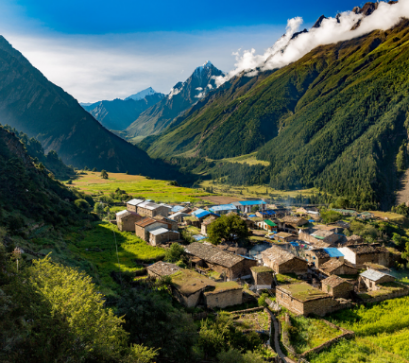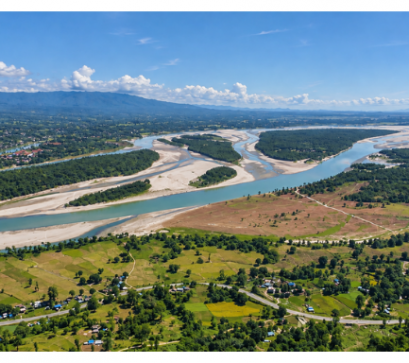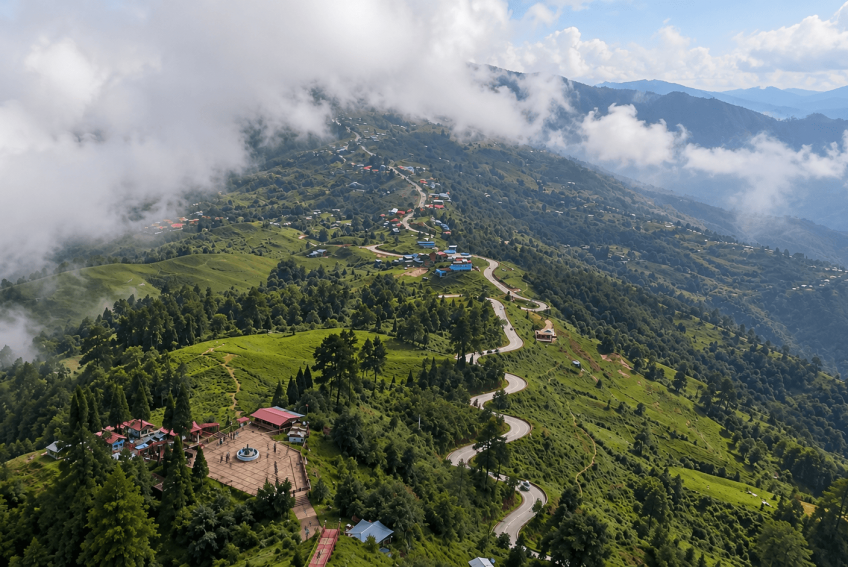
Perched on a ridge at about 1,948 metres, Hile is a small market town in Dhankuta district, thirteen kilometres north of Dhankuta Bazaar along the Koshi Highway. It is not a place of grand monuments. Its appeal lies in cool air, steep green hillsides and an unhurried rhythm that feels increasingly rare.
Come before dawn and you will find Hile already stirring. Shopkeepers pull up their shutters at five in the morning, a long-standing habit. Villagers from distant districts such as Bhojpur, Tehrathum and Sankhuwasabha arrive to buy supplies, then walk home, so an early start serves everyone. The shops are tidy and well stocked, and the bazaar has long been shaped by a community of Tibetan traders who run many of the hotels and restaurants.
Food here is simple and satisfying. Hile is best known for tongba, the fermented millet drink served warm in a wooden vessel and sipped through a bamboo pipe. Hot water is poured over the millet, and as you drink, fermentation continues, so each refill tastes freshly brewed. A large tongba statue marks the main bazaar street, a fitting landmark. Pair it with steaming momos or sukuti, and you have the town’s signature meal.
Climb to the Hile View Tower for panoramas over rolling ridges and, on clear days, glimpses of Kanchenjunga and Makalu. Tea lovers can visit nearby high-elevation estates such as Jun Chiyabari.
Hikers have plenty to choose from: the walk down to the Pakhribas Agricultural Centre takes about 45 minutes, though the climb back is a different story. Longer treks lead toward Basantapur and the rhododendron-covered Tinjure–Milke–Jaljale ridge.
One writer who visited called Hile a miniature Darjeeling from before the crowds arrived. Even in June, locals wear woollen pullovers, and the damp, clean air keeps the small houses looking freshly painted.
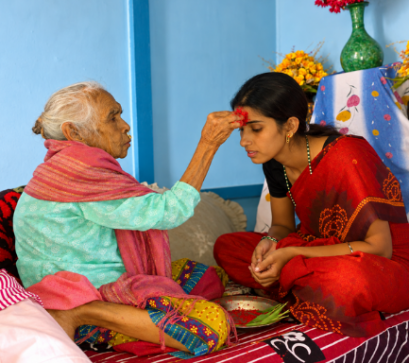
Spring (March to May) brings mild temperatures and blooming rhododendrons. Autumn (September to November) offers clear skies and big mountain views, and it coincides with Dashain and Tihar, when festivals add cultural colour.
Hile sits roughly 65 km north of Dharan, and regular buses and jeeps run from Dharan, Dhankuta and Basantapur. From Kathmandu, expect a road journey of 11 to 13 hours. Many travellers instead fly to Biratnagar, the nearest major airport, and continue by road. Reports on the Biratnagar leg vary, from about three to seven hours, so allow generous time and check locally.
Hile is a junction town, a place where trails, highways and trading routes meet. Yet it remains pleasantly slow, with warm hospitality, good food and cool mist on the hills. As one visitor put it, the momos and tongba taste even better after a hard walk up from Pakhribas. For anyone seeking a gentle introduction to Nepal’s eastern hills, Hile is well worth the journey.