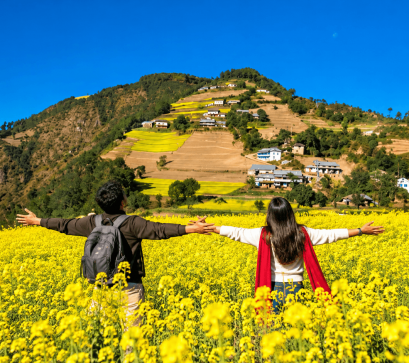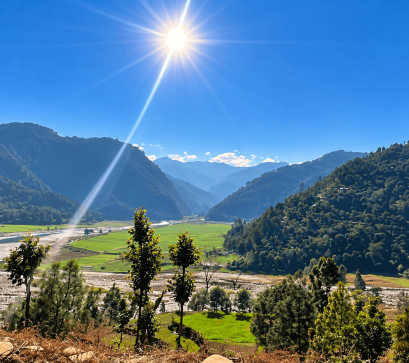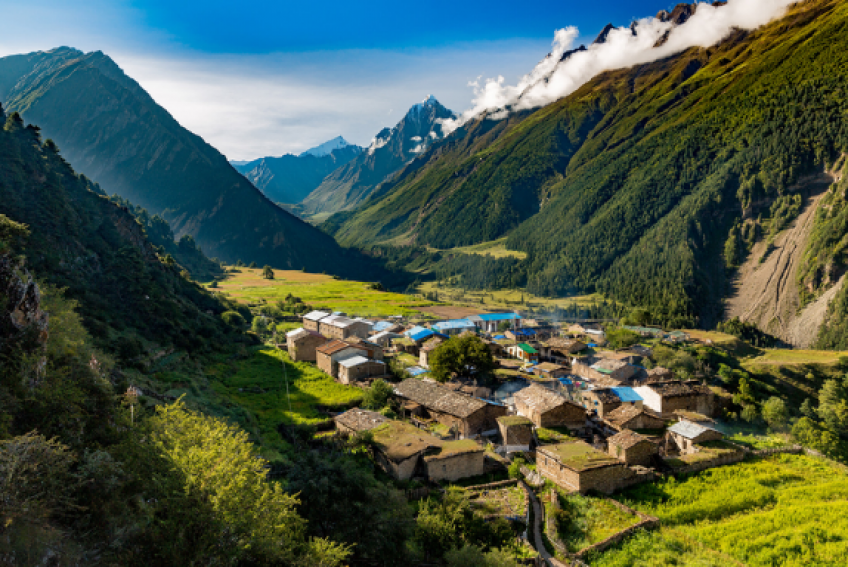
Far beyond the busy cities and popular trekking trails of Nepal lies Byans Valley, a remote Himalayan destination where towering snow-covered mountains, ancient traditions, and breathtaking landscapes come together. Located in Darchula District of Sudurpashchim Province, this hidden valley offers a rare glimpse into the untouched beauty and cultural heritage of Nepal’s far-western Himalayas.
Situated in Ward No. 1 of Byans Rural Municipality, Byans Valley stretches across a rugged landscape surrounded by some of Nepal’s most spectacular mountains. The area covers approximately 565.32 square kilometres and includes the historic settlements of Chhangru and Tinkar.
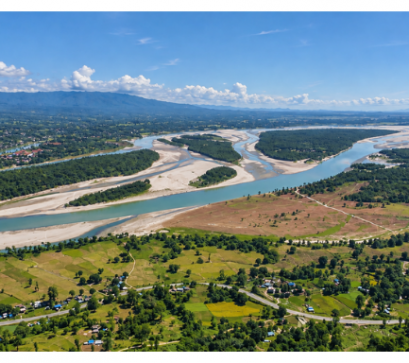
The valley lies near Mount Api (7,132 metres), Mount Nampa (6,755 metres), and the magnificent Himalayan ranges bordering Nepal, India, and China. Flowing through the region, the Tinkar River eventually meets the Mahakali River near Chhangru, creating a dramatic landscape of deep valleys, rocky cliffs, and alpine terrain.
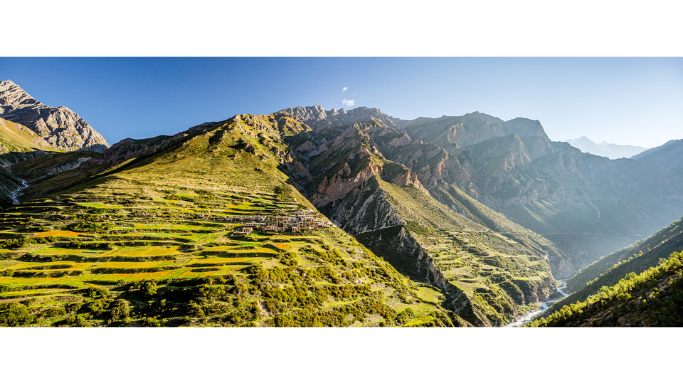
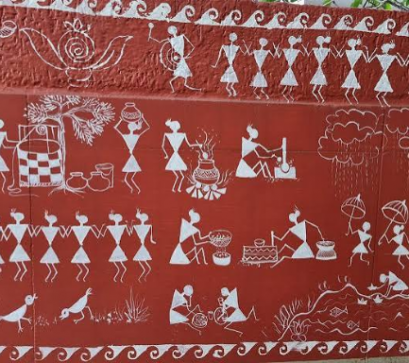
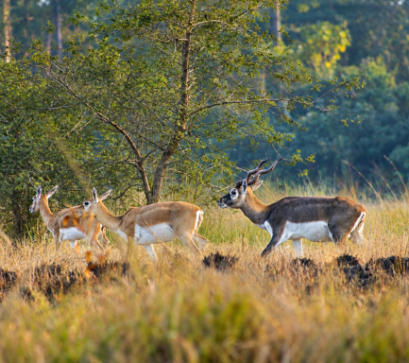
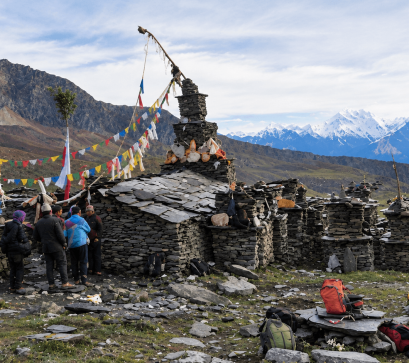
Both Image Credit : AITWAL PHOTOGRAPHY
At approximately 3,200 metres above sea level, Chhangru is one of the valley’s most significant settlements. Along with Tinkar, it preserves the traditional lifestyle of the Byansi people, also known as Rang.
The community speaks the Byansi language and maintains distinctive customs, cultural practices, and a deep connection with the Himalayan environment.
One of their most remarkable traditions is seasonal migration, known as transhumance. Families traditionally spend warmer months in high-altitude villages before moving to lower settlements during the harsh winter.
Standing at approximately 5,258 metres, Tinkar Pass is among the valley’s most fascinating geographical landmarks.
For centuries, this mountain corridor connected Himalayan communities with Tibet, supporting trade and cultural exchanges. It also lies along a historical route associated with journeys toward Kailash Mansarovar.
Today, the pass remains geographically and historically significant, although its extreme altitude, difficult terrain, and restricted border conditions make access challenging.
Byans Valley holds a unique place in Himalayan history. Following the Treaty of Sugauli in 1816, the historic Byans region was divided between Nepal and British-controlled territory.
Despite the political boundary, the Byansi communities maintained strong cultural, economic, and family connections across the Mahakali River.
The valley's declining permanent population also reflects its changing settlement patterns. Census figures show a decrease from 723 residents in 1991 to just 237 in 2021.
Unlike Nepal’s established trekking destinations, Byans Valley remains largely unexplored by mainstream tourism. Its remote villages, dramatic mountain scenery, traditional Himalayan culture, and historical significance make it an extraordinary destination.
Reaching the valley requires careful planning because of challenging access, high altitude, and possible travel restrictions.
For travellers seeking an authentic connection with Nepal’s Himalayan heritage, Byans Valley represents a remarkable world where nature, history, and centuries-old traditions continue to coexist.