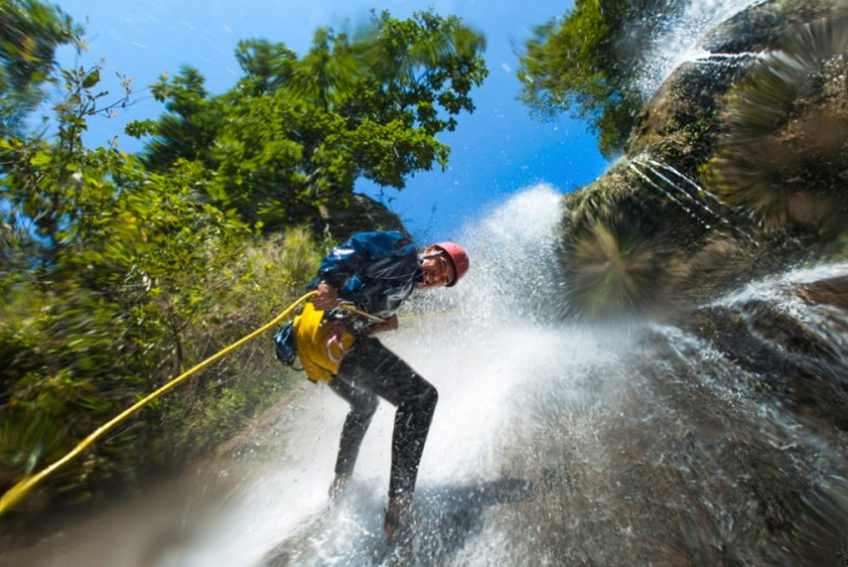
Tucked along the dramatic folds of the Trishuli River valley, between Kathmandu and Chitwan, Jalbire Canyon stands out as one of Nepal’s most exhilarating yet understated adventure destinations. Often described as a natural water playground, it is a landscape shaped by cascading waterfalls, sculpted rock walls, and emerald pools designed as much for thrill as for visual wonder.
For travellers seeking more than passive scenery, Jalbire offers something rarer: full immersion into water, movement, and terrain.
Location & Accessibility
Jalbire Canyon lies in central Nepal along the Kathmandu–Narayanghat highway corridor. The journey typically involves a 3-4 hour drive from Kathmandu, depending on traffic and road conditions, followed by a short detour from Mugling towards Jalbire in Chitwan district.
Its strategic location makes it an ideal stopover for travellers heading towards Chitwan National Park or Pokhara, easily integrating into broader travel itineraries.
The Landscape: A Canyon Shaped by Water
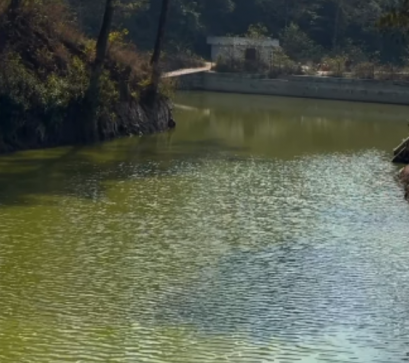
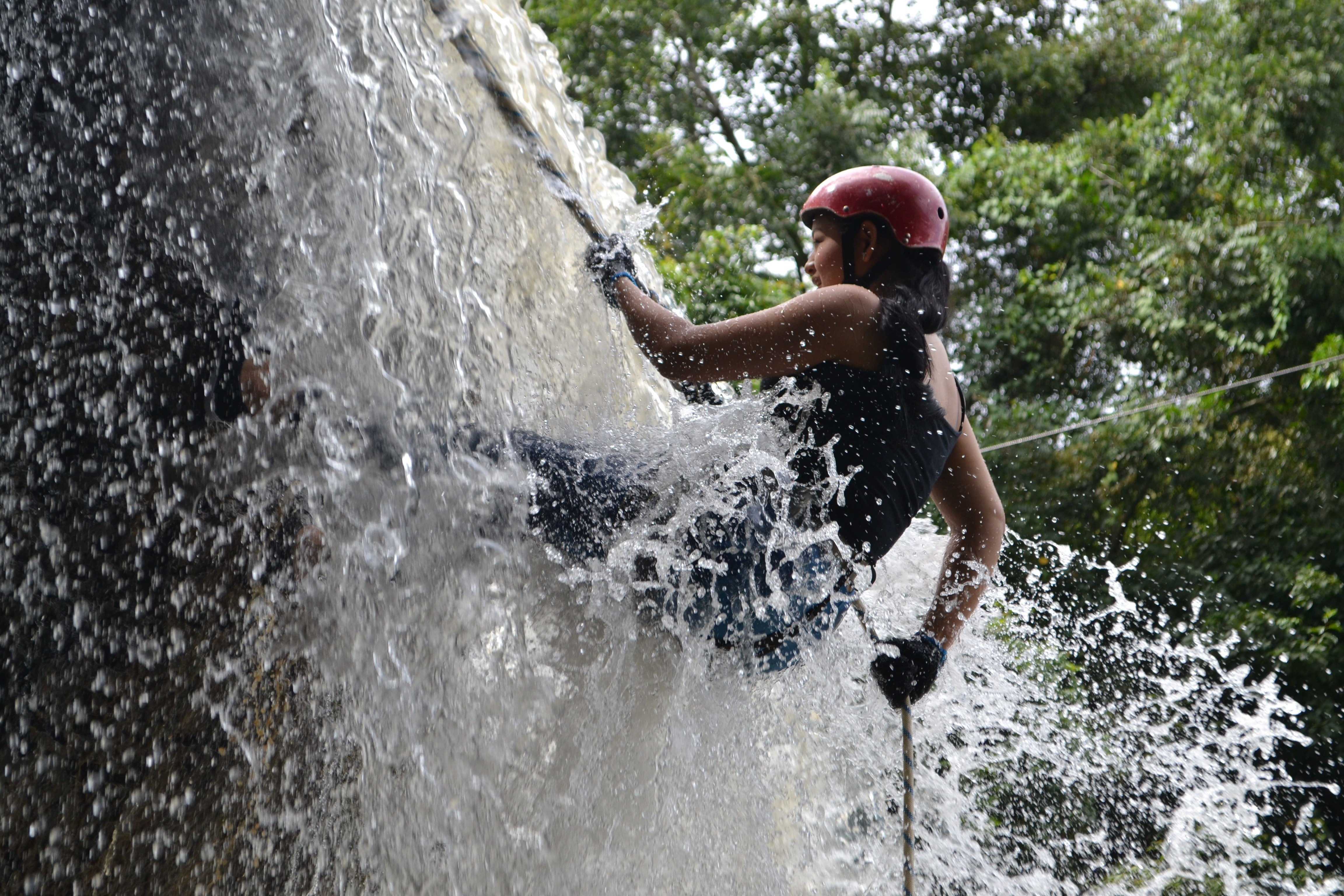
The terrain of Jalbire is defined by steep rock faces, narrow gorges, and a sequence of waterfalls that cascade into deep, clear pools. Formed through seasonal runoff and erosion within the Trishuli river basin, the canyon continues to evolve with each monsoon cycle.
Dense vegetation frames the cliffs, while the constant echo of falling water creates a rhythmic, immersive environment. At its core lies a series of waterfalls, with abseiling sections reaching up to 25-30 metres, feeding into interconnected natural pools below.
Canyoning in Jalbire: The Core Experience
Canyoning is the defining activity here, a technical adventure sport that combines rope work and water navigation through a natural gorge.
A typical experience includes:
Each section unfolds with a different tempo, some controlled and methodical, others fast-paced and adrenaline-driven. Routes are structured to accommodate both beginners and experienced participants.
Most canyoning sessions last 3-4 hours, usually beginning with a short forest hike to the canyon’s upper entry point. Jalbire is also widely regarded as one of Nepal’s most established commercial canyoning sites, frequently used for introductory experiences due to its manageable flow and well-defined route structure.
Why Jalbire Stands Out
1. A Complete Adventure in a Single Day
Unlike remote Himalayan expeditions, Jalbire delivers a full-spectrum experience—travel, hike, and high-adrenaline activity—within a single day.
2. A Natural Water Playground
With multiple cascades, plunge pools, and rock slides, the canyon functions as an organic adventure course shaped entirely by nature.
3. Seasonal Adaptability
Canyoning operates across most of the year, with routes adjusted based on water levels. However, peak monsoon conditions may temporarily limit activity for safety reasons.
4. Compact Yet Diverse Landscape
Within a relatively small area, Jalbire offers a layered environment of forest, rock, and water—delivering high experiential density without long travel commitments.
Best Time to Visit
The ideal season for canyoning in Jalbire is September to June, when water levels are more controlled and visibility is clear.
During peak monsoon (July-August), increased water volume can elevate both thrill and risk, and operations may be restricted.
Who Is It For?
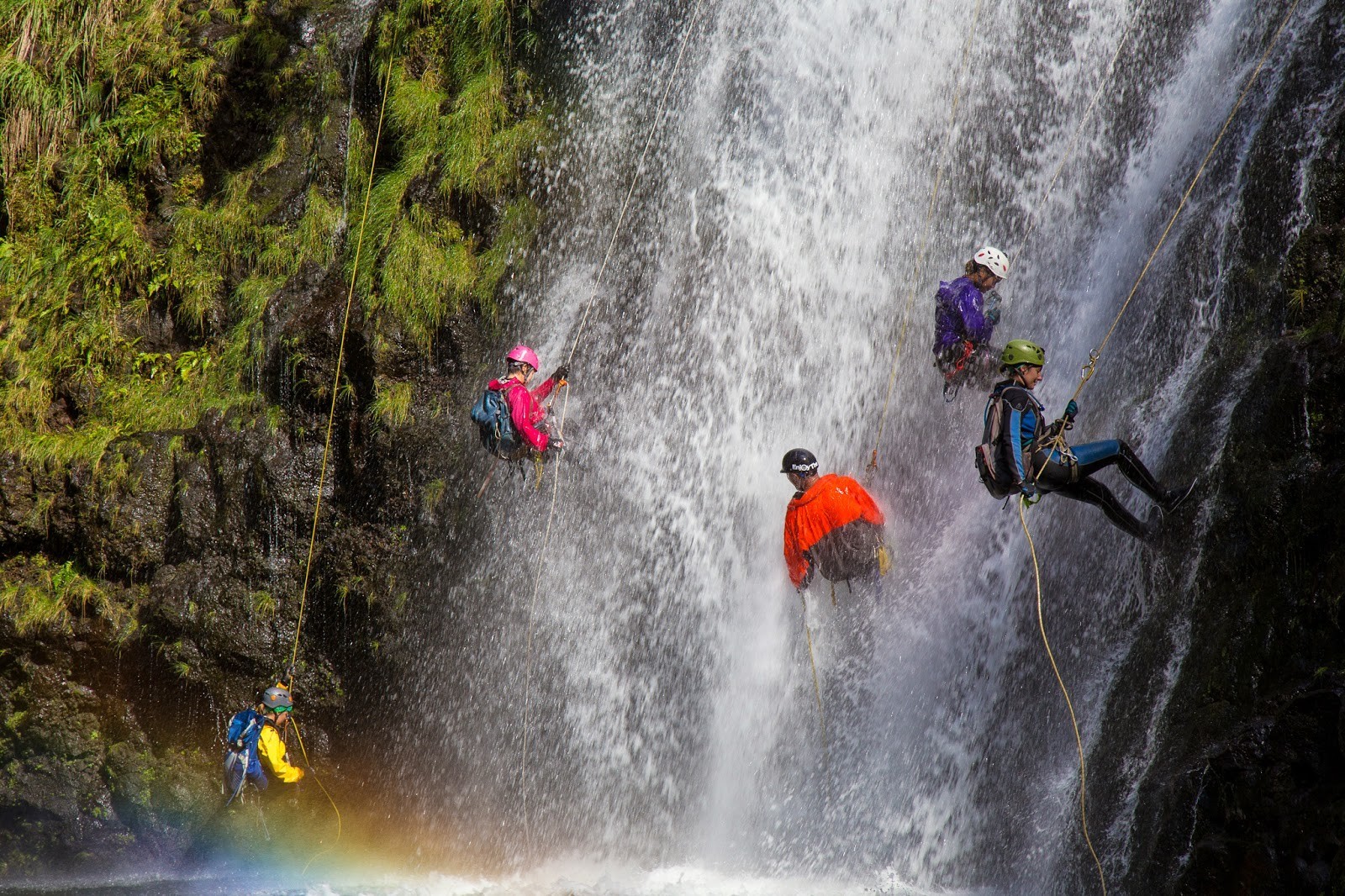
Jalbire caters to a wide spectrum of travellers:
Professional guides provide safety briefings, technical equipment, and route supervision, making the activity accessible even to novices.
Travel Tips
Beyond Adventure: Nepal’s Shift Towards Experiential Travel
Jalbire Canyon reflects a broader evolution in Nepal’s tourism landscape—one that increasingly values experiential, activity-based travel over passive sightseeing. As travellers look beyond traditional trekking routes, destinations like Jalbire offer a compelling alternative: accessible, intense, and deeply engaging.
A Canyon in Motion
Jalbire is not a place to simply observe—it is a place to participate. Here, water does not rest; it moves, crashes, and reshapes everything in its path. In doing so, it invites travellers to step into that motion.
For those willing to move beyond the expected, Jalbire offers something rare in travel: not just a view, but an experience that is felt—immediate, physical, and unforgettable.
Also Read