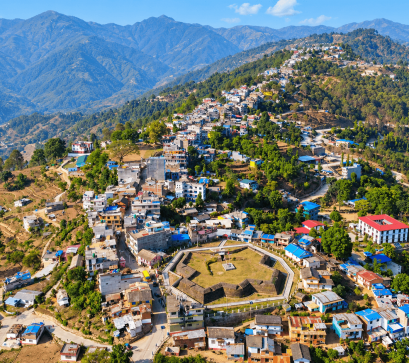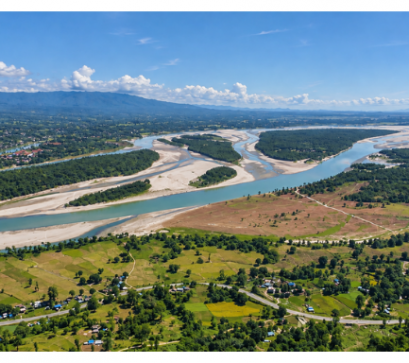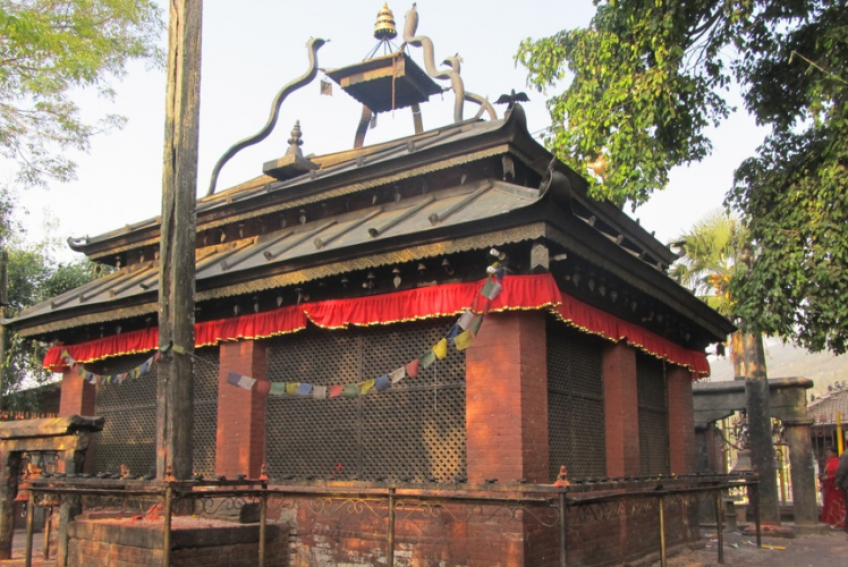
Located in Bhimeshwar Municipality of Dolakha District, Dolakha Bhimsen Temple is one of Nepal’s most spiritually significant heritage sites. Unlike ornate Hindu shrines, its importance lies in belief; particularly the long-held tradition that the deity is said to “sweat”, a phenomenon interpreted as a symbolic warning during times of national uncertainty.
For cultural travellers, the temple offers rare insight into Nepal’s living religious traditions, where history, symbolism and faith continue to coexist.
A Deity Rooted in Local Tradition
In Hindu epics, Bhimsen is known as Bhima, the second Pandava of the Mahabharata. In Nepal, however, Bhimsen developed a distinct identity shaped by Newar religious culture.
Historically, Dolakha sat along important trans-Himalayan trade routes linking the Kathmandu Valley with Tibet. As commerce flourished, Bhimsen became revered as a protector of trade, prosperity and justice, worshipped especially by merchants before journeys and major transactions.
This strong connection to livelihood and risk placed Bhimsen close to everyday human concerns rather than distant mythology.
A Roofless Shrine and Uncarved Stone
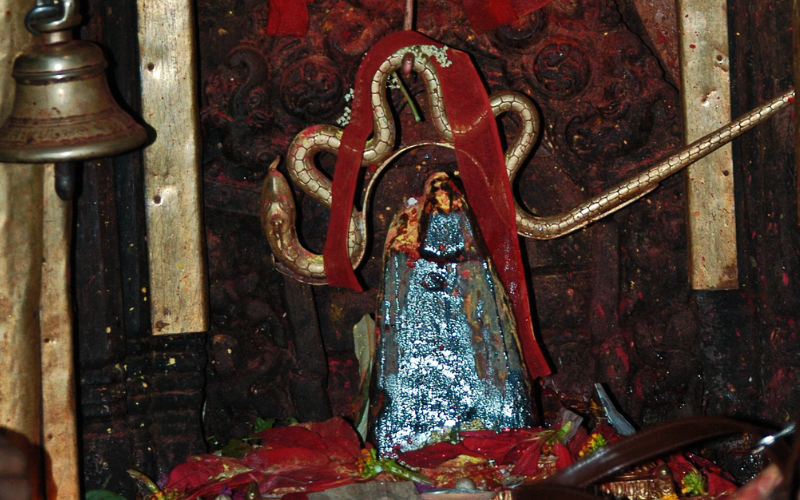
At the centre of the temple rests a triangular, uncarved stone, locally known as Bhindyo. Such aniconic deities are characteristic of ancient Himalayan belief systems, symbolising divine energy rather than physical form.
The sanctum above the stone remains roofless, exposing the deity directly to sun, rain and wind. Locally, this openness symbolises a god who exists under the same natural forces as the people - present, accessible and responsive.
The Belief in the Sweating Deity
The temple is best known for the belief that moisture sometimes appears on the stone surface, described by devotees as “sweating”.
Importantly, this is understood as a cultural belief rather than a scientific claim. According to oral tradition, such occurrences have been associated with periods of national upheaval, including earthquakes, political change and major social instability.
Within local interpretation, the sweating does not represent divine anger or prophecy, but symbolic unease: a sign that the deity shares concern for the land and its people.
Symbolism Over Spectacle
In Nepali culture, sweat represents labour, endurance and responsibility. A sweating deity is therefore seen not as suffering, but as bearing collective burden.
When such events are reported, priests follow traditional rituals quietly, without public display. This restraint has helped preserve the temple’s spiritual authority and prevented belief from becoming spectacle.
Dolakha Bhimsen Temple remains relevant not because the belief can be proven, but because of what it represents. The shrine reflects a deeply Nepali understanding of faith, one that acknowledges uncertainty rather than denying it, and seeks meaning rather than certainty.
For visitors, Dolakha Bhimsen offers more than legend. It presents a living expression of heritage where belief, memory and place continue to shape spiritual life in Nepal.
PC: Wikimedia Commons
Also Read