

 Source::APN
HALLE, Belgium
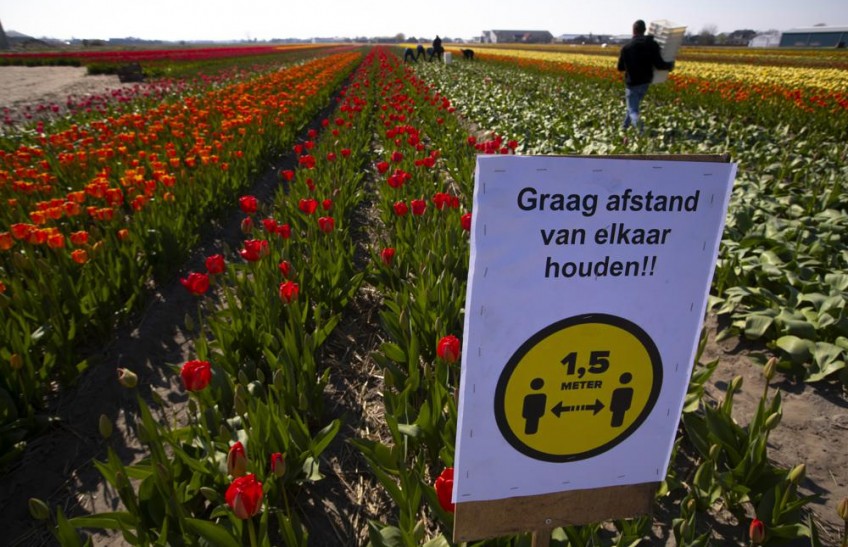
There is no stopping flowers when they bloom, blossoms when they burst. Unfortunately, people have been stopped from enjoying them these days. In pandemic times, when so much goes against the grain, some beauties of nature are no longer embraced but kept at bay.
From Japan’s cherry blossom trees, to the endless Keukenhof tulip fields in the Netherlands, to the riot of purple bluebells in the Hallerbos south of Brussels, everything looks its best this spring when conditions are at its worst. “The flowers are there. Nature refuses to be stopped by anyone,” said Halle mayor Marc Snoeck, who for the second year in a row needs to keep people away from the municipality’s famed woods instead of inviting them in.
Across the world, authorities are seeking to stave off a new surge of COVID-19 infections to contain a death toll which already exceeds 3 million. Crowds are anathema to health. Yet at the same time, the soothing glories of nature are said to be an ideal balm against the psychological burdens of loneliness, disorientation and fear that the pandemic has wrought.
When those two concepts clash however, caution beats joy by a long stretch these days. “The weather is great and there is beauty to enjoy,” Snoeck said. “But on the other hand we have to watch it. Safety trumps everything. And even though it is good to enjoy this nice time and the beauty of the purple bluebells, we absolutely don’t want anyone to get sick.”
Normally, more than 100,000 visitors spread over three weekends come to gaze at Halle’s fields of purple. Last spring, when Europe was already grappling with the first surge of infections, Snoeck already closed off the woods as much as possible. Since it is an open forest, a full ban is out of the question, so Snoeck has canceled special bus shuttles, and issued parking bans to discourage people from coming.
ALSO READ