

 Source::RSS
RSS
Mobility of tourists and climbers at the Base Camp of Dhaulagiri Peak gradually increased after the government resumed long halted mountain climbing over COVID-19 since August-end.
Most of the tourists and climbers reaching the base camp have arrived there by air. Lately, tourists or climbers have preferred a costlier airway to reach the base camp, thanks to a long journey involving hardship and a lack of security and communications along the trail.
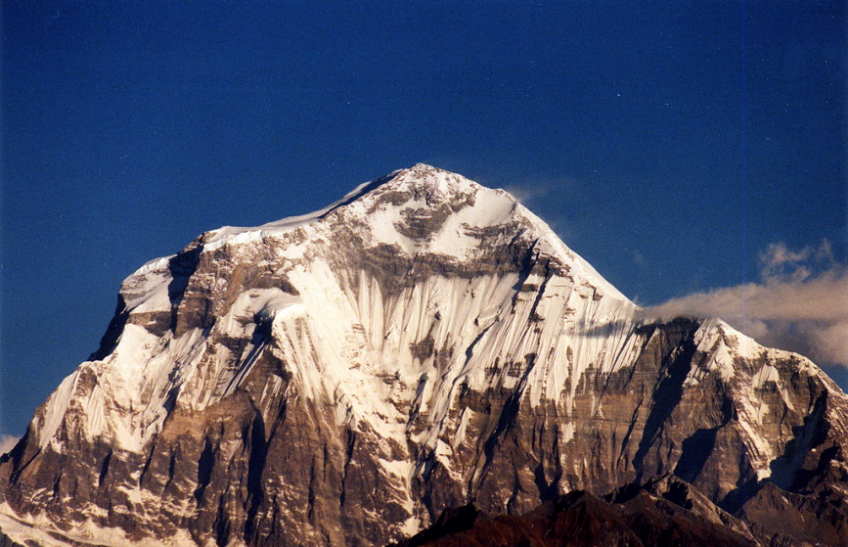
The mountain (8,167 meters) based in the Dhaulagiri mountain range is the seventh-highest peak globally. "Most climbers, guides, porters, and tourists have reached the base camp on helicopters.
Only six Sherpa guides have taken the trail to the camp," said a resident Suk Bahadur Sunar. Around 80 climbers, guides and porters have reached the base camp through helicopters, he said.
As a result, the local economy has been affected. Hotel entrepreneurs and mule transportation services have been marred as they have faced a double whammy of the infection and tourists reaching the base camp preferring airway in many cases.
Local, provincial, and federal governments have jointly constructed accessible trekking routes to address the problems trekkers face.
The Dhaulagiri trekking route is considered adventurous as it cuts through rocky and stark cliffs, dense forests, and rivers.
A team of 46 climbers through Seven Summit Treks have reached the base camp, said the manager of the Treks, Thaneshwor Guragain. He noted that most climbers had preferred airways to the base camp due to some causes like heavy rains and PCR reports produced within 72 hours for trekkers.
ALSO READ