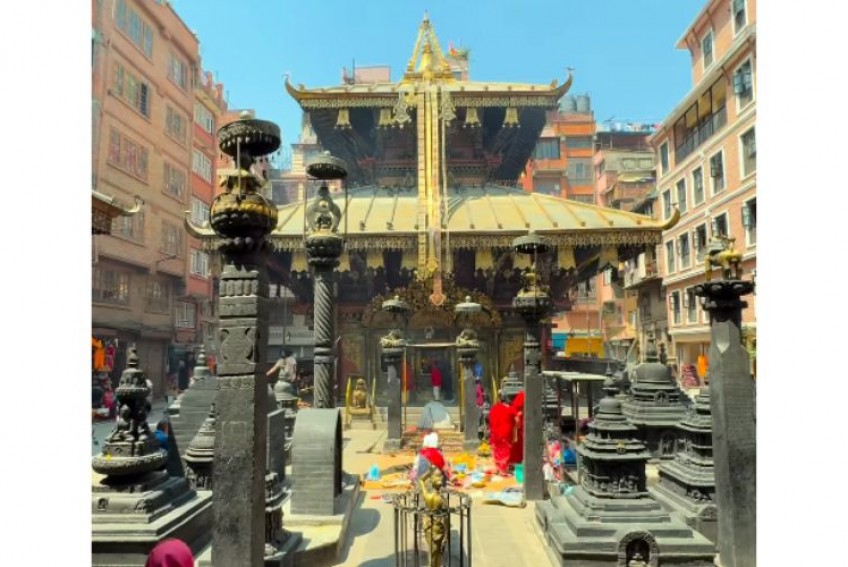
Nestled between the historic marketplaces of Asan and Indra Chowk, the shrine of Seto Machhindranath stands as one of Kathmandu’s most revered sacred spaces where Hindu and Buddhist traditions converge in a continuous and living practice.
More than a site of worship, it represents a shared spiritual identity, deeply embedded in the seasonal and social rhythms of the Kathmandu Valley.
A Shrine Through Time: Origins and Historical Context
The origins of Seto Machhindranath are not precisely dated, but the shrine is widely understood to date back at least to the medieval period, making it one of the Valley’s long-standing centres of devotion.
Located within Jana Bahal, a historic Newar monastic courtyard, the site reflects the traditional urban fabric of Kathmandu, where religious, residential and communal life are closely intertwined.
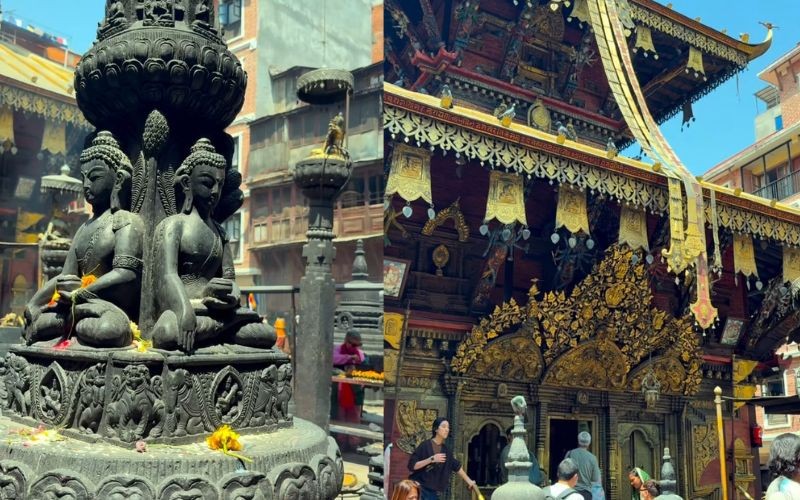
The deity is venerated dually:
This dual identity exemplifies the syncretic spiritual culture for which the Valley is known.
Architecture: Pagoda Form Within a Living Courtyard
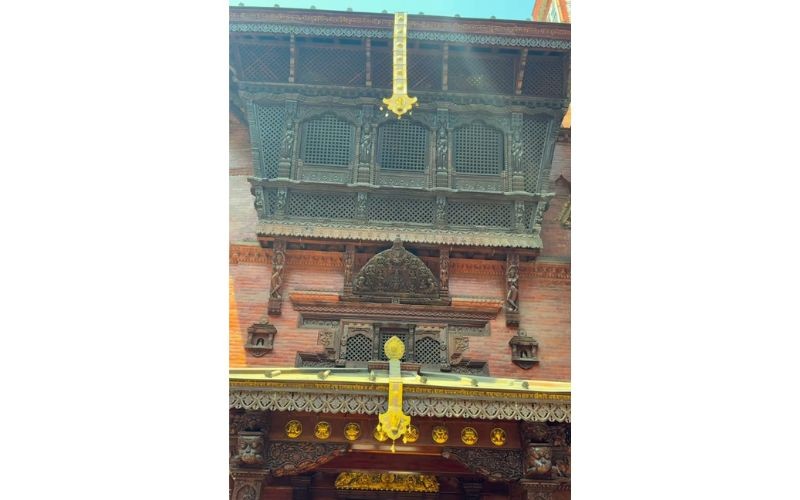
The shrine complex reflects classic Newar craftsmanship, combining brick masonry with intricately carved timber elements.
Its tiered pagoda roof, clad in gilded metal, rises above the dense courtyard, while surrounding chaityas, votive shrines and stone sculptures reinforce its sacred setting.
Importantly, this is not a static monument. The structure continues to evolve through cycles of conservation and restoration, particularly following the impacts of the 2015 earthquake.
Visiting the Shrine: Daily Rhythm and Access
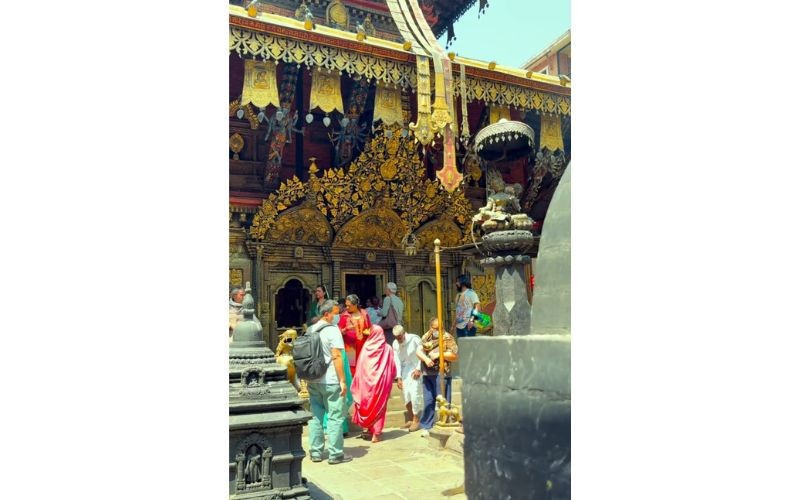
Unlike many formal temples, Seto Machhindranath is part of an open courtyard complex and remains accessible throughout the day.
While photography is generally permitted, respectful conduct is essential within this active religious space.
Seto Machhindranath Jatra: Kathmandu in Motion
The annual Seto Machhindranath Jatra transforms the shrine into the centre of one of Kathmandu’s most dynamic urban festivals.
Held during the lunar month of Chaitra (typically March-April, occasionally extending into April-May), the festival features a towering chariot procession carrying the deity through the city.
Processional Route
The chariot moves through key urban nodes including:
Cultural Significance
This is not merely a procession but a collective act of devotion. Communities gather in large numbers, participating in music, ritual and celebration.
In recent years, the participation of women in pulling the chariot has become increasingly visible and widely welcomed, reflecting gradual social change within a traditional framework.
For devotees, engaging with the chariot is believed to bring blessings, prosperity and protection for the year ahead.
Ritual Life: Cycles of Renewal
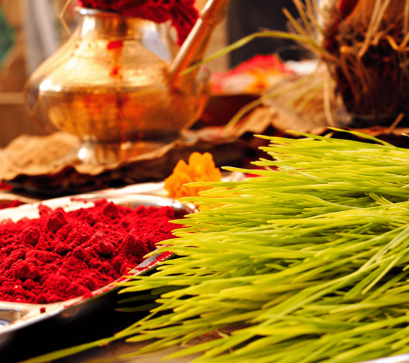
Beyond the annual Jatra, the shrine follows a continuous ritual calendar. One of the most significant observances occurs during the winter month of Poush, when the deity undergoes a ceremonial bathing ritual involving water, milk, honey and ghee.
Such rites symbolise purification and renewal, reinforcing the shrine’s role as a living religious institution rather than a static heritage site.
Seto Machhindranath is not defined solely by its architecture or antiquity, but by its continuity. It remains a space where belief, ritual and community intersect daily.
For travellers, the experience is shaped as much by timing as by place, whether encountered during the vibrant energy of the Jatra or in the quieter moments of morning worship.
In this way, the shrine offers a deeper understanding of Kathmandu itself: a city where history is not preserved in isolation, but lived, practised and continually renewed.
Also Read