

Rising gracefully from the western flanks of the Kali Gandaki Valley in north-central Nepal, Nilgiri is a magnificent mountain group that commands awe and admiration. Part of the greater Annapurna range within the Gandaki Province, Nilgiri—meaning Blue Mountain in Sanskrit—derives its name from the bluish tinge often visible on its snow-covered peaks at dawn and dusk.
The Three Peaks of Nilgiri
Nilgiri is not a single peak but a trio of towering summits:
Nilgiri North – 7,061 metres (23,166 feet)
Nilgiri Central – 6,940 metres (22,769 feet)
Nilgiri South – 6,839 metres (22,438 feet)

Geographic and Cultural Setting
Nilgiri straddles the Mustang and Myagdi districts, nestled within the Annapurna Conservation Area, Nepal’s largest protected region. It lies just north of Jomsom, the administrative centre of Mustang, and is visible from several culturally rich villages including Marpha, Kagbeni, and Muktinath.
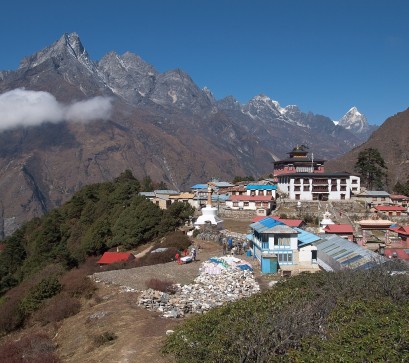
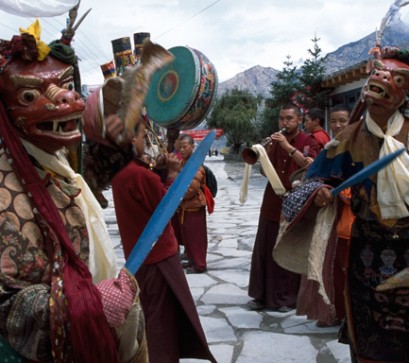
The surrounding region is home to ethnic groups such as the Thakali, Loba, and Magar people, whose traditions are deeply rooted in Tibetan Buddhism and mountain heritage. The area's religious landmarks, prayer flags, chortens, and ancient monasteries reflect a long-standing spiritual connection with the Himalayas.
Trekking and Mountaineering Opportunities
While climbing Nilgiri itself is reserved for experienced mountaineers due to its technical demands, the mountain is a constant companion for trekkers traversing the Annapurna Circuit—one of the world’s most iconic long-distance treks. This circuit passes through lush rhododendron forests, alpine meadows, and stark high-altitude deserts, with Nilgiri’s peaks often visible from high points such as Thorong La Pass (5,416 metres).
The best seasons for trekking and climbing in this region are spring (March–May) and autumn (September–November), when weather conditions are most stable, skies are clear, and mountain views are at their best.
.png)
Conservation and Ecology
Nilgiri lies at the heart of the Annapurna Conservation Area Project (ACAP), spanning over 7,600 square kilometres, ACAP is known for its commitment to preserving both natural ecosystems and cultural heritage.
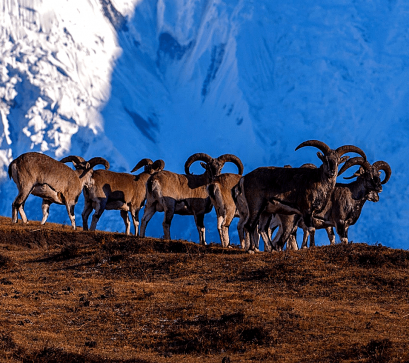
The region is rich in biodiversity, hosting species such as the snow leopard, Himalayan tahr, blue sheep, and a wide range of birdlife. Conservation efforts emphasise community involvement and sustainable tourism practices, ensuring that the fragile Himalayan environment is protected for future generations.
A Symbol of Natural and Cultural Grandeur
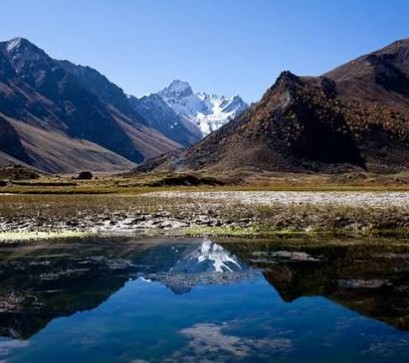
With its dramatic ridgelines, icy flanks, and sweeping views over the Kali Gandaki Valley, Nilgiri is more than just a mountain—it is a symbol of the power and beauty of the Nepal Himalaya. Whether observed from a windswept monastery rooftop or summited by skilled alpinists, Nilgiri remains an enduring beacon for those drawn to nature, adventure, and the ancient cultures of the Himalayas.
PC: Wikimedia Commons
Also Read

.jpg)
.jpg)