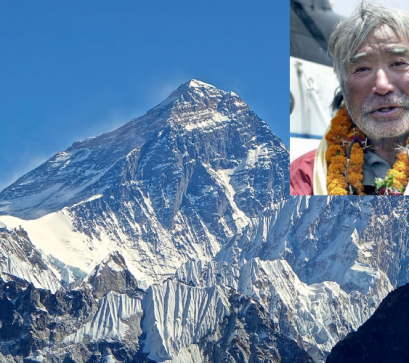
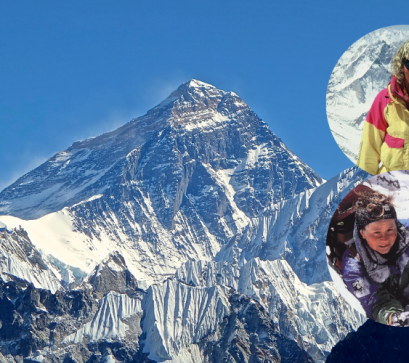
Positioned at the dramatic crossroads of the Himalaya, Mount Baruntse rises elegantly between three of the world’s most formidable peaks: Mount Everest, Lhotse, and Makalu.
Despite its proximity to these iconic summits, Baruntse remains refreshingly uncrowded; an increasingly rare quality in modern Himalayan mountaineering.
Set on the divide between the Khumbu and Makalu-Barun regions, the mountain overlooks the pristine Barun Valley: a remote landscape of glacial rivers, steep ridgelines, and untouched Himalayan wilderness.
Baruntse demands genuine alpine proficiency. It is widely regarded as the ideal progression for climbers transitioning from 6,000-metre summits to full-scale 8,000-metre expeditions.
Key Statistics

Technical Overview
The South-East Ridge offers a balanced yet demanding ascent, combining:
While not among the most technically extreme Himalayan peaks, Baruntse is uncompromising which requires solid rope work, endurance, and high-altitude decision-making.
Most expeditions approach Baruntse via one of Nepal’s most adventurous high-altitude routes, linking Mera Peak with the formidable Amphu Labtsa Pass.
Standard Expedition Flow
Summit Push
The final ridge is both exhilarating and unforgiving that rewards climbers with sweeping panoramas of Everest, Lhotse, and Makalu from a rarely experienced vantage point.
Mount Baruntse distinguishes itself as a strategic training ground for 8,000-metre expeditions such as Mount Everest and Makalu, offering sustained high-altitude exposure, technical ropework, and full expedition logistics within a relatively controlled environment. Set within the remote expanse of Makalu-Barun National Park, it also provides a rare immersion into one of Nepal’s least disturbed alpine ecosystems, where dramatic himalayan landscapes meet rich biodiversity. Its sharply defined, pyramid-like profile further elevates its appeal, making it one of the most aesthetically striking peaks in the country. However, Baruntse remains a serious undertaking, with risks including altitude-related illness above 6,000 metres, crevasse-laden glaciers, avalanche-prone slopes after fresh snowfall, volatile weather patterns, and prolonged exposure on summit day; factors that make prior experience on peaks such as Island Peak or Lobuche East highly advisable.

Best Time to Climb
Baruntse is typically climbed during two main Himalayan seasons:
Spring (April-May)
Autumn (October-November)
Spring remains the optimal season due to improved snow stability and longer weather windows.
Expedition Logistics
Most climbers undertake Baruntse as part of guided expeditions due to its technical demands and logistical complexity. Baruntse is not defined by fame, but by form.
PC: NAMAS Adventure, Wikimedia Commons
Also Read