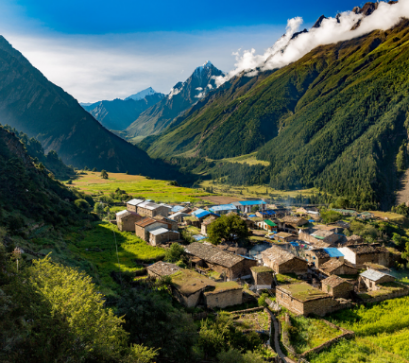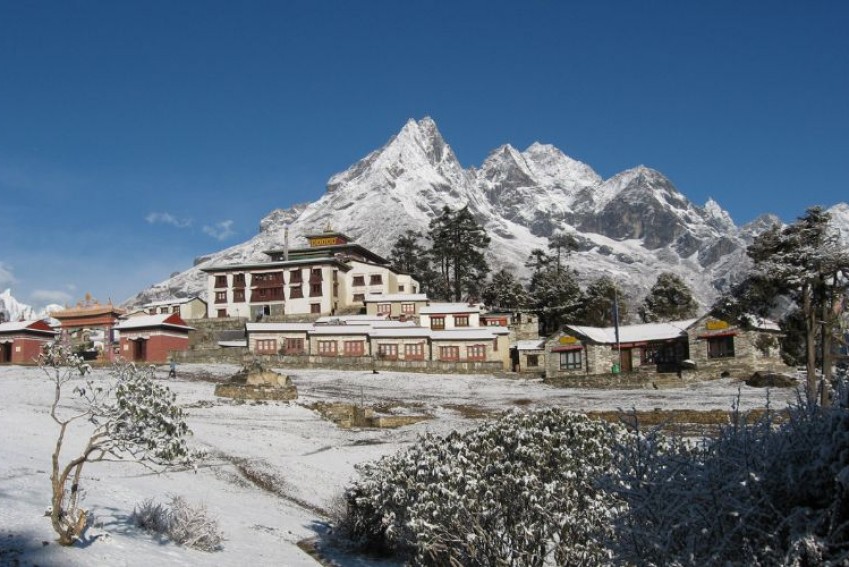
Perched at an altitude of 3,867 metres, Tengboche Monastery stands as one of the most iconic spiritual landmarks in Nepal’s Khumbu region. Surrounded by sweeping Himalayan panoramas, the monastery offers uninterrupted views of Ama Dablam rising dramatically in the foreground, with Mount Everest visible in the distance.
For travellers trekking through the Everest region, Tengboche is more than a scenic stop, it is a place of stillness, reflection, and cultural depth.
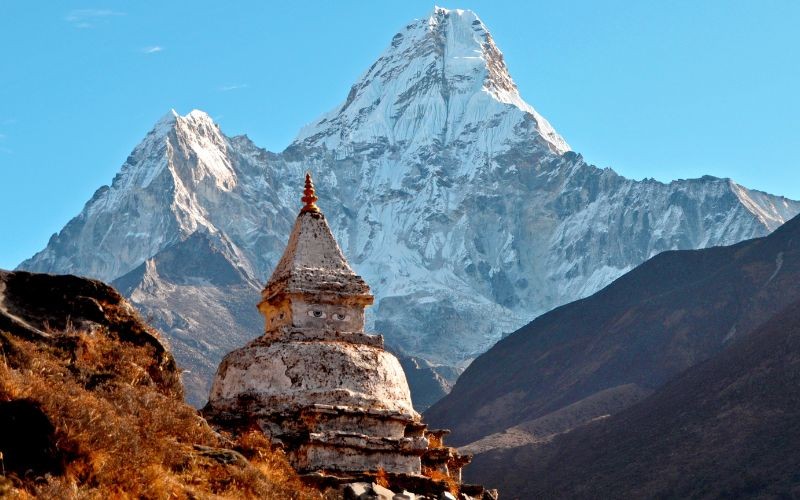
The Spiritual Heart of Sherpa Culture
As the largest monastery in the Khumbu region, Tengboche Monastery holds immense religious and cultural importance for the Sherpa community. Belonging to the Nyingma school of Tibetan Buddhism, it serves as a centre for spiritual practice, learning, and daily rituals.
Originally established in 1916 by Lama Gulu, the monastery continues to guide local traditions and spiritual life. Visitors are often drawn to its peaceful ambience, where the rhythmic chants of monks echo through the mountain air.
Trekking to Tengboche Monastery
Reaching Tengboche Monastery is an integral part of the Himalayan experience. Most travellers begin their journey with a flight to Lukla, followed by a scenic trek through the Sagarmatha region.
The trail passes through the bustling hub of Namche Bazaar, before winding through forests of rhododendron and pine. Suspension bridges adorned with prayer flags and distant snow-capped peaks create a visually rich journey.
While Tengboche is a highlight of the Everest Base Camp trek, it is equally accessible via shorter itineraries, making it a rewarding destination for a wide range of trekkers.
Mani Rimdu Festival: A Living Cultural Tradition
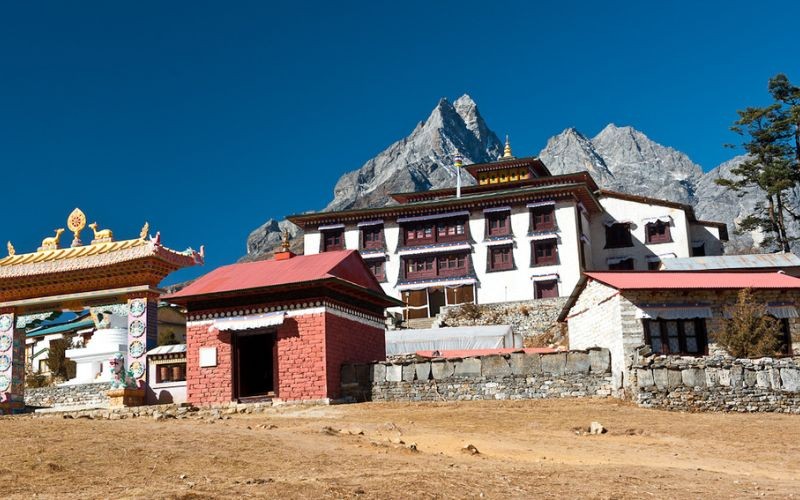
One of the most compelling times to visit Tengboche Monastery is during the vibrant Mani Rimdu festival. This annual celebration is a sacred ritual cycle in Tibetan Buddhism, featuring elaborate masked dances, chants, and ceremonial performances.
Held in the monastery courtyard, Mani Rimdu offers a rare glimpse into centuries-old traditions and spiritual symbolism. The festival embodies the establishment and transmission of Buddhist teachings, creating a deeply immersive cultural experience for visitors.
Resilience in the High Himalayas
Over the decades, Tengboche Monastery has demonstrated remarkable resilience. After its original construction in 1916, the monastery was rebuilt following earthquakes and a devastating fire in 1989.
Each reconstruction reflects the enduring devotion of the local community, ensuring that its spiritual and cultural legacy continues to thrive in the high Himalayas.
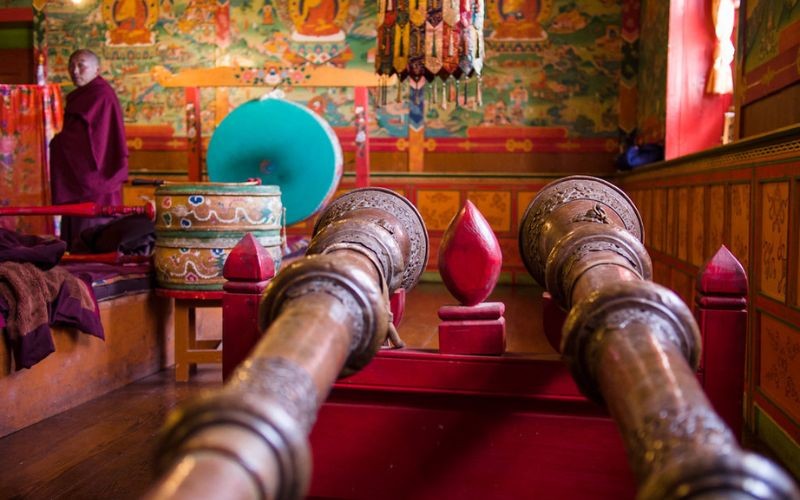
A Moment of Stillness in the Mountains
What truly distinguishes Tengboche Monastery is its profound sense of calm. At sunrise, as golden light washes over the peaks, the monastery comes alive with the soft hum of morning prayers.
For travellers exploring Nepal’s Khumbu region, Tengboche offers something rare, a moment to pause, reflect, and connect with both nature and spirituality.
PC: wikimedia Commons, Flickr
Also Read