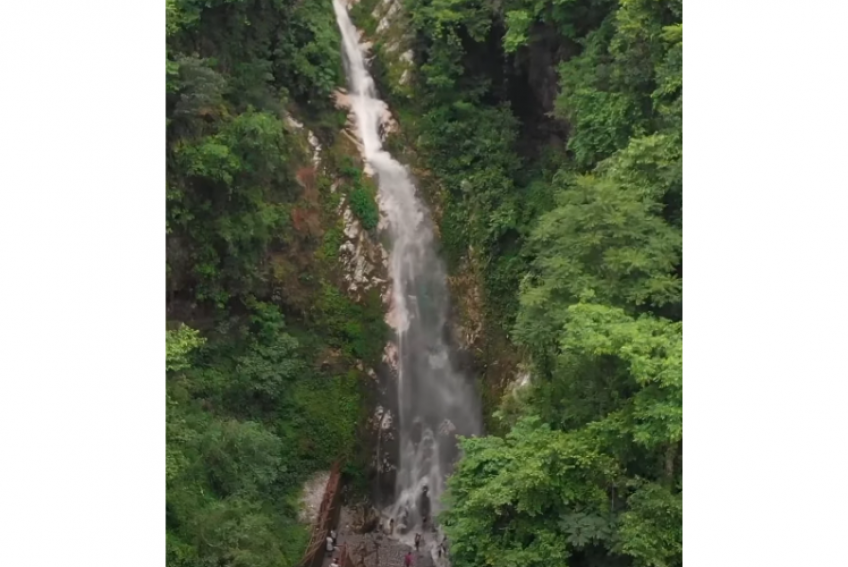
Tucked away amidst the lush hills of Dhankuta, Namaste Jharana remains one of eastern Nepal’s most enchanting natural retreats. Far from the crowded tourist circuits, this striking waterfall near Bhedetar offers travellers a blend of raw wilderness, cool mountain air and the soothing rhythm of cascading water.
For those journeying through the eastern hills of Nepal, Namaste Jharana is more than just a waterfall. It is an experience woven with mist, forest trails, local legends and the untouched charm of the Koshi hills.
Often overshadowed by more commercial destinations, this hidden gem quietly rewards those willing to venture beyond the ordinary.
Namaste Jharana lies approximately eight kilometres from Bhedetar in Dhankuta district, making it a popular side excursion for travellers visiting the eastern hill region. The waterfall is located within dense greenery and is reached through a short scenic walk from the roadside.
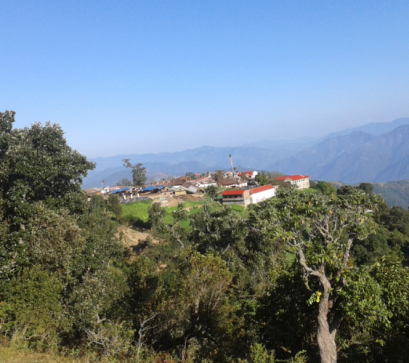
The route itself becomes part of the adventure. Winding roads snake through pine-covered hills, scattered settlements and dramatic valleys, while cool mountain breezes accompany travellers along the way. Visitors coming from Dharan often combine Bhedetar and Namaste Jharana into a refreshing day trip.
The waterfall derives its name from the unique appearance created by the cascading water as it strikes the rocks below. Locals believe the flow resembles the traditional “Namaste” greeting, with palms joined together in reverence. On sunny days, visitors may also witness rainbow-like formations shimmering through the mist near the falls.
This combination of shape, movement and rainbow spray gives Namaste Jharana an almost spiritual atmosphere. The waterfall appears both powerful and peaceful at once; an embodiment of the quiet grace so often found in Nepal’s hill landscapes.
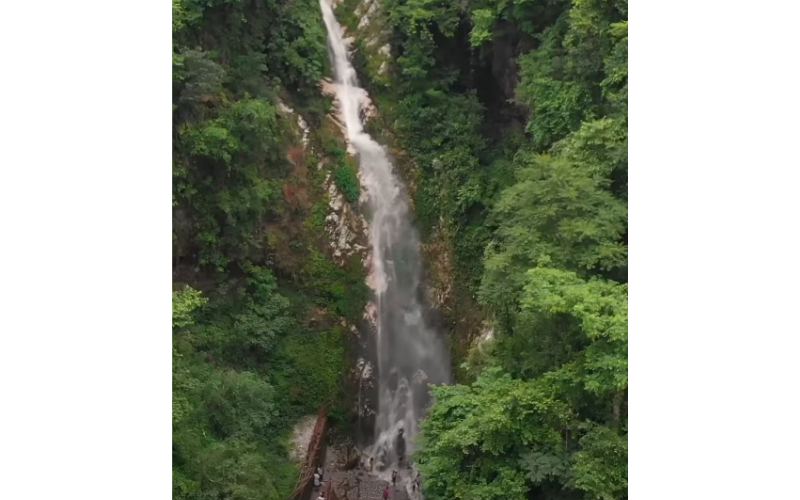
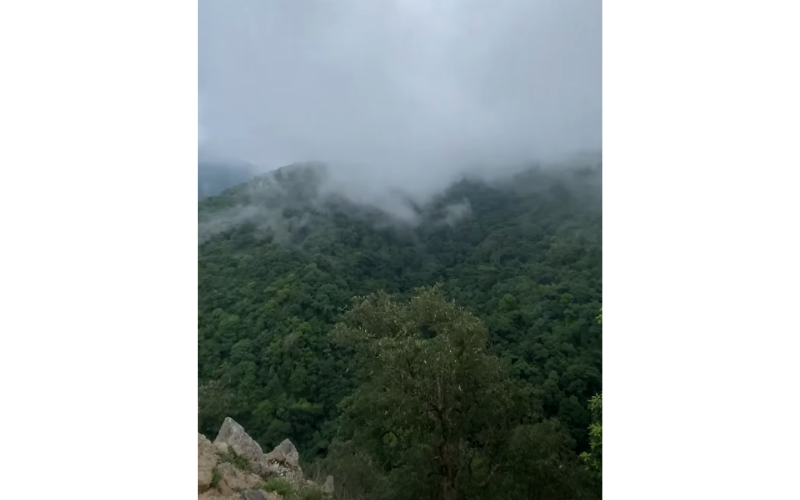
Reaching the waterfall involves a gentle hike through forested pathways and stone steps. The trail is lined with moss-covered rocks, chirping birds and the distant echo of rushing water. During the monsoon and post-monsoon months, the surrounding vegetation transforms into a vibrant tapestry of green.
As travellers descend towards the waterfall, the temperature noticeably cools and the sound of the falls grows louder with every step. The final view is breathtaking: a tall column of water plunging dramatically from rocky cliffs into the gorge below.
The waterfall is estimated to be around 80 metres high and remains one of the major natural attractions of the region.
Unlike heavily commercialised tourist sites, Namaste Jharana retains a sense of tranquillity and authenticity. Visitors come here not only for photography but also for respite — to escape city noise and reconnect with nature.
Many travellers describe the destination as therapeutic. The cool mist from the waterfall, the scent of wet earth and the untouched forest surroundings create an atmosphere that feels deeply rejuvenating.
Domestic tourism has significantly increased in recent years, especially among travellers from eastern Nepal. Visitors from Jhapa, Morang, Sunsari and neighbouring districts frequently travel to the waterfall during summer and monsoon seasons.
The site has also gained popularity through social media, with travellers sharing dramatic images of the falls, surrounding cliffs and rainbow mist formations.
The ideal time to visit Namaste Jharana is between June and October, when the waterfall is at its fullest due to monsoon rains. During this period, the surrounding hills become exceptionally lush and vibrant.
However, visitors should exercise caution during heavy rainfall as trails may become slippery.
For clearer skies and comfortable weather, autumn months from October to November also offer excellent conditions. Winter visits provide peaceful surroundings and crisp mountain air, though the water flow may be less intense.
A visit to Namaste Jharana can easily be combined with exploration around Dhankuta and Bhedetar. The region is rich in natural beauty, indigenous culture and panoramic hill scenery.
Nearby attractions include:
Dhankuta itself holds historical significance as an important administrative and cultural centre of eastern Nepal.
The eastern hills also offer a slower and more intimate travel experience compared to Nepal’s busier tourist regions.
Namaste Jharana is not merely a stopover on a road trip through eastern Nepal, it is a reminder of how quietly magnificent nature can be.
In a country celebrated for towering Himalayan peaks, destinations like Namaste Jharana reveal another side of Nepal’s beauty: intimate, refreshing and deeply rooted in the rhythms of the hills.
For travellers seeking untouched landscapes, soothing escapes and lesser-known adventures, Namaste Jharana offers a journey worth taking.
Also Read