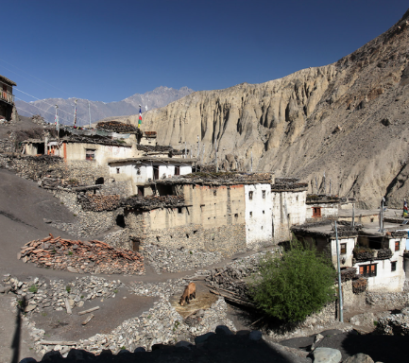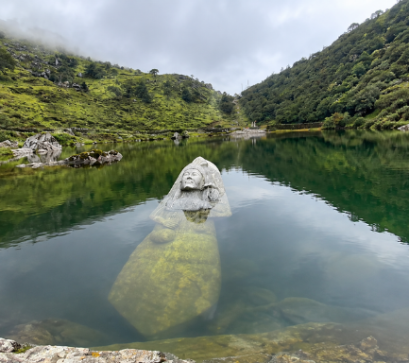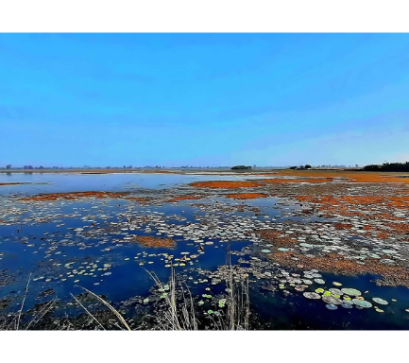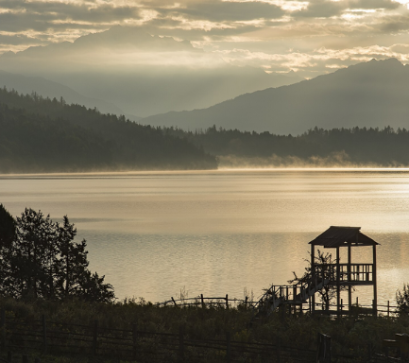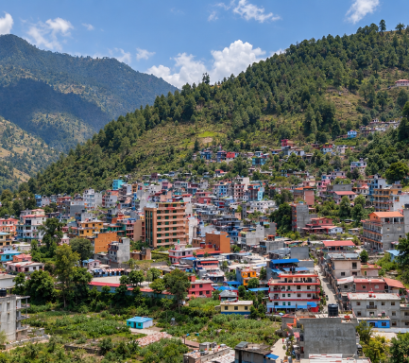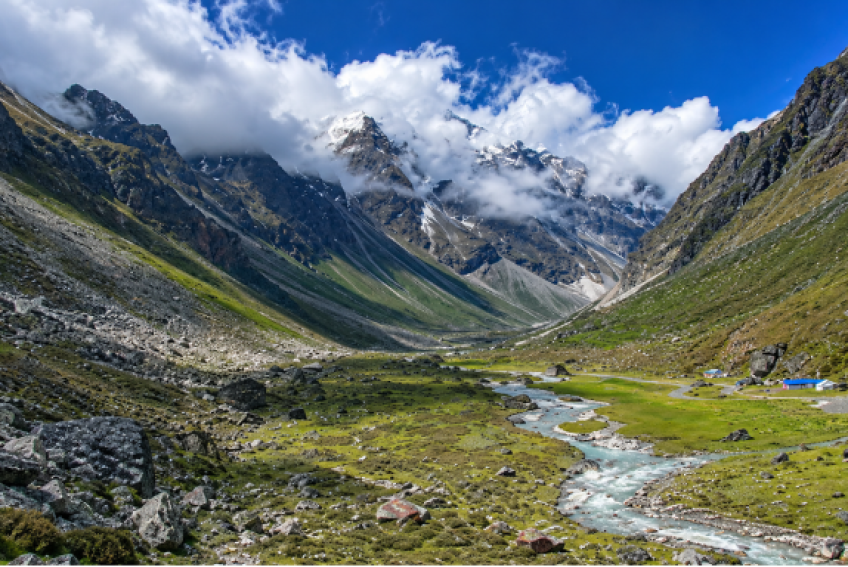
Hidden near the Nepal–Tibet border in Dolakha District, Lapchi Valley is one of Nepal’s lesser-known sacred Himalayan destinations. Situated approximately 3,670 metres above sea level within the Gaurishankar Conservation Area, this remote valley combines breathtaking mountain scenery, centuries-old Buddhist traditions and an extraordinary sense of tranquillity.
Unlike the busy trails of Everest and Annapurna, Lapchi remains relatively untouched by mass tourism. Its dense forests, dramatic cliffs, glacial rivers and ancient monasteries make it an exceptional destination for travellers seeking both adventure and spiritual discovery.
The valley holds immense importance in Tibetan Buddhism. Alongside Mount Kailash and Mount Tsari, Lapchi is revered as one of three sacred Himalayan sites. According to Buddhist tradition, it represents the Speech Mandala of Chakrasamvara, making it an important pilgrimage destination for monks, yogis and spiritual practitioners.
At the heart of Lapchi’s spiritual heritage lies the legacy of Jetsun Milarepa (1052–1135), the renowned Tibetan Buddhist poet and meditation master. Believed to have spent years meditating in the valley’s secluded caves, Milarepa remains deeply connected to the region’s identity.
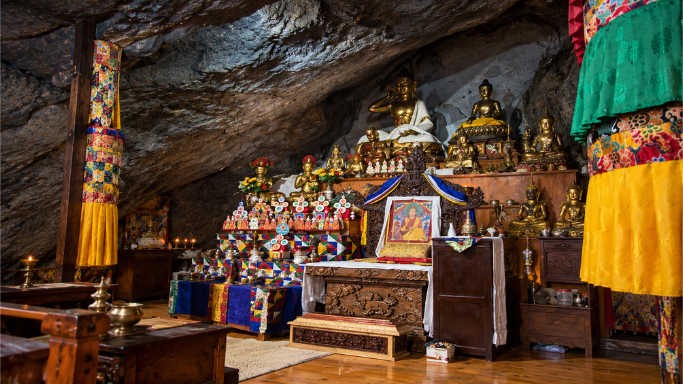
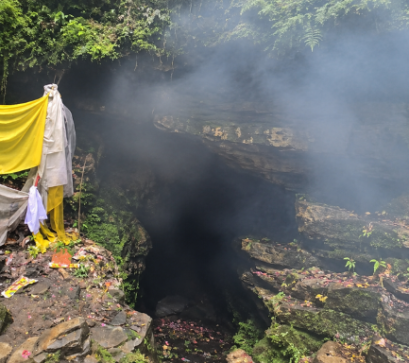
Among the most significant pilgrimage sites is Rechen Phug, also known as Milarepa Cave, where devotees can observe rock impressions traditionally associated with the saint. Other sacred sites include Dudul Cave, Lungten Cave and Sephuk Cave, situated approximately 4,600 metres above sea level. The historic Chöra Gephel Ling Monastery, associated with the Buddhist master Shabkar in the 19th century, continues to preserve the valley’s religious traditions.
Beyond its spiritual significance, Lapchi offers remarkable natural diversity. The trekking route follows the Tama Koshi River through bamboo and rhododendron forests before climbing towards alpine meadows and rugged Himalayan peaks. The wider conservation area supports wildlife including musk deer, Himalayan tahr and Himalayan monal.
Reaching Lapchi is an adventure in itself. Travellers generally drive from Kathmandu through Charikot to Lamabagar before trekking through Lower Lumnang towards Lapchi Village. Most itineraries take approximately 7–11 days, depending on the route and additional excursions.
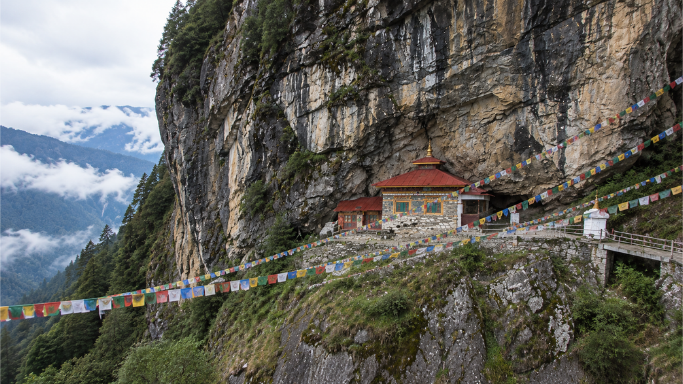
Spring (March–May) and autumn (September–November) are considered the best seasons for visiting. The trek is moderately challenging to strenuous, with steep trails, limited accommodation and potential altitude-related risks. Visitors should arrange appropriate permits, experienced local guides and sufficient acclimatisation time before departure.
For those willing to venture beyond Nepal’s familiar tourist destinations, Lapchi Valley offers something increasingly rare: a Himalayan landscape where ancient spiritual traditions, extraordinary wilderness and peaceful isolation remain closely connected.