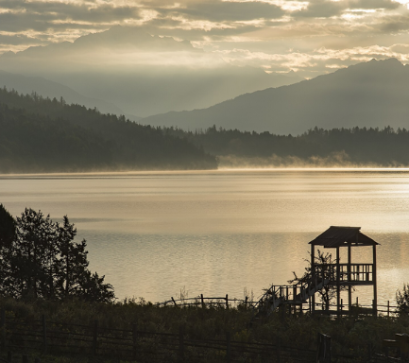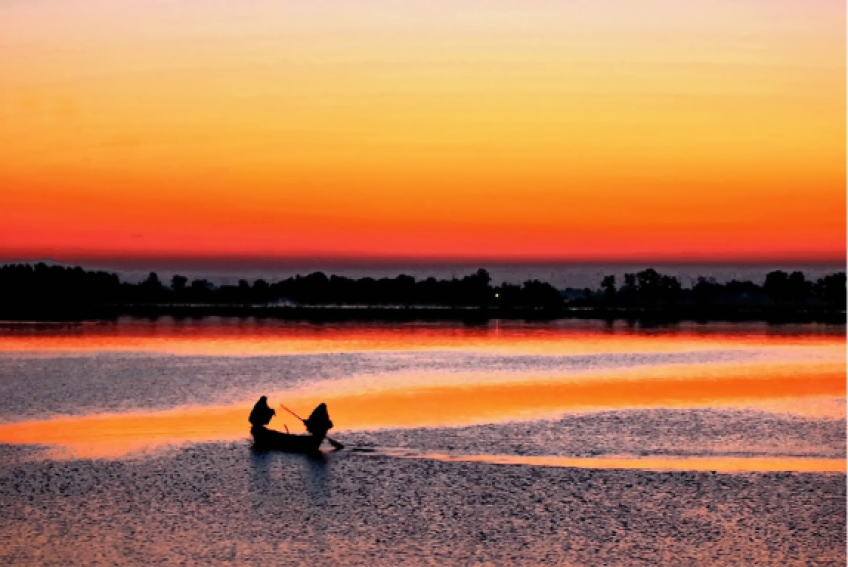
Imagine standing beside a peaceful lake as thousands of birds glide across the water, their calls echoing through the cool winter air. Some have travelled thousands of kilometres from Siberia, Mongolia and Central Asia to reach this remarkable sanctuary. Welcome to Jagadishpur Lake, one of Nepal’s most fascinating yet lesser-explored natural destinations.
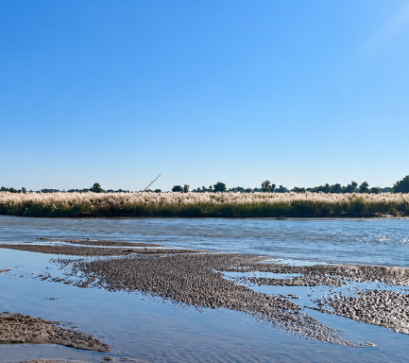
Located approximately 11 kilometres north of Taulihawa in Kapilvastu District, Lumbini Province, Jagadishpur Reservoir is Nepal’s largest man-made lake. Covering a total area of 225 hectares, including approximately 161.54 hectares of water surface, the reservoir lies at an altitude of 197 metres above sea level. Its depth varies from around two metres during the dry season to seven metres during the monsoon.
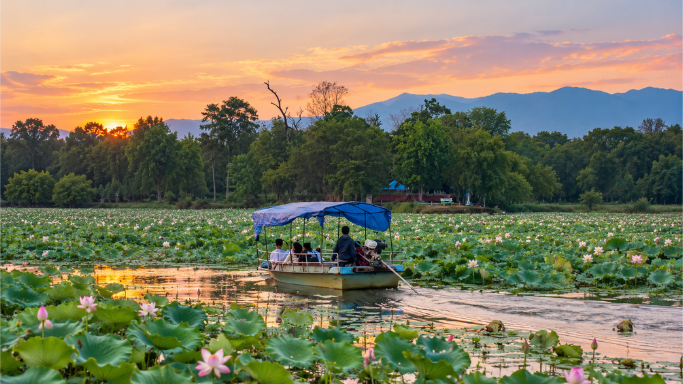
Originally constructed in the early 1970s over the former Jakhira Lake, the reservoir was designed to support agricultural irrigation using water from the Banganga River. Today, it serves a much greater purpose. Recognising its ecological importance, the wetland was designated a Ramsar Site of International Importance on August 13, 2003.
What makes Jagadishpur extraordinary is its remarkable bird diversity. According to the Jagdishpur Bird Sanctuary Management Plan, the reservoir supports 295 recorded bird species, including 113 winter visitors. Every year, migratory birds arrive from Siberia, China, Mongolia, Turkmenistan and Kyrgyzstan, with some travelling approximately 6,400 to 8,000 kilometres in search of warmer conditions and food.
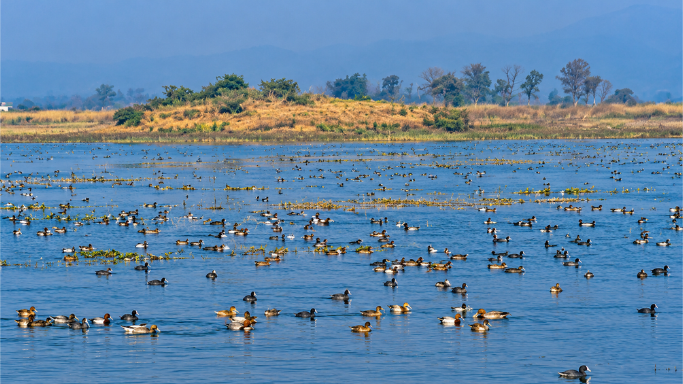
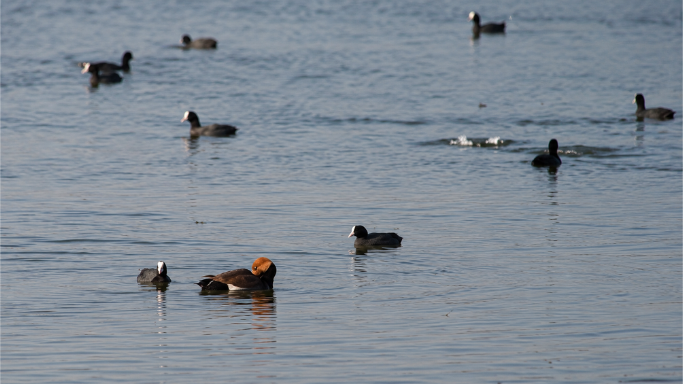
Among the winter visitors are common coots, northern pintails, gadwalls, tufted ducks, Eurasian wigeons, common pochards and ruddy shelducks, locally known as Chakhewa. The wetland also provides habitat for threatened species, including the lesser adjutant and white-rumped vulture.
Another fascinating resident is the pheasant-tailed jacana, locally called Jal Apsara, or water fairy. Known for its delicate movements across floating vegetation, this striking bird develops long tail feathers during the breeding season. Interestingly, male jacanas incubate the eggs and care for their chicks.
Beyond birds, the reservoir and its surrounding habitats support diverse fish, reptiles, amphibians and mammals, including otters. Its reed beds, lotus-covered waters and surrounding farmland create an interconnected ecosystem essential to local biodiversity.
For travellers, October to February is an excellent period for winter birdwatching, particularly during the quieter morning hours. Visitors can enjoy nature photography, peaceful lakeside walks and the remarkable sight of migratory flocks.
However, agricultural pollution, invasive aquatic plants and habitat disturbance threaten this fragile ecosystem. Protecting Jagadishpur is essential not only for wildlife but also for the communities that depend on its water.
More than an irrigation reservoir, Jagadishpur Lake is a living reminder that some of Nepal’s greatest natural wonders are found far beyond the mountains.