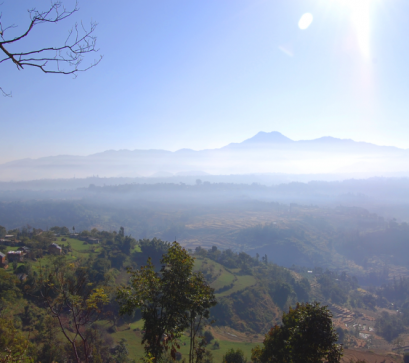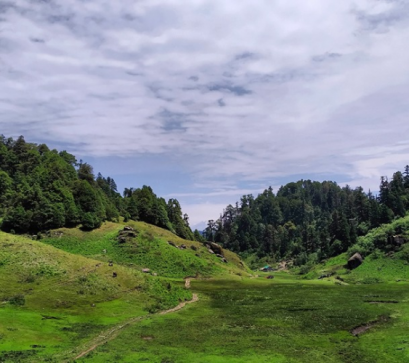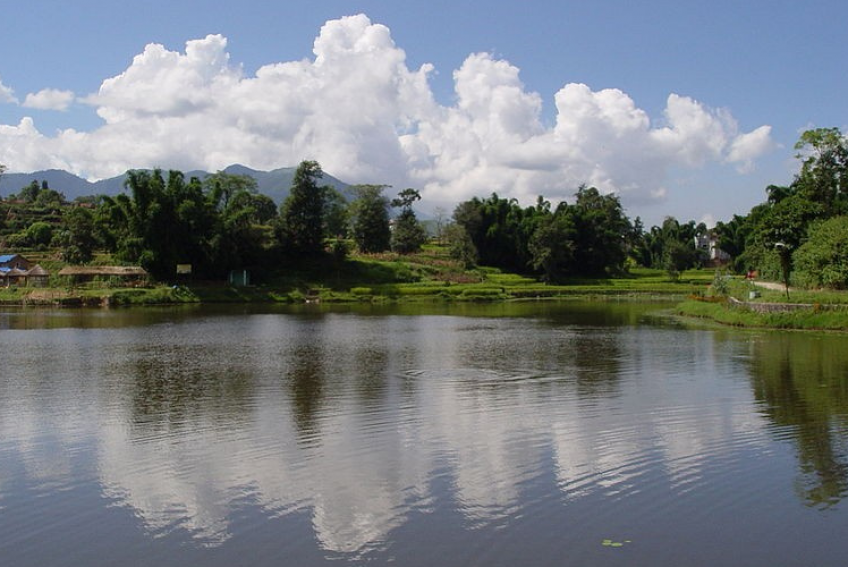
Tucked quietly within the growing urban sprawl of Dhapakhel lies Nagdaha: a still, mysterious lake where mythology, ecology and memory continue to coexist. Just a short drive from the busy roads of Satdobato and Lagankhel, Nagdaha feels surprisingly detached from Kathmandu Valley’s chaos. Mist hangs low over the water in the early mornings, migratory birds skim the lake’s surface, and local devotees circle its edges carrying flowers, incense and prayers for the serpent deities believed to reside beneath its waters.
For many in Lalitpur, Nagdaha is more than a lake. It is a place of stories.
The word “Nagdaha” translates roughly to “Serpent Lake”, derived from nag (serpent deity) and daha (pond or lake). Across the Kathmandu Valley, naga worship has long been intertwined with water sources, fertility, rainfall and protection. Nagdaha remains one of the valley’s most culturally significant naga sites, especially during festivals such as Naga Panchami and Janai Purnima.
Local oral traditions speak of a female serpent residing in Nagdaha, while the male serpent king is believed to dwell in Taudaha on the opposite side of the valley. During the monsoon season, folklore says the male serpent travels towards Panauti and stops at Nagdaha along the way; an encounter believed to bring heavy rainfall and thunder across the valley.
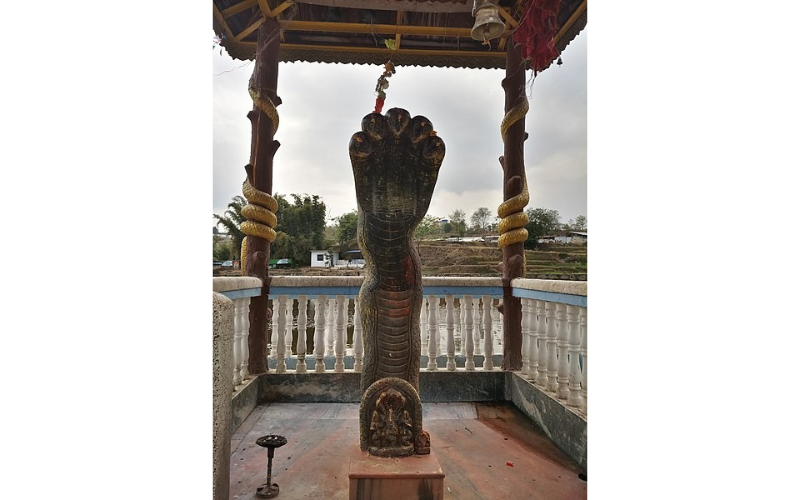
Near the north-western edge of the lake stands a naga statue and a small temple space where devotees continue to offer milk, flowers and lamps. The spiritual atmosphere remains especially strong during the rainy season, when the lake often appears wrapped in fog and silence.
Beyond mythology, Nagdaha is also an ecologically significant wetland in the southern part of the Kathmandu Valley. The lake covers roughly five hectares and acts as a seasonal refuge for both resident and migratory bird species.
Birdwatchers visiting the lake have recorded species including kingfishers, parakeets, egrets, cormorants, moorhens and migratory ducks during winter months. The wetland also supports aquatic biodiversity and provides habitat for native fish and reptiles.
Despite being surrounded increasingly by urban settlements, Nagdaha still retains pockets of calm greenery. Early mornings often reveal fishermen waiting quietly at the edges, locals feeding birds, and reflections of clouds moving gently across the water.
Nagdaha’s greatest challenge today is urbanisation.
Once relatively isolated, the lake is now bordered by expanding residential areas, roads and infrastructure. Conservation groups and local communities have repeatedly raised concerns regarding pollution, waste disposal, encroachment and declining water quality.
In recent years, local conservation initiatives have attempted to restore and preserve the wetland ecosystem. One notable effort involved the installation of Floating Treatment Wetland System (FTWS) rafts aimed at improving water quality through natural filtration processes. The initiative was carried out through collaboration between conservation organisations, Lalitpur Metropolitan City and local community groups.
The lake’s future now rests heavily on whether conservation efforts can keep pace with rapid urban expansion.
Unlike the crowded heritage squares and busy tourist circuits of Kathmandu, Bhaktapur or Patan, Nagdaha offers something quieter: an atmosphere rather than an attraction.
There are no grand monuments here. No ticket counters. No loud marketplaces.
Instead, there is stillness.
The lake is best experienced slowly: during an early morning walk, after monsoon rainfall, or in the soft golden light before sunset. Elderly locals gather beside the water for conversation, children cycle along nearby roads, and migratory birds briefly transform the lake into a seasonal sanctuary.
For travellers seeking lesser-known corners of the valley, Nagdaha reveals a softer landscape where mythology still survives within nature.
In many ways, Nagdaha reflects Kathmandu Valley itself: ancient beliefs surviving within modern expansion.
It is at once sacred and ecological.
Urban yet unexpectedly wild.
Quiet, but deeply storied.
And perhaps that is what makes Nagdaha remarkable: not because it demands attention, but because it continues to exist gently amid a rapidly changing valley.
Also Read