Pikey Peak Trek

The Lower Everest Viewpoint with One of the Himalaya’s Finest Panoramas

28, Apr 2026 | nepaltraveller.com

A scenic trek in Nepal’s lower Everest region, Pikey Peak offers panoramic Himalayan views including Everest and Kanchenjunga from a relatively low-altitude, less-crowded route accessible by road from Kathmandu.

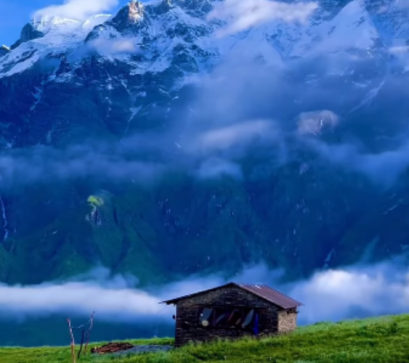
Pikey Peak is a scenic trekking destination in Nepal’s lower Everest region, rising to an altitude of 4,065 metres (13,336 ft). It is widely known for offering one of the most expansive Himalayan panoramas from a relatively accessible height.

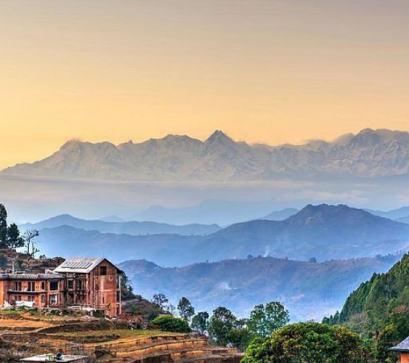
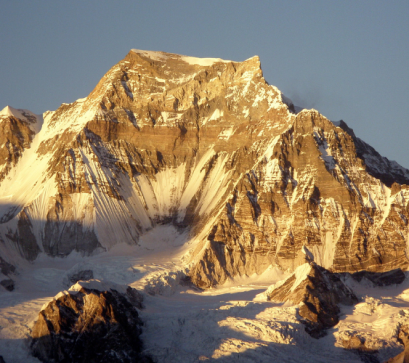
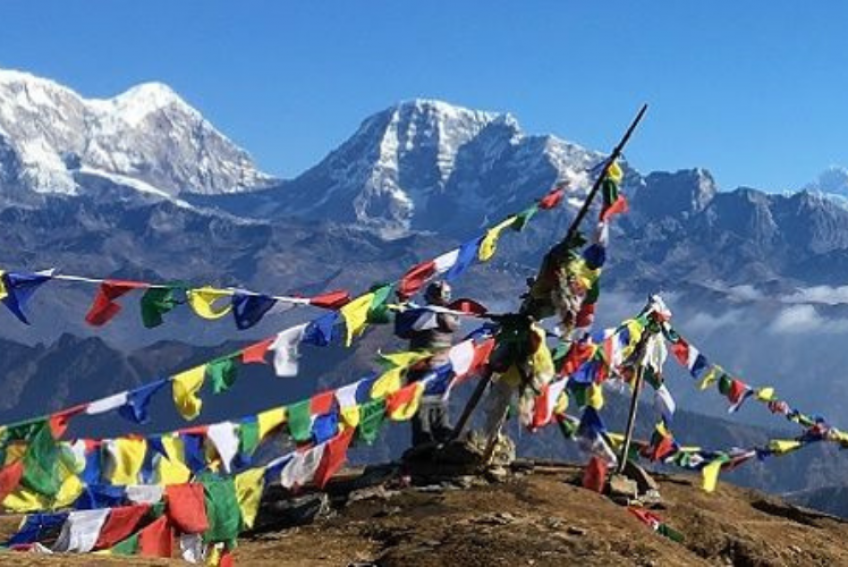
On clear days, trekkers can see a sweeping range of peaks including Mount Everest, Lhotse, Makalu, Kanchenjunga, and Dhaulagiri stretching across the horizon.

Did Sir Edmund Hillary say this is the “finest viewpoint”?

“Pikey Peak is often associated with Sir Edmund Hillary in trekking folklore, and is widely promoted as one of the best viewpoints in the lower Everest region.”
PC: Nepali Times

Why Pikey Peak Trek Stands Out

1. Everest Views Without Extreme Altitude
Unlike high-altitude treks such as Everest Base Camp (5,364m), Pikey Peak remains at a moderate elevation, reducing altitude risk while still offering Himalayan views.

2. No Flight Required
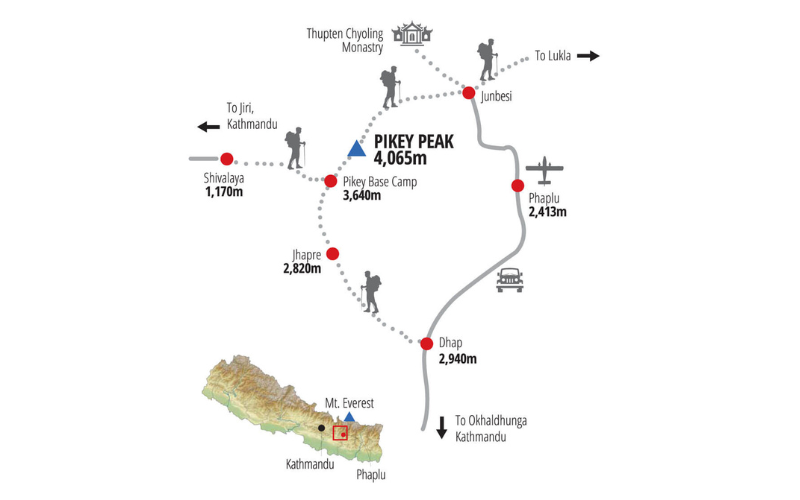
The trek begins with a drive from Kathmandu via Dhap Bazaar or Jiri, making it:

  • More affordable
  • More predictable
  • Less weather-dependent than Lukla flights

3. Quiet, Less-Crowded Trails
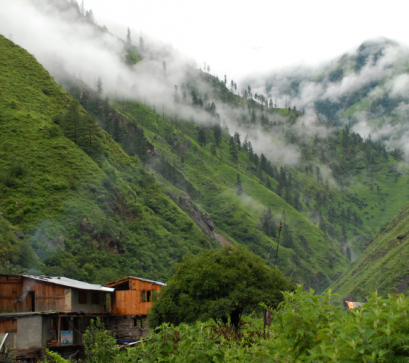
The Pikey route is significantly less busy than Everest and Annapurna trails, offering a more peaceful trekking experience through forests, ridgelines, and Sherpa villages.

Trek Overview

  • Duration: 4-8 days
  • Highest point: Pikey Peak (4,065m)
  • Terrain: Forest trails, ridges, stone steps
  • Accommodation: Teahouses and homestays

Best Time to Visit

  • Autumn (Sep-Nov): Best visibility, stable weather
  • Spring (Mar-May): Rhododendron blooms, clear mornings
  • Winter: possible but cold
  • Monsoon: not recommended due to cloud cover

Cultural Highlights

The trail passes through traditional settlements inhabited by Sherpa, Tamang, Sunuwar, and other communities.

Key experiences include:
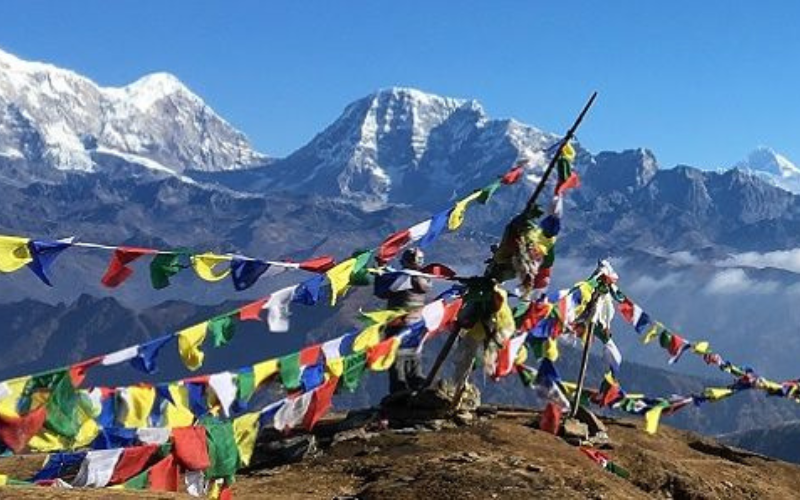
  • Tupten Choling Monastery (major Buddhist monastery in the region)
  • Traditional villages such as Junbesi
  • Forests of rhododendron and pine
  • Local homestay hospitality
PC: Nepal tour

Itinerary (7 Days)

  1. Drive Kathmandu to Dhap
  2. Trek to Sigane
  3. Trek to Pikey Base area
  4. Sunrise at Pikey Peak (4,065m) - descend
  5. Trek to Junbesi
  6. Trek to Phaplu
  7. Drive back to Kathmandu

Permits for Pikey Peak Trek (Updated 2026)

As of 2026, trekking to Pikey Peak involves local and conservation area permits, though requirements can vary slightly depending on the chosen route.

Key Permit Requirements

  • Gaurishankar Conservation Area Permit (GCAP)
    Approximately NPR 3,000 per person.
    This applies to sections of the lower Everest region, particularly if your route passes through the
    Gaurishankar Conservation Area.

  • Local Municipality Entry Fee
    Typically around NPR 2,000, collected by local authorities to support regional infrastructure and tourism development.

  • Sagarmatha National Park Permit (Conditional)
    Required only if your itinerary enters park boundaries. The standard Pikey Peak route usually does not require this permit.

Important Notes

  • - Permit requirements in Nepal are route-dependent and subject to change, so it is advisable to confirm details with the Nepal Tourism Board or a registered trekking agency before departure.
  • - Payments are generally made in Nepalese Rupees (NPR).
  • - Carry passport copies and photographs when obtaining permits.

Guide Requirement (2026 Context)

Pikey Peak is not classified as a restricted trekking area, meaning:

  • A guide is not legally mandatory
  • However, hiring a licensed guide is strongly recommended for navigation, safety, and local insight

What Makes Pikey Peak Special

  • One of the best Himalayan sunrise viewpoints in lower Everest
  • Accessible without flight dependency
  • Lower altitude compared to classic Everest treks
  • Strong cultural immersion with fewer crowds

PC: Nepali Times, Nepal Tour


Also Read


Ngozumpa Glacier: Nepal’s Longest River of Ice in the Everest Region

Smart Trekking Essentials for Nepal’s Trails: Tuesday Tips

Bandipur: The Queen of Hills

Trigajur Shivalaya, Gaurighat: A Contemporary Shrine of Symbolism in Kathmandu

The Man Beneath the Elephant: Patan’s Silent Symbol of Memory and Power

join our newsLetter

powered by : nepal traveller digital publication pvt. ltd

developed by : Web House Nepal