

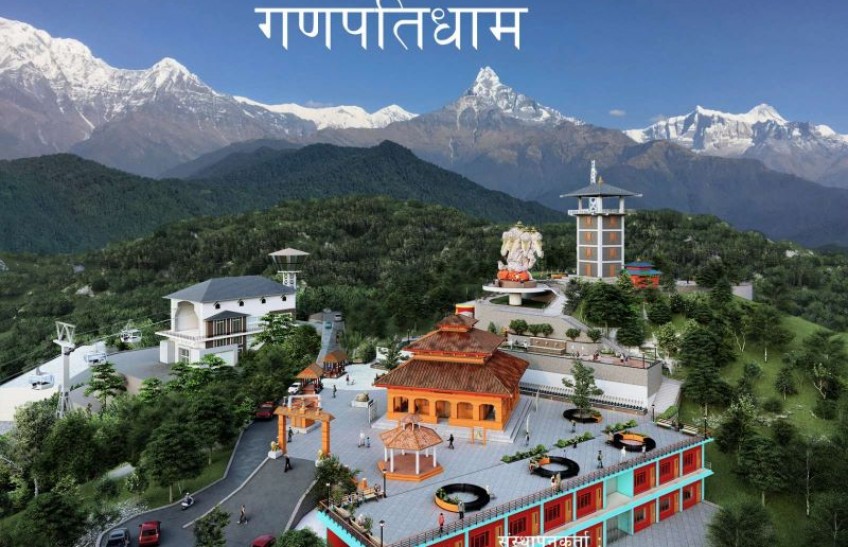
 Source::
Situated at an altitude of 1192 meters above sea level, Sarangkot is nestled amidst the breathtaking landscapes of Machhapuchhre, Annapurna, and Dhaulagiri. Historically, it served as the summer capital of Kulmandan Shah, the ancestor of the Shah dynasty kings of Nepal. The area holds great importance as it was once a site for royal rituals and gatherings during the Shah dynasty. Sarangkot derives its name from the amalgamation of "Sarun," a famous shield and sword game, and "Kot," meaning hilltop.
The Sarangkot Religious and Tourism Area Development Committee is an organization dedicated to the development and promotion of Sarangkot, a place of historical, religious, and touristic significance located in the Kaski District of Nepal. By improving the infrastructure, protecting religious and cultural heritage, and fostering tourism, the committee aims to uplift the local economy and bring global recognition to this enchanting destination.
The primary purpose of the committee is to protect and promote the religious and cultural heritage of Sarangkot. Regular worship and the preservation of the Guthi land and temple are crucial aspects of their work. Additionally, the committee focuses on facilitating organized and robust efforts for social and tourism development. By implementing a phased plan for infrastructure construction, they aim to enhance the physical facilities of the area.
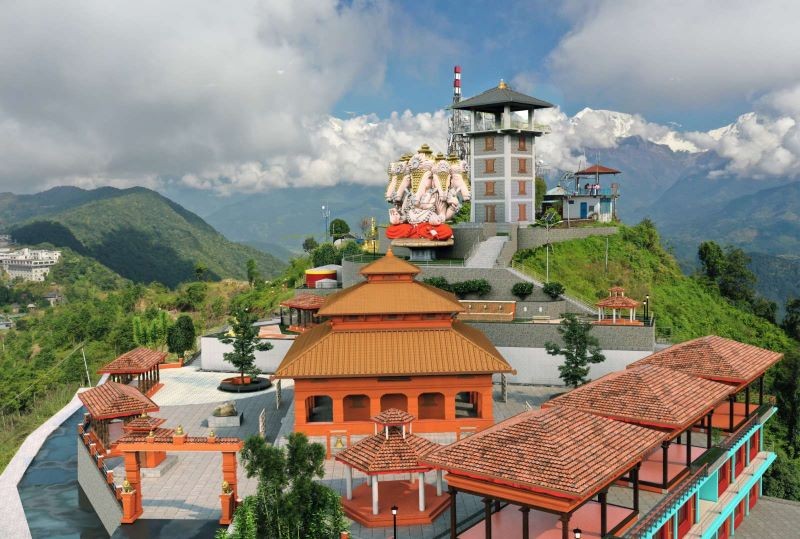
Sarangkot has gained recognition as an exceptional tourist destination, offering panoramic views of the Himalayas, lakes, and captivating sunrises and sunsets. Efforts have been made to improve accessibility, such as the introduction of a long-distance car service from Setibagar in Pokhara to Sarangkot. The establishment of star-level hotels and the operation of paragliding services have significantly contributed to the local economy, generating employment opportunities for the residents, especially after the successful establishment of Annapurna Cable Car.
The construction and operation of the Shri Kailaleshwar Mahadev Mandir, a two-story pagoda-style temple, stand as a testament to the commitment to preserve the religious and cultural heritage of Sarangkot. Moreover, plans are underway to further develop infrastructure and increase the attractiveness of the region to both domestic and international tourists. The committee aims to include Sarangkot on the World Heritage List, which would provide numerous benefits for all stakeholders involved.
Phased Plan of Infrastructure Construction for Sarangkot Development:
1. Construction of a 48-foot-tall Panchmukhi Ganesha statue.
2. Establishment of a museum to safeguard and showcase archaeological artifacts.
3. Building the Bhumekali temple for religious purposes
4. Construction of devotee rooms and shelters, along with the creation of 108 holy streams.
5. Development of a view tower equipped with elevator facilities.
6. Installation of rainwater collection tanks to support sustainable water management
7. Creation of a beautiful and enchanting garden area.
8. Construction of public toilets to ensure proper sanitation facilities.
9. Development of an access road for improved connectivity.
It is essential to note that the phased plan aims to enhance the overall attractiveness of Sarangkot as a destination, stimulate economic growth, and provide better facilities for visitors and residents alike.
The Sarangkot Religious and Tourism Area Development Committee plays a vital role in safeguarding the rich historical and religious heritage of Sarangkot while simultaneously fostering tourism and economic development. Through infrastructure improvements and preservation efforts, the committee seeks to attract more visitors and boost the overall economy of Nepal. Sarangkot's inclusion in the World Heritage List would serve as a testament to its cultural significance and ensure its long-term sustainability as a captivating tourist destination.
Also Read:
