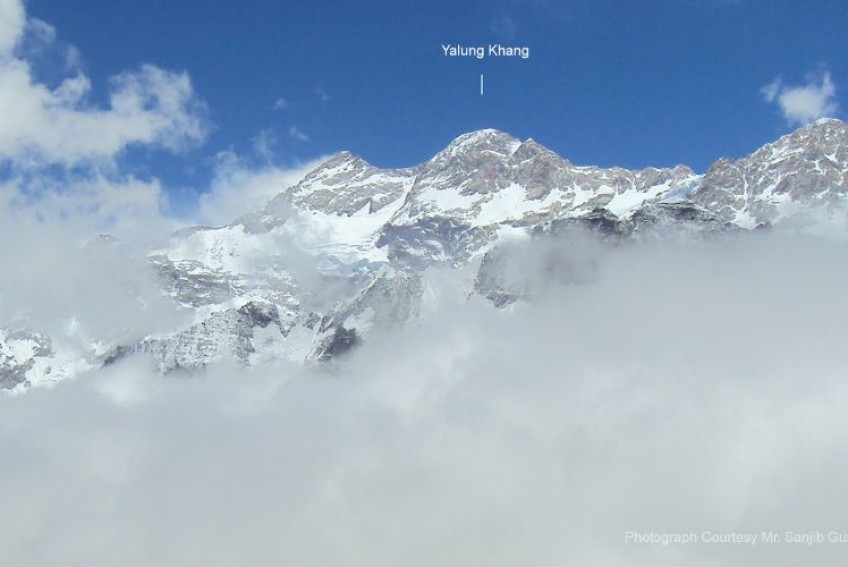
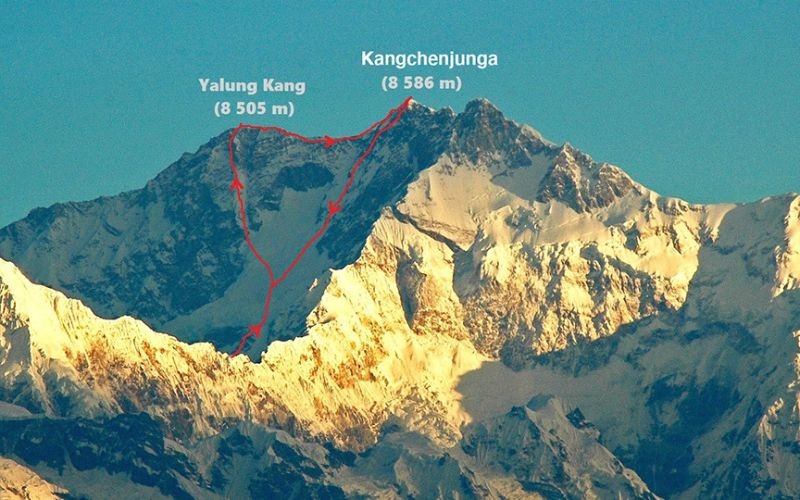
Towering at 8,505 metres, Yalung Kang is the second-highest summit in the Kanchenjunga massif, surpassed only by Mount Kanchenjunga (8,586 m). Also widely known as Kanchenjunga West, it stands along the Nepal-India (Sikkim) frontier, forming part of one of the most formidable mountain systems on Earth.
Despite its immense elevation, ranking among the highest peaks globally, Yalung Kang is often overshadowed in popular discourse by the main summit of Kanchenjunga. Yet within mountaineering circles, it is recognised as a significant and technically demanding mountain in its own right.
Geography and Setting: The Wild Eastern Himalaya
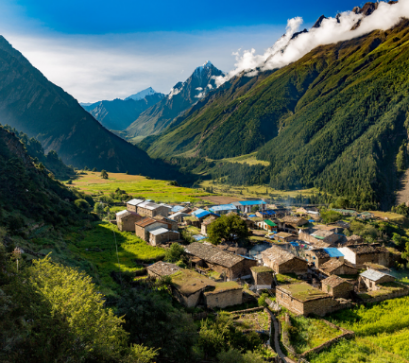
Yalung Kang rises from the remote expanses of eastern Nepal within the protected boundaries of the Kanchenjunga Conservation Area. This huge landscape is defined by:
As Nepal’s third-largest conservation area, the region is both ecologically and geographically significant. It hosts rare wildlife such as the snow leopard and red panda, alongside a remarkable diversity of flora that shifts dramatically across altitude zones.
Mountaineering Significance: A Serious Himalayan Objective
While not counted as an independent eight-thousander due to its relatively low topographic prominence, Yalung Kang remains a formidable objective for experienced mountaineers. It forms part of the greater Kanchenjunga climbing system and is typically approached via the same remote routes.
Climbs in this region are defined by:
Historically, the Kanchenjunga region saw increased expedition activity during the mid-20th century, and Yalung Kang has since been climbed as part of extended expeditions in the massif. Its scale and technical demands ensure it remains firmly within the realm of elite himalayan mountaineering.
The Journey In: Trekking Through Remote Eastern Nepal
For most travellers, the experience of Yalung Kang is not about summiting, but about immersion in one of Nepal’s least-travelled trekking regions. The approach follows the renowned Kanchenjunga Base Camp Trek, widely regarded as one of the country’s most rewarding long-distance treks.
The journey unfolds across striking ecological gradients:
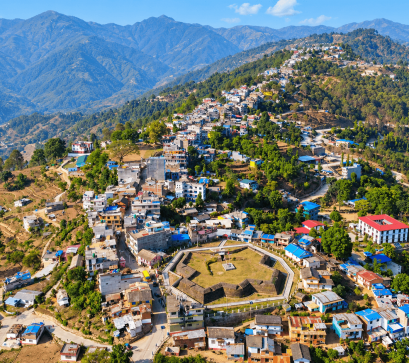
Along the route, trekkers encounter communities of Rai, Limbu, and Tibetan-origin peoples. These settlements preserve deeply rooted cultural traditions, reflected in monasteries, prayer flags, mani walls, and a lifestyle closely tied to the rhythms of the mountains.
Cultural and Environmental Significance
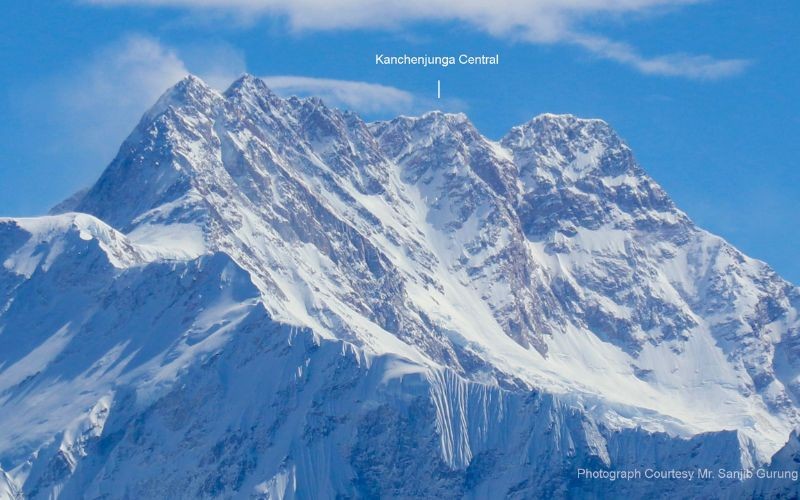
The Kanchenjunga region carries deep spiritual resonance, with its mountains regarded as sacred embodiments of protective deities. While Yalung Kang is not the focus of specific rituals, it forms part of this broader sacred Himalayan landscape centred around Mount Kanchenjunga.
The Kanchenjunga Conservation Area plays a vital role in safeguarding biodiversity and indigenous heritage, with restricted permits ensuring low-impact, sustainable tourism.
Far removed from the crowded trails of Everest and Annapurna, this region offers a quieter, more authentic Himalayan experience. Yalung Kang represents:
For discerning travellers, it reflects a more responsible way to explore the Himalaya.
Practical Travel Insights
Though less renowned than Mount Kanchenjunga, Yalung Kang remains a formidable presence offering a rare sense of scale, solitude, and discovery in one of Nepal’s most untouched regions.
PC: Nepal Himal Peak Profile, Exploreresweb
Also Read