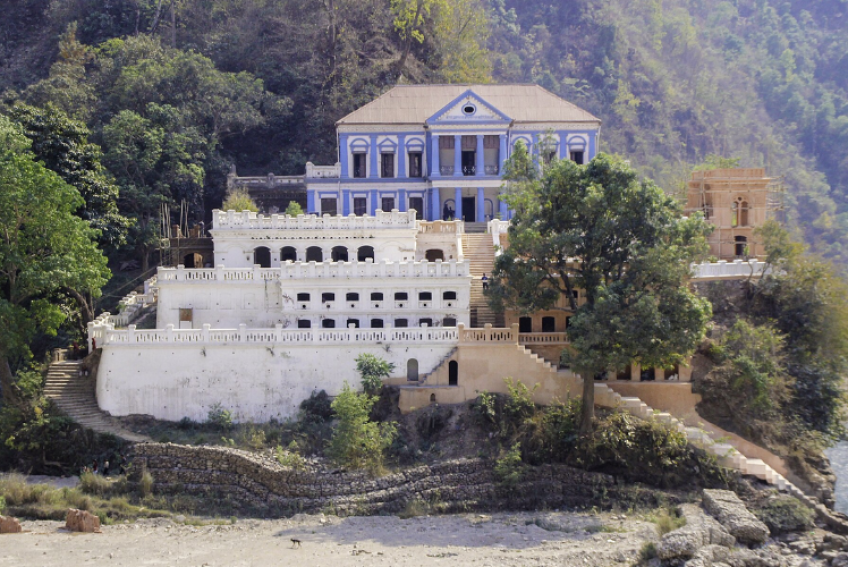
Hidden away in the hills of Palpa district in western Nepal, Rani Mahal is one of the country's lesser-known historic monuments. Rising above the banks of the Kali Gandaki River, the old palace draws a modest but steady stream of visitors – historians, architecture enthusiasts, and travelers who have strayed pleasantly off the beaten path. What brings many of them here is not just the building itself, but the story said to surround it.
According to local accounts, Rani Mahal was built in the late 19th century by Palpa's then-Governor Khadga Shumsher Rana. The palace is widely believed to have been constructed in memory of a beloved wife who passed away, and the building is often described by locals and guides as a monument to personal grief and devotion. Whether every detail of this account can be verified historically, the story has become inseparable from the place – and it lends Rani Mahal a quietly emotional atmosphere that visitors frequently remark upon.
Because of this association, the palace is sometimes affectionately referred to in popular writing as the "Taj Mahal of Nepal," a comparison that speaks more to sentiment than to architectural similarity.
What is immediately and undeniably striking about Rani Mahal is its architecture. In a region where buildings typically reflect Newari or Pahadi hill traditions, the palace presents a distinctly different face – one that blends neoclassical European elements with decorative touches more commonly associated with the Indian subcontinent. Arched colonnades, symmetrical facades, and high-ceilinged interiors suggest craftsmen who were drawing on a wide range of influences, possibly including Kathmandu's Singha Durbar, though accounts of the exact sources of inspiration vary.
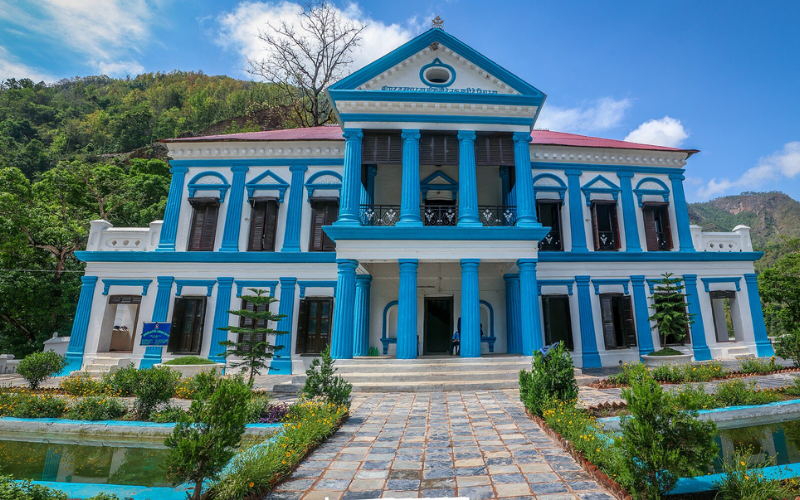
The palace occupies a dramatic site on terraced levels descending toward the Kali Gandaki gorge, with balconies and openings that frame wide views of the river below. The interiors, now largely bare, retain traces of decorative plasterwork and carved doorways that hint at their former appearance. The structure has weathered over the decades, and some portions have deteriorated, though restoration work supported by the Department of Archaeology has helped stabilize the site in recent years.
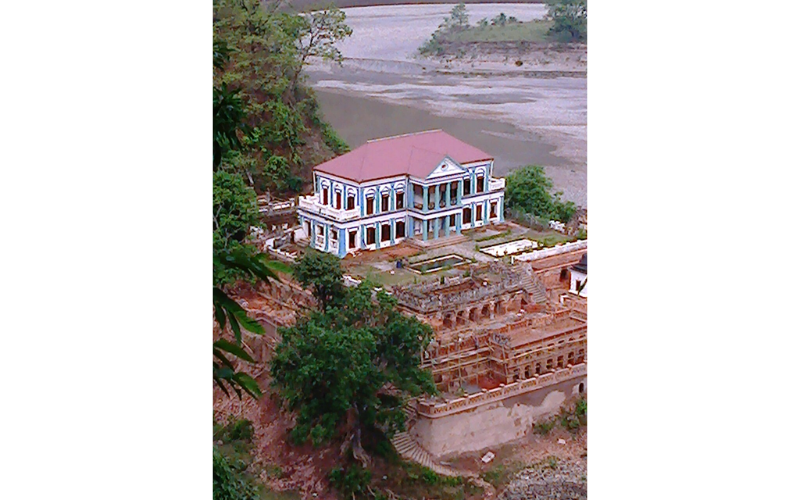
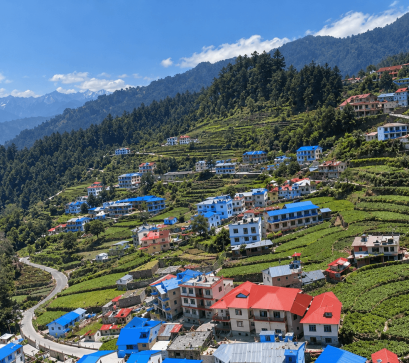
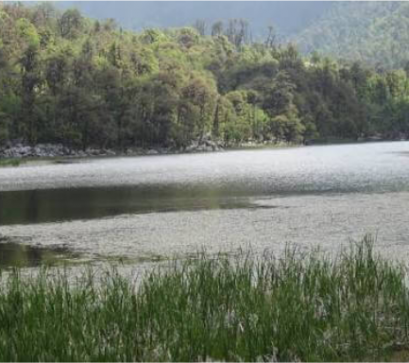
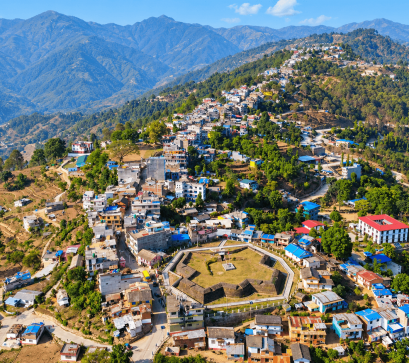
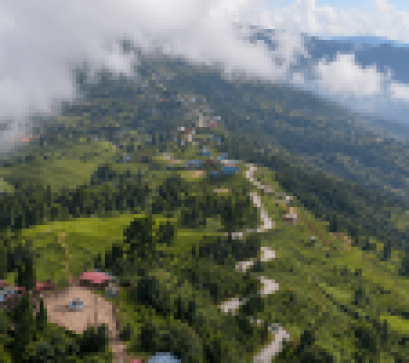
Rani Mahal is located approximately 14 kilometers south of Tansen, the hilltop bazaar town that serves as the cultural and commercial center of Palpa. The road descends through terraced farmland, patches of sal forest, and small villages before reaching the Kali Gandaki riverside, from where a short climb along stone steps leads up to the palace grounds.
Most visitors pair a trip to Rani Mahal with time spent in Tansen's old town, where 18th-century Newari merchant houses line narrow cobblestone lanes and a relaxed, unhurried atmosphere prevails. The drive between the two is scenic in its own right. October through March offers the clearest skies and the most comfortable temperatures for a visit.
Rani Mahal sits well outside the circuits that most tourists follow in Nepal, and that is a large part of its appeal. It offers a different kind of encounter with the country's history – quieter and more personal than the great temple complexes of the Kathmandu Valley, and without the crowds. The building, the river, and the landscape together create a setting that feels genuinely unhurried.
Whether one comes for the architecture, the alleged history, or simply the scenic drive through Palpa's hills, Rani Mahal tends to leave a lasting impression – the kind that comes from discovering something beautiful that the wider world has not yet rushed to claim.
Picture Credits: Wikimedia Commons