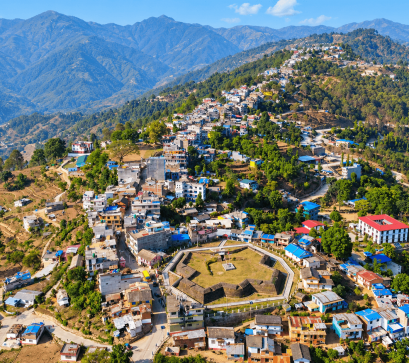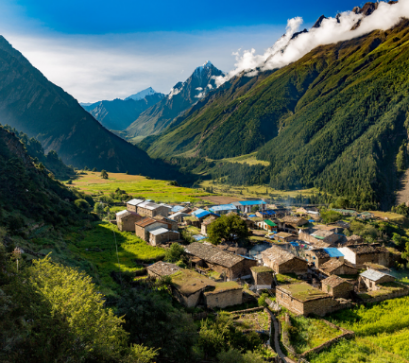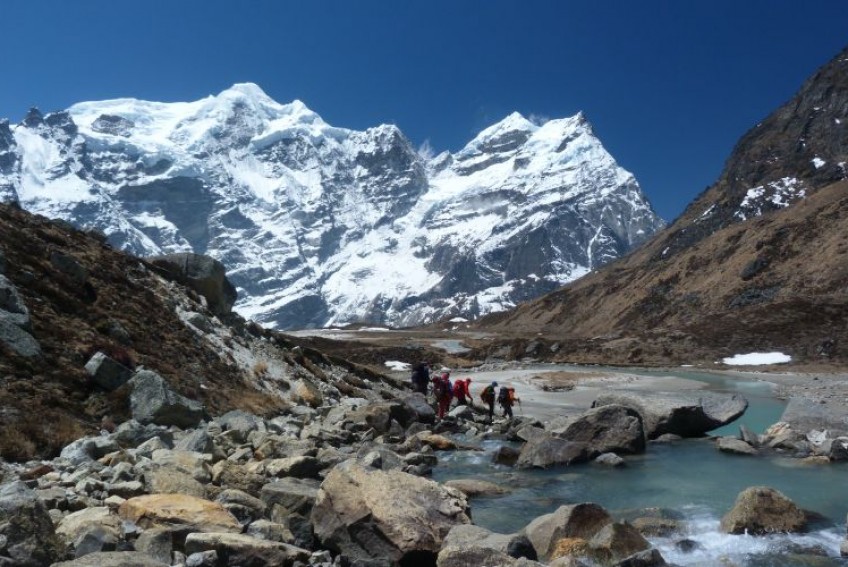
Tucked deep within eastern Nepal, Hinku Valley remains one of the country’s most pristine and least-explored trekking destinations. Located inside Makalu Barun National Park, this remote valley offers a rare Himalayan experience, far removed from the crowded trails of Everest Base Camp and Annapurna.
Bordering the famed Khumbu region yet vastly different in character, Hinku Valley is defined by silence, scale, and raw natural beauty. Trekkers are rewarded with sweeping views of towering peaks like Mount Everest, Makalu, Lhotse, and Cho Oyu, without the foot traffic.
Landscapes: From Forest Floors to Glacial Frontiers
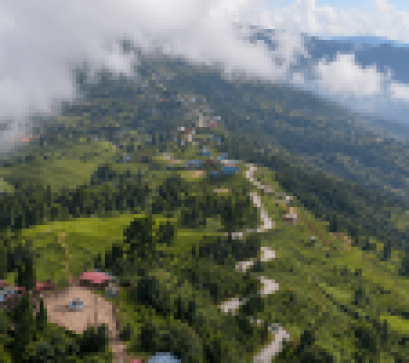
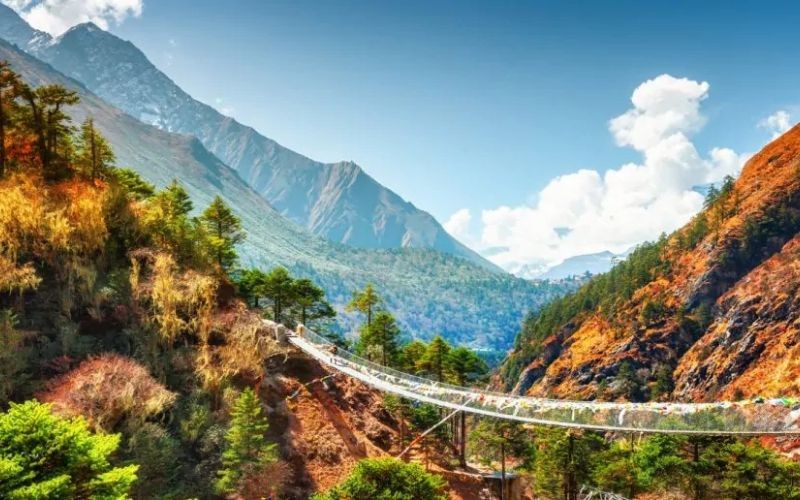
Hinku Valley is a vertical wilderness, transitioning dramatically through ecosystems. The journey begins in lush rhododendron and bamboo forests before opening into alpine meadows, moraine fields, and glacier-fed rivers.
Key geographical highlights include:
This ecological diversity supports rare wildlife, including red pandas, Himalayan tahr, and elusive snow leopards.
The Mera Peak Connection
For many adventurers, Hinku Valley serves as the route to Mera Peak (6,476m), Nepal’s highest trekking peak. While technically non-technical, the climb demands endurance and proper acclimatization.
From the summit, climbers witness one of the most dramatic panoramas in the Himalayas: five of the world’s six highest mountains aligned across the horizon.
Yet, the valley itself is the true reward. Beyond the summit push, it offers serene trails, hidden glacial lakes, and an immersive wilderness experience rarely found elsewhere in Nepal.
Routes and Access
The most common approach begins with a flight to Lukla, followed by a diversion away from the Everest Base Camp trail.
Typical routes include:
Most itineraries range between 18-21 days, depending on acclimatization and route complexity.
Culture in Isolation
Unlike Nepal’s more commercial trekking corridors, Hinku Valley has minimal permanent settlements. Life here is seasonal and closely tied to the land.
Trekkers encounter:
This limited infrastructure enhances authenticity, but requires careful logistical planning.
Best Time to Visit
Winter brings heavy snowfall, while monsoon conditions make trails difficult and hazardous.
Difficulty & Preparation
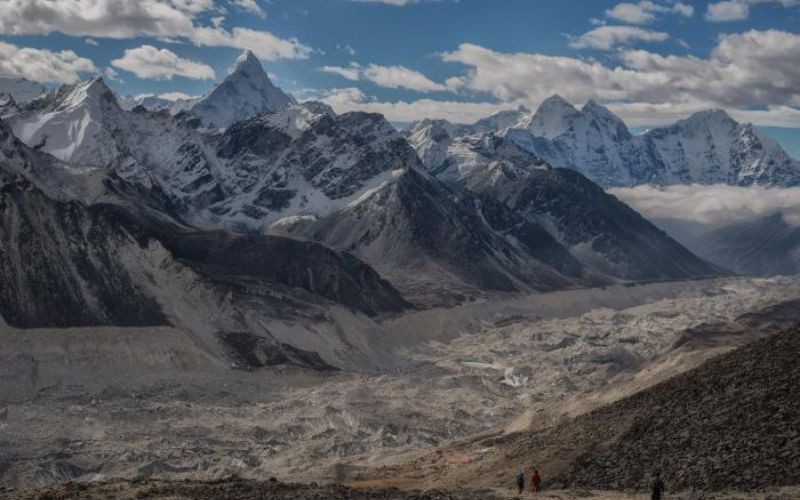
Hinku Valley is best suited for experienced trekkers. Key challenges include:
Professional guides, proper acclimatization, and physical preparedness are essential.
In an increasingly accessible Himalaya, Hinku Valley stands apart. It offers something rare: a sense of discovery.
Here:
Hinku Valley is not designed for mass tourism, and that is precisely its strength. It demands resilience, but rewards with solitude, scale, and authenticity.
For those seeking Nepal beyond the obvious, Hinku Valley remains one of the last true Himalayan frontiers.
PC: Nepal Guide Treks, SkiAscent, Skyline Treks
Also Read