Dashain has always been more than a festival in Nepal. It is a celebration of family reunions, spiritual devotion, cultural traditions and the victory of good over evil. However, as lifestyles change and technology becomes part of everyday life, the way Nepalis celebrate this 15-day festival is also evolving.
From symbolic animal sacrifices to digital dakshina and environmentally friendly practices, modern Dashain reflects a growing balance between tradition and contemporary values.
Animal sacrifice has traditionally been associated with Maha Ashtami and Maha Navami, when devotees worship Goddess Durga. However, growing awareness of animal welfare has encouraged some families to explore symbolic alternatives.
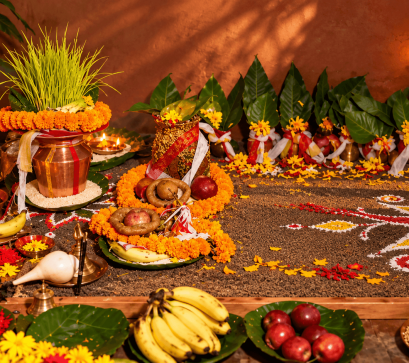
Instead of sacrificing animals, devotees may offer coconuts, pumpkins or gourds. These offerings symbolise the destruction of negative qualities such as anger, greed and pride.
For those embracing this approach, devotion is expressed through compassion and spiritual reflection while respecting the religious significance of Dashain.
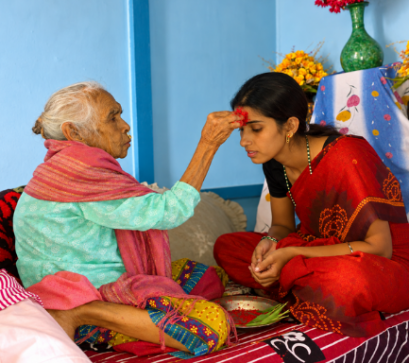
Receiving tika, jamara and dakshina from elders remains one of Dashain's most cherished traditions. However, physical banknotes are gradually being complemented by digital payments.
Platforms such as eSewa, Khalti and mobile banking services allow relatives to send dakshina instantly, even from abroad.
According to Nepal Rastra Bank data, QR-based payments reached Rs164.42 billion across 72.44 million transactions in the first month of fiscal year 2026/27, highlighting Nepal's expanding digital payment culture.
Although cash remains important during traditional family gatherings, digital dakshina offers convenience, reduces dependence on fresh banknotes and helps overseas Nepalis participate in festive giving.
Environmental awareness is also influencing how families celebrate Dashain.
Traditional sal-leaf plates, known as tapari and bota, offer biodegradable alternatives to disposable plastic plates during festive feasts.
Similarly, paper kites and cotton strings provide safer alternatives to plastic materials and hazardous glass-coated threads.
Families can also reduce food waste by preparing meals thoughtfully, choosing locally grown ingredients and avoiding unnecessary festive purchases.
These simple choices demonstrate that celebrating traditions and protecting the environment can go hand in hand.
Despite these modern changes, Dashain's emotional significance remains deeply rooted in Nepali society.
The excitement of bamboo swings, colourful kites, family gatherings and receiving elders' blessings continues to define the festival.
While smartphones may replace cash envelopes and symbolic offerings may replace traditional sacrifices in some households, the essence of Dashain remains unchanged.
Ultimately, modern Dashain is not about abandoning tradition but adapting it thoughtfully. By embracing compassion, digital connectivity and environmental responsibility, Nepal can preserve its cultural heritage while making its biggest festival more meaningful for future generations.