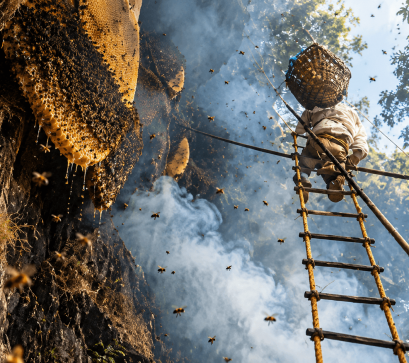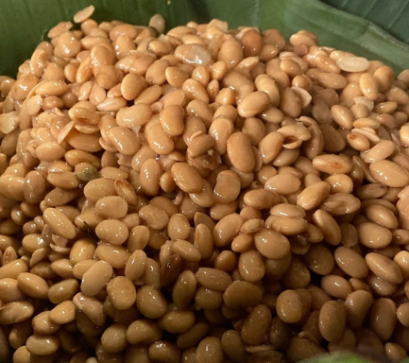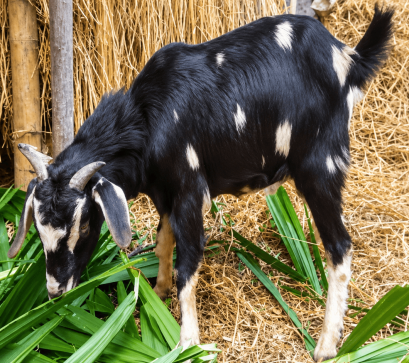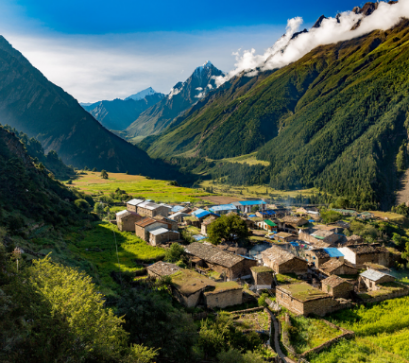
At Nepal's far northeastern edge near the Arun Valley, Kimathanka is wrapped in dense forest and deep green valleys. It sits far from any major highway, so few travelers ever arrive. Expect Rai and Sherpa hospitality, wild scenery, and deep calm. Check current access rules locally before you go.
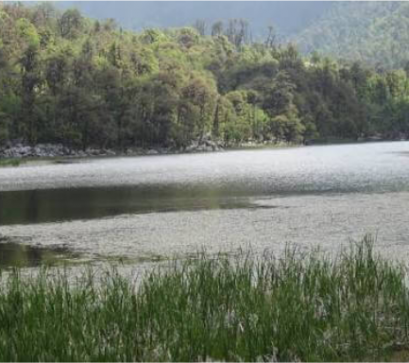
Ringmo rests at the edge of Sapphire Phoksundo Lake. Flat-roofed mud-brick homes, passing yak caravans, and the Bon Po faith, older than Tibetan Buddhism, shape daily life. No roads reach this far. Fly from Nepalgunj to Juphal, then trek for several days.
In Nepal's far-western corner, the wide Mahakali River is all that separates Darchula from India. Walk the suspension bridge, wander the hillside lanes, and meet the proud hill culture of the far west. Allow extra travel time, as the region is remote.
Near the Tibet and Sikkim borders, painted wooden Sherpa houses nestle among larch forests in a deep glacial valley. You can walk for days without meeting another trekker. Come in October or November for the clearest skies.
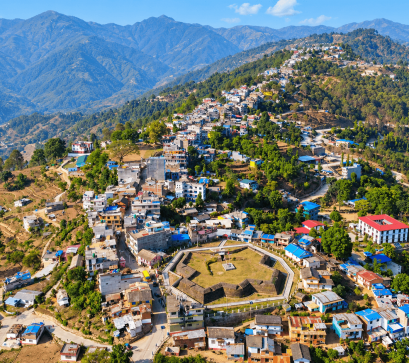
Generations once walked here to trade for salt and sugar. Today Koilabas is a calm border town beside India, with old ruins, a suspension bridge, and unhurried afternoons. Sit with a cup of tea and watch village life drift by. Easy by road from Ghorahi.
Draped over cool, foggy hills beside Darjeeling and West Bengal, Pashupatinagar is a slow market town of tea gardens and pine forest. Try the local chhurpi cheese, then stroll quiet hillside paths. Carry valid ID if you cross into India for the day.
Deep in the Limi Valley, Halji is among Nepal's most isolated communities. Its pride is Rinchenling Gompa, a monastery said to date to the 11th century, surrounded by vast stone landscapes and pure Tibetan culture. Fly to Simikot, then cross high passes. Allow plenty of time.
Whether you choose a demanding Himalayan trek or a gentle hill-town stay, these villages reveal a quieter Nepal. Travel slowly, sleep in local lodges, share meals with your hosts, and let the silence do the talking.