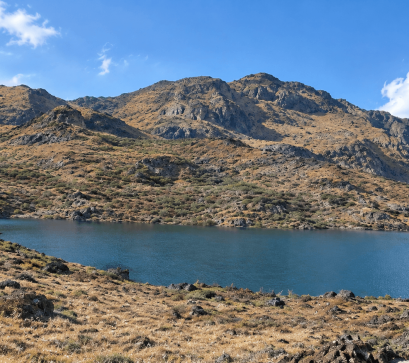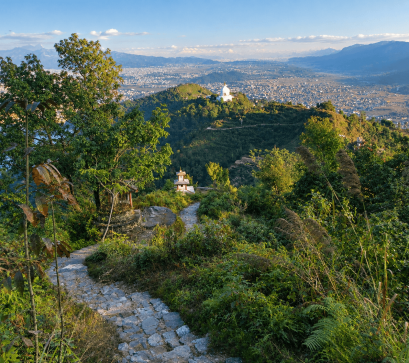
In the green hills of Khotang, between the Dudh Koshi and Sun Koshi rivers, lies a cave that three faiths call their own. Hindus know it as Halesi Mahadev. Buddhists call it Maratika. For the Kirat Rai people, it is the ancestral home of their forefathers. Few places in Nepal hold so many beliefs in one sacred space, and even fewer do it so peacefully.
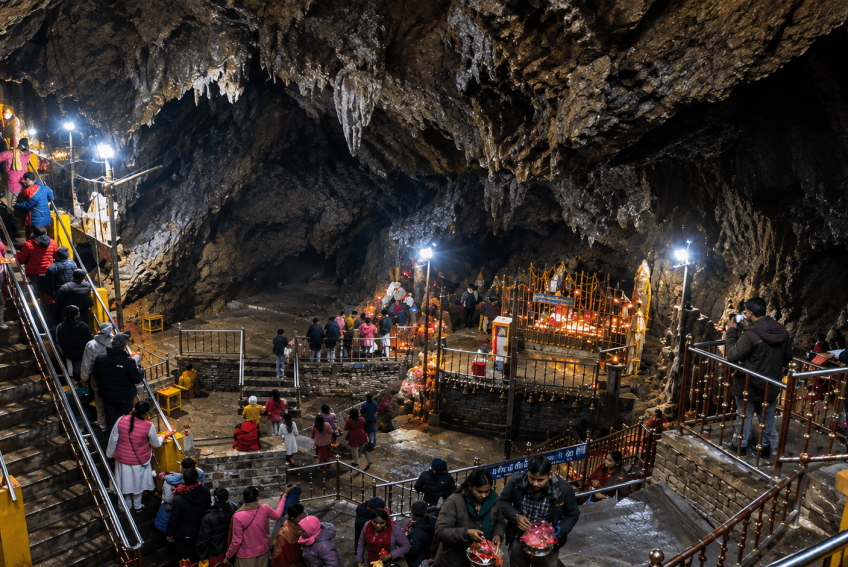
For Hindus, Halesi is where Lord Shiva hid from the demon Bhasmasur, who had been granted the power to turn anyone to ash with a touch of his hand. A natural Shiva Linga inside the cave draws thousands of devotees, and many call the site "the Pashupatinath of the East."
Buddhists tell a different story. Here, Guru Rinpoche (Padmasambhava) and his consort Mandarava practiced long-life meditation and are said to have attained immortality through the blessings of Buddha Amitayus. Because of this, Maratika is counted among the holiest sites in Vajrayana Buddhism, and practitioners still come to pray for health and a longer life.
The Kirat Rai community holds the oldest claim. Their oral tradition, the Mundhum, says their ancestor Raichhakule, also called Hetchhakuppa or Khokchilipa, once lived inside the cave. Kirati priests led worship here long before 1804, when King Girvan Yuddha Bikram Shah appointed a Hindu priest and Shaiva worship became formally established.
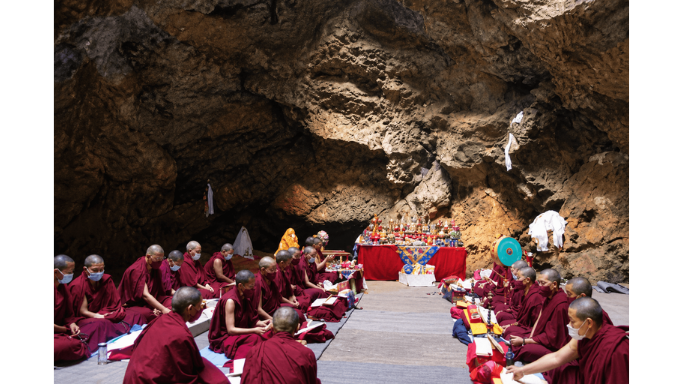
The main cavern sits about 67 feet below the surface, with a half-moon entrance facing east. Inside are several smaller chambers with names like Swargadwar (Gate of Heaven), Paapdwar (Gate of Sin) and Dharmadwar (Gate of Religion). Pilgrims squeeze through these narrow passages as a symbolic test of their karma. In the Basaha Cave, visitors can look straight up and see the sky through an opening in the rock.
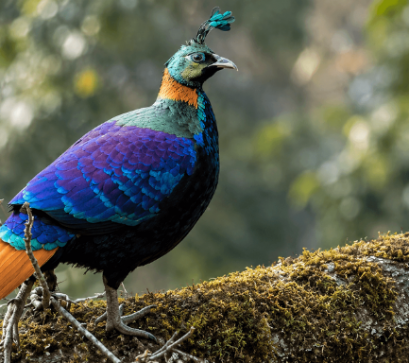
Locals say a Rai hunter discovered the cave long ago while chasing a deer. His dog followed it into the bushes and never came back. When the villagers went searching, they found the cave and a Shiva Linga wrapped by a snake. Another story says the name comes from a bird called "Halesho" that used to sing from a tree above the cave.
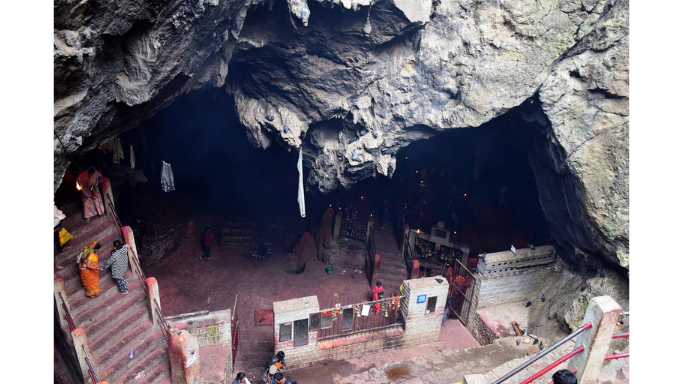
The site gets busiest during Maha Shivaratri, Ram Navami and Bala Chaturdashi, when pilgrims from across Nepal and India fill the hills.
Halesi is roughly 220 to 325 km from Kathmandu, depending on the route. A jeep ride via Dhulikhel, Sindhuli and Okhaldhunga takes 8 to 12 hours on winding hill roads. Flights to Lamidanda Airport are irregular, and chartered helicopters can reach the site in about two hours.
The local municipality has proposed a Halesi Cultural Circuit to link nearby caves, historic places and landscapes, hoping visitors will stay longer and support the local economy. Whether you come to pray, meditate or simply see where three faiths meet, Halesi leaves a lasting impression.
.png)