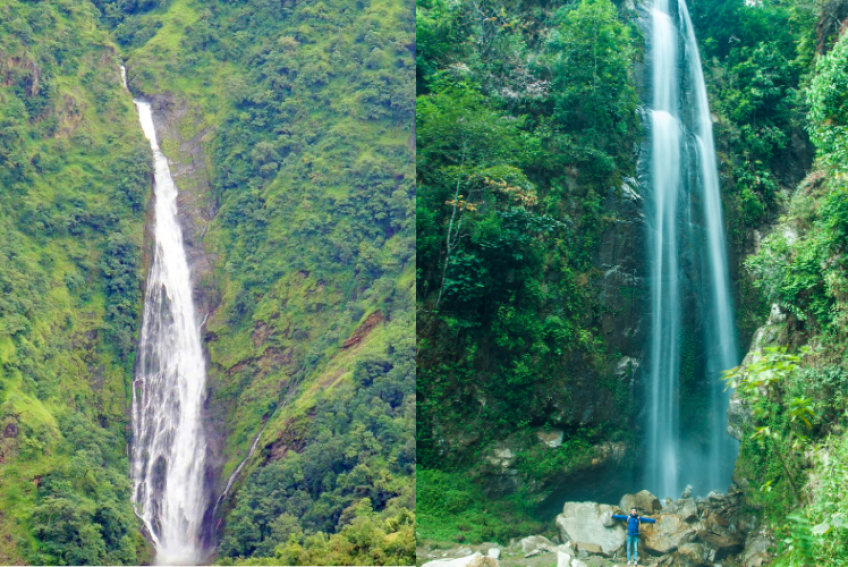
Monsoon (June to early September) is when Nepal's waterfalls hit their peak. Rivers swell with rain, and falls that trickle for most of the year turn into full-throated cascades. This is the season to see Rupse Fall at its most dramatic, or to catch smaller seasonal falls around the Kathmandu Valley rim that barely exist in the dry months. The tradeoff is footing. Trails get slick, leeches are common in forested stretches, and landslides can close roads without warning. If you go during monsoon, build a buffer day into your itinerary and check road conditions the morning you travel.
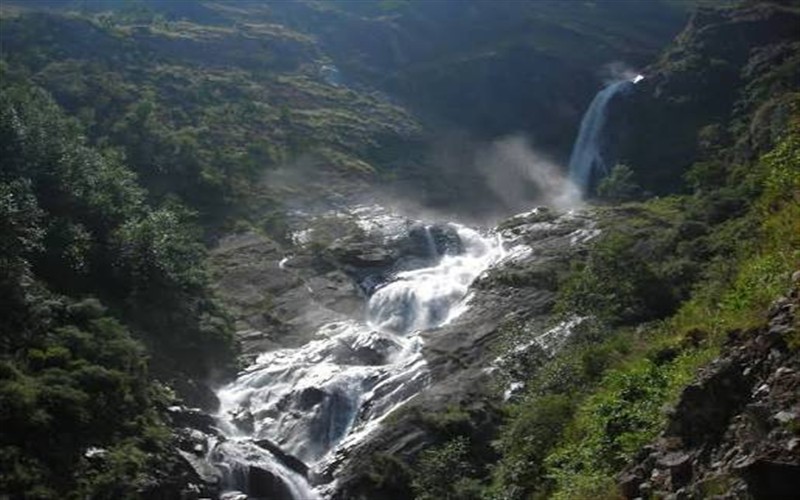
Post-monsoon (late September to November) is arguably the sweet spot. Water levels stay strong from the retreating rains, skies clear up for photography, and trails firm up again. Places like Jalbire Canyon, where canyoning depends on manageable water flow, tend to run their adventure programs most reliably in this window. Visibility toward the mountains behind the falls is also at its best.
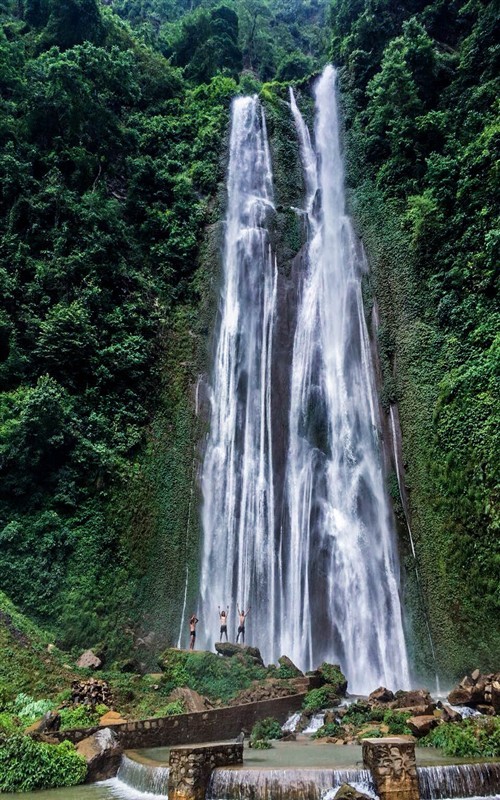
Winter (December to February) brings the lowest water volume. Falls thin out and some smaller ones nearly dry up, but this is when access is easiest and crowds are thinnest. It suits travellers who want a quiet, unhurried walk more than a dramatic photograph. Cold mornings at higher elevation spots mean warm layers are worth packing even for short day hikes.
Pre-monsoon (March to May) sits in between. Snowmelt from higher elevations feeds some rivers, giving certain falls a second, smaller peak before the rains arrive. Days are longer and generally dry, which makes this a comfortable window for combining a waterfall visit with other stops nearby.
.jpg)
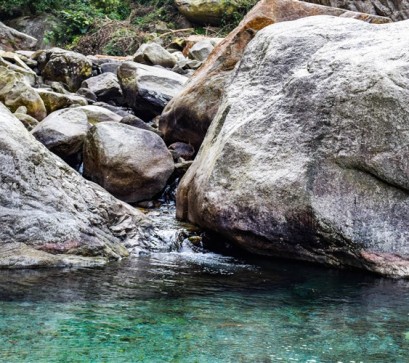
A few practical notes hold true across seasons. Natural pools at the base of waterfalls can have strong undercurrents even when the surface looks calm, so treat swimming spots with caution regardless of month. Waterfalls near Kathmandu Valley, sitting at lower elevation, tend to stay accessible for a longer stretch of the year than falls further west, where winter cold and monsoon landslides both narrow the safe window. Roadside falls, such as those along the Beni-Jomsom highway, remain viewable year round since they need no separate hike to reach.
Photographers should weigh timing with extra care. Monsoon delivers the most water but the flattest light, with overcast skies muting colour and contrast. Post-monsoon mornings tend to pair strong flow with clear air, letting both the falls and the mountains behind them stand out, which is why late September through November is usually the better window for photographs over sheer volume.
There is no single correct month to see Nepal's waterfalls. It depends on whether the goal is volume and drama, clear photographs, or a quiet, easy visit, and matching the season to that goal makes the difference between a good trip and a great one.
Picture Credits: Wikimedia Commons

.jpg)
.jpg)