

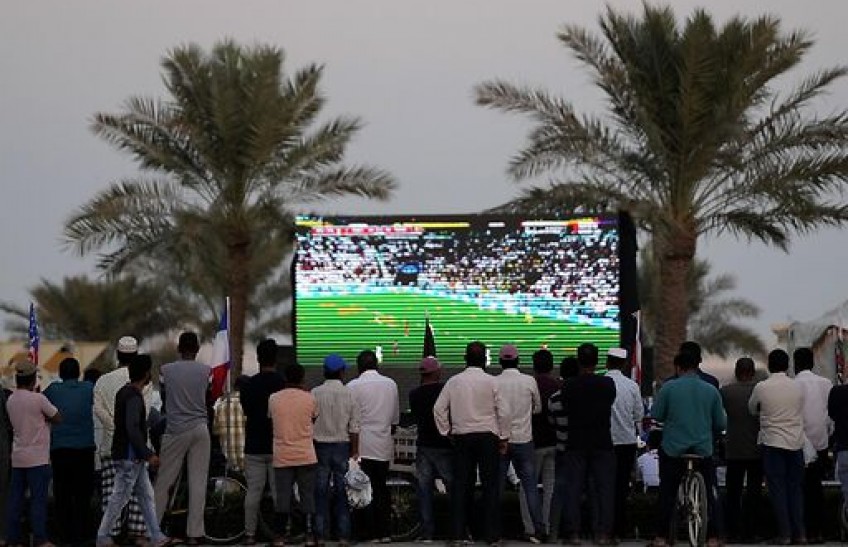
 Source::AP news
The winding cobbled alleys of Souq Waqif create a labyrinthine bazaar stuffed with dozens of small stores hawking spices and perfumes, scented oils, silk scarves, shimmering crystal chandeliers, and glittering jewelry.
The Qatari capital’s oldest souq also features shisha lounges, antique stores, art galleries, restaurants, and a stop where shoppers can have a falcon the national bird of this small Arab country jutting out into the Persian Gulf, sitting on their arms.
Qatar was once a dust-blown pearling port transformed into an ultra-modern hub following its 1990s natural gas boom when expatriates, Western consultants and engineers, and low-paid South Asian construction workers and cleaners poured into the country.
The 1.2 million visitors expected during the World Cup in energy-rich Qatar can sample the daily life of the 350,000 residents through a variety of tourist attractions and everyday activities.
The beaches have golden sand and shallow, warm turquoise waters. Qatar has over 560 kilometers (348 miles) of coastline and Al Maroona is the most popular beach.
Take a casual stroll down the Doha Corniche, a seven-kilometer (more than four-mile) crescent walkway around Doha Bay that stretches from the pyramid-shaped Sheraton Hotel at the northern end to the Museum of Islamic Art at the south. In between are restaurants, clubs, parks and cultural attractions along the promenade overlooking the waterfront._AP news
Also Read
