

 Source::AP news
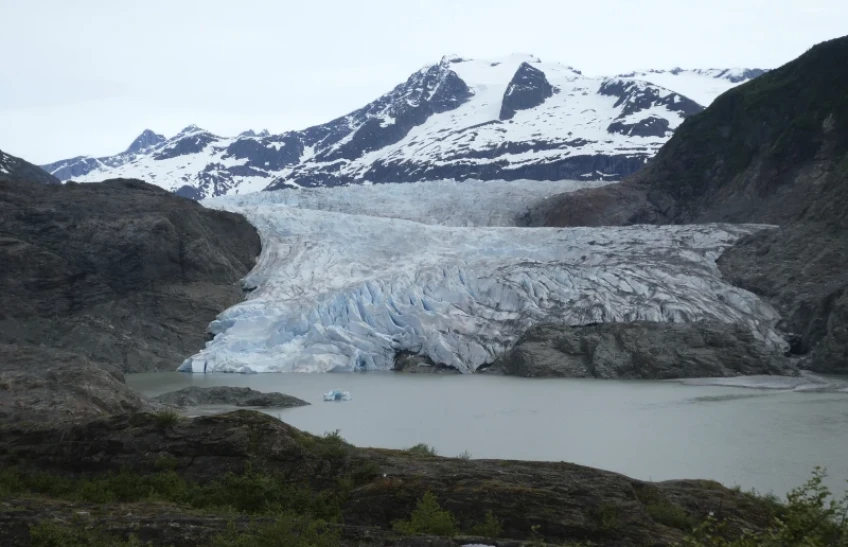
Alaska's capital city, Juneau, is experiencing a surge in tourism as thousands of tourists disembark from towering cruise ships, flooding the city's boardwalk every day. The main attraction is the breathtaking Mendenhall Glacier, which draws visitors from all over the world. However, this natural wonder is facing an existential threat due to climate change.
The Mendenhall Glacier is receding at an alarming rate, with estimates suggesting that by 2050, it may no longer be visible from the visitor center. As the glacier melts, it poses challenges for managing the growing number of visitors and preserving the pristine environment that tourists come to experience. The city's tourism manager, Alexandra Pierce, emphasizes the need to focus on reducing environmental impacts and preserving the natural beauty for residents and visitors alike.
The glacier has already receded significantly, with markers along trails indicating its past position. Most of the ice loss is attributed to warming temperatures, causing thinning and retreat from the lake that once bore its name. Scientists are studying the effects on the ecosystem, particularly on salmon habitat.
The city and cruise industry have reached an agreement to limit the number of ships arriving next year, and officials are contemplating ways to manage the increasing number of visitors over the next three decades. The Tongass National Forest, where the Mendenhall Glacier Recreation Area falls, plans to develop new trails, parking areas, additional visitor centers, and public-use cabins at a lakeside campground to accommodate the expected influx of tourists.
While the glacier is currently the major attraction, there are concerns about its long-term visibility. Officials are considering the future viability of popular sites like the Begich and Boggs Visitor Center, which once offered views of the Portage Glacier but now only captures a small sliver of it. This shift raises questions about how to keep such centers relevant when their original purpose is no longer fully attainable.
Rangers at Mendenhall actively engage with visitors about climate change, aiming to inspire hope and action. However, the number of cruise passengers is set to rebound this year, creating challenges for managing the crowds and maintaining a sustainable tourism industry. Discussions are underway to explore what a sustainable tourism model should look like for southeast Alaska.
In the neighboring town of Sitka, the recent influx of cruise passengers has exceeded the local population, causing strain on businesses and infrastructure, prompting a broader debate on responsible tourism.
As the Mendenhall Glacier continues to recede, humans, plants, and animals will need time to adapt to the changing landscape. The delicate balance between tourism and environmental preservation requires careful planning and consideration for the future. Many residents and experts recognize the importance of finding a sustainable approach to tourism that respects the environment and ensures that future generations can also enjoy the wonders of Alaska's natural beauty._Apnews
Also Read