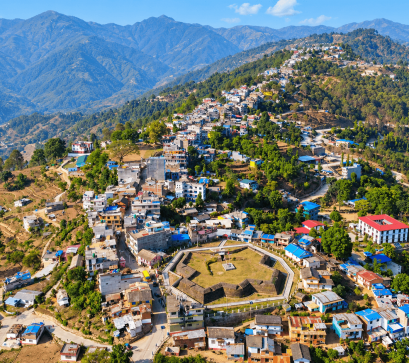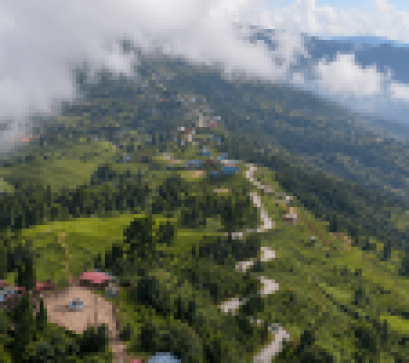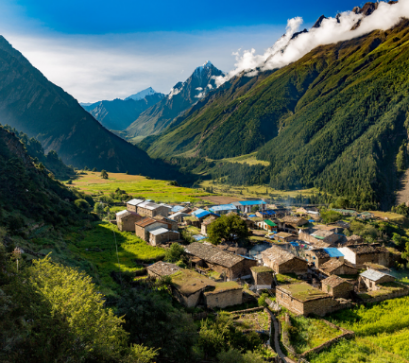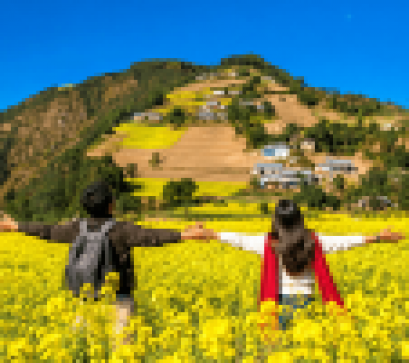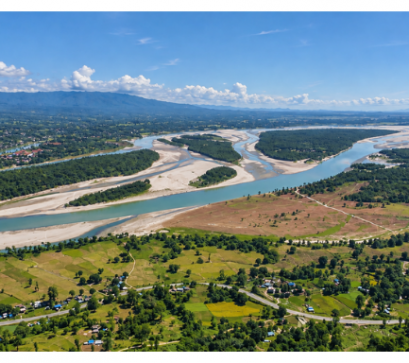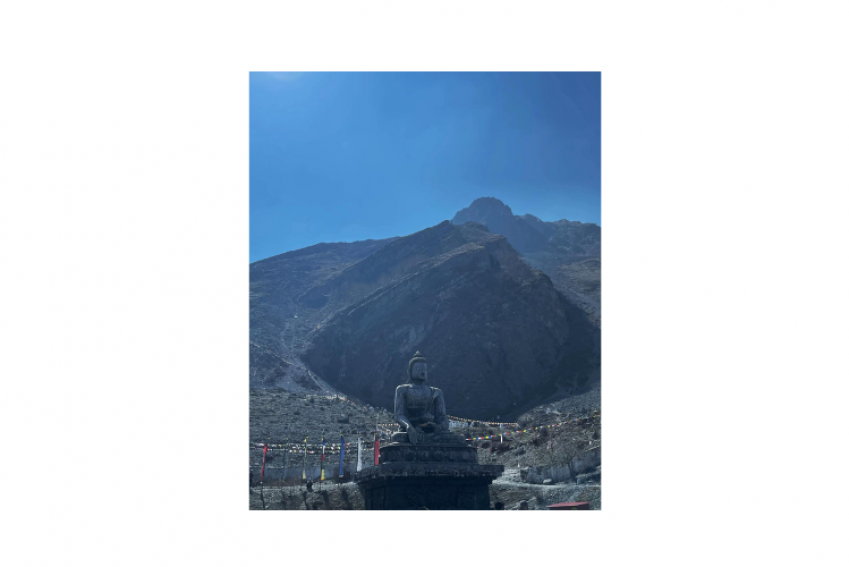
Mustang District is a remote and scenic region in northern Nepal, located in the trans-Himalayan area bordering Tibet. It is known for its dramatic desert-like mountains, deep valleys, and ancient Tibetan-influenced culture. The district is home to historic monasteries, traditional villages, and the once-restricted Kingdom of Lo, making it one of Nepal’s most unique and culturally rich destinations.Mustang is also famous for its unique landscapes: deep canyons, wind-eroded cliffs, red rock formations, and high-altitude plateaus. The Kali Gandaki Gorge, one of the deepest gorges in the world, runs through the region.Today, tourism is carefully regulated, especially in Upper Mustang, requiring special permits. This limited access has helped preserve its ancient culture and environment, making it one of the most distinctive and culturally rich trekking destinations in Nepal.
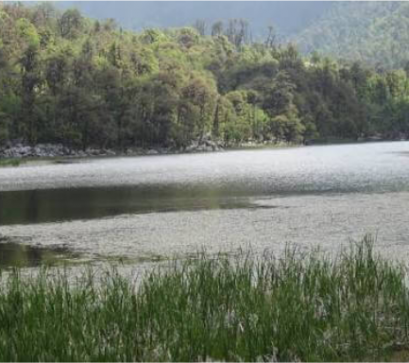
The remoteness and isolated location of Mustang have not discouraged travelers from visiting this magnificent place. Almost everyone from the country knows the place and is a dream destination. It is visited by thousands of tourists yearly. They pay a visit to Mustang, to see its beautiful landscape, monasteries, mountains, lakes, to walk on trails leading to jaw-dropping destinations, caves, ever-flowing rivers and gorge, religious places.
Mustang is a unique and remote region in northern Nepal known for its dramatic Himalayan landscapes and rich Tibetan-influenced culture. It is divided into Upper and Lower Mustang, with Upper Mustang being a restricted area that preserves ancient traditions and historical settlements. The region’s most famous destination is Lo Manthang, an ancient walled capital filled with monasteries, royal heritage sites, and traditional stone houses. Other important places include Muktinath Temple, a sacred site for both Hindus and Buddhists, and Jomsom, a key trekking hub and gateway to the region. The area is also known for villages like Kagbeni and Dhakmar, ancient cave systems such as Chhoser Caves, and deep river valleys like the Kali Gandaki Gorge. With its desert-like terrain, strong winds, and preserved culture.
LO MANTHANG
Lo Manthang is a major attraction and the best place to see in mustang. Lo Manthang is the capital city of the hidden Tibetan Kingdom situated in Nepal. Lo Manthang features the King’s Palace and many monasteries built in the early 15th century that is being restored by art historians Europe. The village is noted for its tall whitewashed mud-brick walls, gompas and the Royal or King's Palace. There are four major temples: Choprang Gompa also known as ‘New Gompa’; Chodey Gompa, main city gompa; Thunchen Gompa and oldest among all Jampa Gompa.
MUKTINATH TEMPLE
Muktinath Temple is a highly sacred pilgrimage site located in the Mustang region of Nepal at an altitude of about 3,800 meters in the Himalayas. It is considered holy by both Hindus and Buddhists, making it a rare and important symbol of religious harmony. Hindus believe the temple is a place of salvation (moksha), dedicated to Lord Vishnu, while Buddhists associate it with Guru Rinpoche (Padmasambhava) and the spiritual journey toward enlightenment. The temple complex is famous for its 108 water spouts, where pilgrims bathe to cleanse sins, and an eternal flame that burns naturally from underground gas, symbolizing divine presence. Surrounded by snow-capped peaks and dramatic mountain landscapes, Muktinath is not only a spiritual destination but also a breathtaking Himalayan experience.
JOMSOM
Jomsom is the administrative center of the Mustang district in northern Nepal and a major gateway for travelers exploring the Himalayas. It lies in the Kali Gandaki Valley at an altitude of about 2,700 meters and is known for its strong, dry winds that blow through the valley each afternoon. Jomsom serves as an important trekking and transport hub, connecting routes to destinations like Muktinath, Kagbeni, and Upper Mustang.
Mustang has a cold, dry, high-altitude desert climate because it lies in the rain shadow of the Annapurna and Dhaulagiri mountain ranges. This means it receives very little rainfall throughout the year compared to other parts of Nepal.Summers in Mustang are short and mild during the day, but nights remain cool. Winters are long, harsh, and extremely cold, especially in Upper Mustang, where temperatures can drop well below freezing and heavy snowfall may block access. The air is dry, and strong winds are common in the afternoons, particularly in the Kali Gandaki Valley around places like Jomsom.
LIFESTYLE