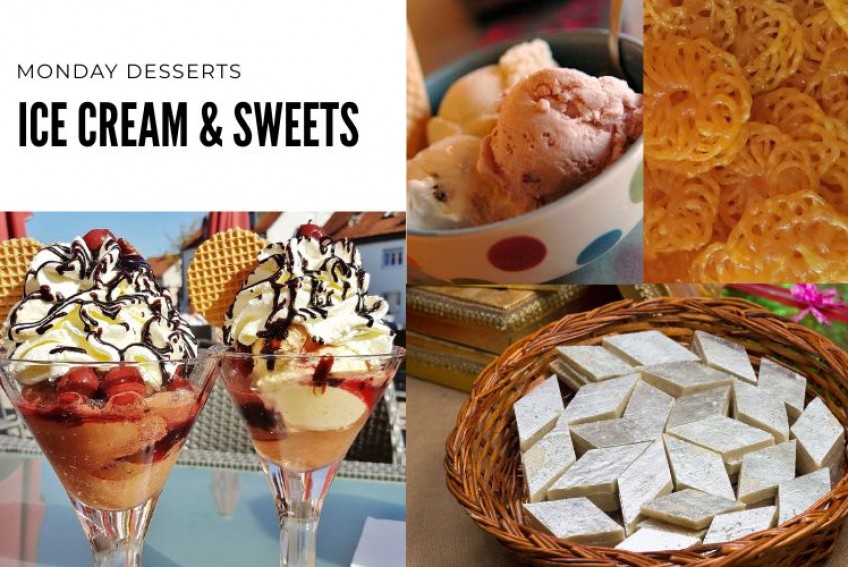
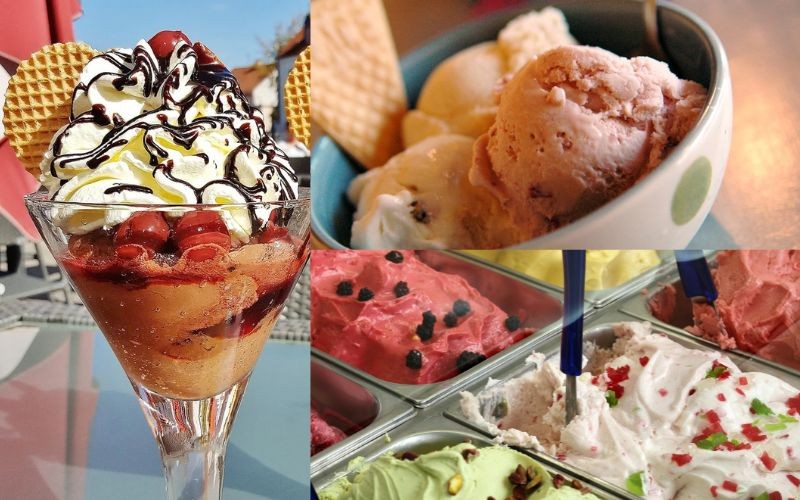
Nepal’s dessert landscape is evolving, shaped by a balance between long-standing traditions and a growing cafe culture. While traditional sweets remain central to everyday life and festivals, ice cream has steadily gained popularity as an accessible, modern indulgence across urban centres.
This shift reflects changing consumer habits, particularly in cities like Kathmandu and Lalitpur, where cafes and dessert outlets continue to expand.
Traditional Foundations
Nepal’s sweet culture is rooted in traditional foods that are widely consumed during festivals and social occasions. Popular examples include:
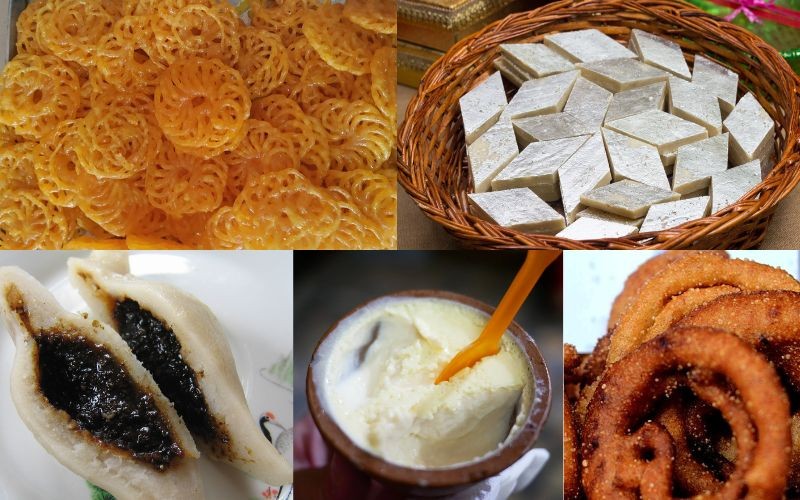
These items remain widely available and continue to define the country’s dessert identity, particularly outside of cafe settings.
Growth of Ice Cream Culture
Ice cream in Nepal has transitioned from a seasonal treat to a year-round offering. It is now commonly found in:
The market includes both local and international brands. Examples include Silk Artisanal Creamery, Froyo Nepal, Baskin Robbins, Sweet Fix, and Annie’s Ice Cream Cafe. These outlets contribute to the category, but the broader trend is the increasing integration of ice cream into Nepal’s food culture.
Current Market Trends
Ice cream and dessert consumption in Nepal is being shaped by a few key trends:
Areas such as Jhamsikhel, Thamel, and Patan have become key locations for dessert-oriented cafes.
Beyond Kathmandu
The demand for ice cream and modern desserts is expanding beyond the capital. In Pokhara and other tourist hubs, dessert cafes are incorporating ice cream into their menus to cater to both domestic and international visitors.
Nepal’s dessert sector continues to grow with a dual structure:
Rather than replacing traditional options, ice cream is complementing them, contributing to a more diverse and accessible dessert landscape.
Pexels, PICRYL, Wikimedia Commons
Also Read


.png)