While many travellers recognise Gyalpo Lhosar as the King’s New Year celebrated by Sherpa, Tamang, Bhutia, and Yolmo communities in Nepal, the festival holds layers of meaning that extend far beyond public festivities. Rooted in ancient tradition and shaped by Himalayan life, it remains one of Nepal’s most culturally significant winter celebrations.
Here are some lesser-known insights into this remarkable occasion:
1. Ancient Roots Beyond Buddhism
Gyalpo Lhosar traces elements of its origins to Tibet’s pre-Buddhist Bon tradition, which existed before Buddhism spread widely across the Himalayan region. Early observances were closely linked to winter incense-burning rituals intended to honour mountain deities and local spirits.
2. Preparations Begin Well in Advance
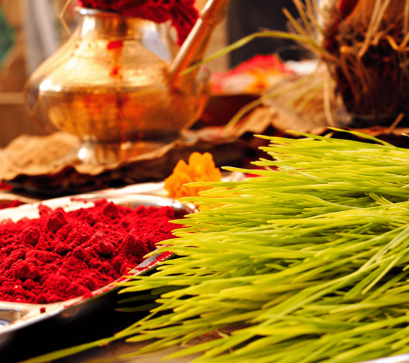
Although the New Year celebrations span several days, preparations often begin earlier. Homes are traditionally cleaned to symbolically clear away misfortune from the old year, while the final days are often marked by prayers and purification rituals.
3. Guthuk: A New Year’s Eve Tradition
On the eve of Lhosar, many families prepare Guthuk, a special noodle soup with symbolic dough balls. Hidden items inside such as chillies, charcoal or wool are revealed playfully, with each object traditionally thought to represent a particular personality trait of the person who finds it, blending humour with reflection as the year turns.
4. Butter Sculptures and Monastery Offerings
In monasteries, intricate butter sculptures made from yak butter and roasted barley flour (tsampa) known as torma are crafted as ceremonial offerings. Their temporary nature, eventually melting or being ritually dismantled is often associated with Buddhist teachings on impermanence.

5. The First Day is Often for Family
In many households, the first day of Gyalpo Lhosar is reserved for family. Elders are honoured, prayers are offered at home shrines, and celebrations may begin privately before visits to monasteries and wider community gatherings.
6. Renewing Prayer Flags
During Lhosar, many families choose to raise fresh prayer flags. Replacing old flags is widely seen as a symbol of renewal, with blessings carried outward on the Himalayan wind.
7. Guided by the Tibetan Lunar Calendar
Unlike the Gregorian New Year, Gyalpo Lhosar is determined astrologically through the Tibetan lunar calendar. Each year corresponds to one of twelve animal signs combined with one of five elements, forming a 60-year cyclical system known as Rabjung.
8. The Meaning of “Gyalpo”
The word “Gyalpo” translates to “king” in Tibetan, reflecting historical associations with the era of Tibetan kings. This distinguishes Gyalpo Lhosar from other Lhosar celebrations in Nepal, such as Sonam Lhosar and Tamu Lhosar, observed by different communities.
9. A Seasonal and Spiritual Transition
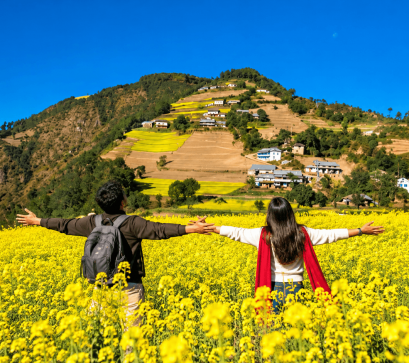
Beyond marking the lunar new year, Gyalpo Lhosar traditionally signals the end of winter and the gradual arrival of spring; a profound seasonal transition for pastoral and high-altitude Himalayan life.
10. A Festival of Renewal
At its heart, Gyalpo Lhosar represents renewal: releasing past negativity, strengthening communal bonds, and beginning the year with clarity, gratitude and intention.
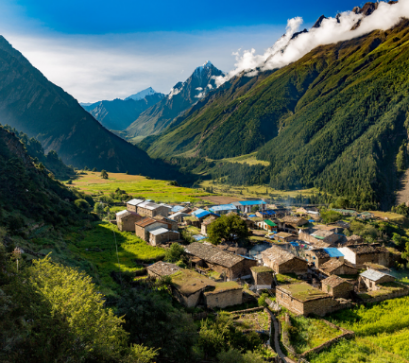
In Nepal’s richly diverse cultural landscape, Gyalpo Lhosar remains a vibrant expression of Himalayan heritage blending ancient ritual, family devotion and community joy beneath the enduring presence of the mountains.
PC: Wikimedia Commons
Also Read