

The Everest Base Camp Trek is one of the most renowned and sought-after journeys on earth. Located in the heart of the Himalayas, the trek transports travelers through awe-inspiring landscapes, quaint Sherpa villages, and high-altitude mountain trails that snake their way to the foot of the world's tallest mountain Mount Everest (8,848.86m). For all those who have ever wished to walk in the footsteps of legendary mountaineers and witness up close the grandeur of the world's highest mountains, the Everest Base Camp Trek is a lifetime experience.
This is not a destination trek like so many others—it is about the journey itself. From the thrill of the Lukla mountain flight to the bustling Sherpa capital of Namche Bazaar, from the spiritual peace of Tengboche Monastery to the harsh icy expanse of the Khumbu Glacier, every step is filled with wonder and meaning. The trek combines adventure, culture, and natural beauty in a way that very few other trails on the planet can.
What is the Everest Base Camp Trek?
The Everest Base Camp Trek or the EBC Trek is a high-altitude trekking route to the southern base camp of Mount Everest in Nepal. The base camp is at an altitude of 5,364 meters (17,598 ft) and serves as the takeoff point for mountaineers attempting to climb the highest mountain in the world.
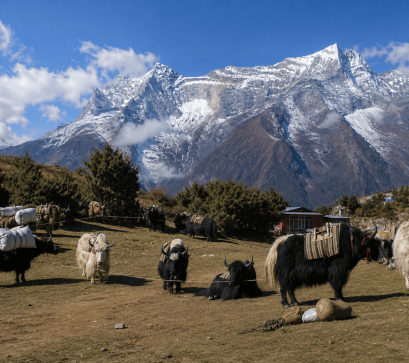
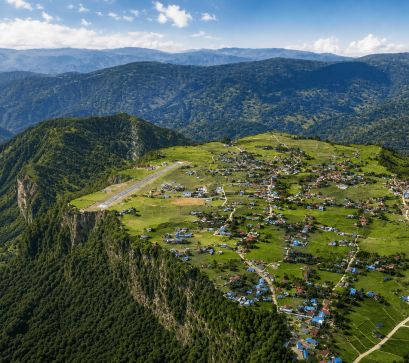
The hike begins with a short but breathtaking flight to Lukla, a mountain airstrip on the side of a hill at 2,840 meters. From there, trekkers follow ancient trading trails through pine and rhododendron forests, rickety suspension bridges over raging rivers, and gradually upward along the Khumbu Valley. Along the way, they travel through busy Sherpa villages, Buddhist monasteries decorated with vibrant prayer flags, and breathtaking mountain vistas.
The culmination point of the trek is achieved when you are at Everest Base Camp, gazing out at the extensive Khumbu Icefall and towering peaks presiding over the camp. Yet, for a majority of trekkers, the most breathtaking moment is attained a day later with the climb of Kala Patthar (5,555m) a vantage point that offers unparalleled sunrise views of Everest and the surrounding giants.

Why do the Everest Base Camp Trek?
The World's Most Iconic Trek
The Everest Base Camp Trek is perhaps the most famous trekking route in the world. There is a certain prestige and sense of accomplishment that is associated with it, and it attracts adventurers from across the globe. Being able to say that you have trekked to Everest's base is to join an elite club of explorers and dreamers.
Sherpa Culture and Spirituality
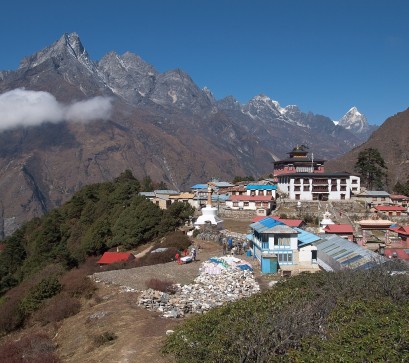
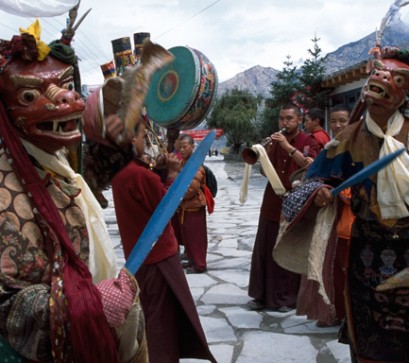
The Khumbu region is populated by the Sherpas, who are renowned for their mountaineering skills and their deeply felt Buddhist faith. As you trek through villages like Namche, Khumjung, and Pangboche, you'll notice prayer wheels spinning, mani walls inscribed with mantras, and centuries-old monasteries. The spiritual hub of the trek is Tengboche Monastery, where trekkers traditionally halt to receive blessings for a safe journey.
Breathtaking Himalayan views
There are few places on earth with such breathtaking scenery. From the stark beauty of Ama Dablam to the massive bulk of Lhotse and Nuptse, the scenery is continually changing and always spectacular. On a clear day, four of the world's six highest peaks: Everest, Lhotse, Makalu, and Cho Oyu are visible. The sunrise from Kala Patthar is commonly described as the most spectacular mountain view in the world.
Adventure with Comfort
Unlike extremely remote treks, the EBC trail is well developed with tea houses and lodges in which trekkers can enjoy hot meals, comfortable beds, and even Wi-Fi in most places. This combination of high adventure and relative comfort makes the trek more accessible to more people while still offering a true Himalayan experience.

Everest Base Camp Trek Route
Detailed Everest Base Camp Trek Itinerary (14 Days)
While itineraries can vary, the classic EBC trek usually lasts 12 to 14 days, depending on acclimatization and side trips. Here is a sample detailed itinerary by Himalayan Hero Adventures
Day 1: Kathmandu (or Ramechhap in peak seasons) to Lukla (2,840m) flight. Trek to Phakding (2,610m) – 3 to 4 hours.
Day 2: Phakding to Namche Bazaar (3,440m) trek – 6 to 7 hours. Pass suspension bridges and enter Sagarmatha National Park.
Day 3: Acclimatization day in Namche. Visit Khumjung village, Everest View Hotel, and enjoy great panoramas.
Day 4: Trek from Namche to Tengboche (3,860m) – 5 to 6 hours. Visit Tengboche Monastery.
Day 5: Trek from Tengboche to Dingboche (4,410m) – 6 to 7 hours.
Day 6: Acclimatization day in Dingboche. Hike to Nagarjun Hill (5,100m) or Chhukung Valley (optional).
Day 7: Trek from Dingboche to Lobuche (4,940m) – 5 to 6 hours. Pass by memorials to Everest climbers.
Day 8: Trek from Lobuche to Gorakshep (5,164m). Continue to Everest Base Camp (5,364m) – 7 to 8 hours. Return to Gorakshep for overnight.
Day 9: Early morning climb to Kala Patthar (5,545m) for sunrise over Everest. Return to Pheriche (4,280m).
Day 10: Trek from Pheriche to Namche Bazaar – 6 to 7 hours.
Day 11: Trek from Namche to Lukla – 6 to 7 hours.
Day 12: Fly back to Kathmandu.
Note: Most trekkers also include extra buffer days to take into consideration flight delays or slow acclimatization.

Everest Base Camp Trek Cost
Additional Expenses to Consider:
You will require the following permits to trek to Everest Base Camp:
Both permits can be obtained in Monjo. Trekking agencies normally do it on behalf of trekkers.
TRIP HIGHTLIGHTS
Spring (March to May): Clear skies, warmer weather, rhododendron blooms. This is also the main climbing season, so Base Camp is crowded with expedition teams.
Autumn (September to November): Crisp air, stable weather, and excellent visibility. This is the best season for trekking.
Winter (December to February): Cold but clear. Fewer trekkers and quieter trails, though high passes can be icy.
Monsoon season (June to August): Rain, landslides, and poor visibility make it an unfavorable period. However, the lower areas are green and lush.
Difficulty Level and Fitness Preparation
Everest Base Camp Trek is graded as moderate to challenging. It does not involve technical climbing, but high altitude and long trekking days make it difficult.
Challenges:
Preparation tips:
Packing List Essentials
Packing is essential to comfort and safety:
The Everest Base Camp trek is lined with tea houses that provide trekkers with a warm bed and a hearty meal. The accommodations are simple, with twin beds and shared bathrooms. Tea houses at lower altitudes will have electricity and Wi-Fi, but at higher altitudes, the amenities become simpler.
Typical meals include:
Dal Bhat (rice, lentils, and vegetables) – filling and never-ending refills.
Noodles, fried rice, potatoes, and soups.
Pancakes, porridge, and eggs for breakfast. Tea, coffee, and hot lemon drinks.
Trekkers are encouraged to eat plenty of carbohydrates and 3–4 liters of water every day to stay energized and avoid altitude sickness. Respecting Culture and Environment The Everest region is both culturally sacred and environmentally fragile. Responsible trekking ensures that it remains intact for generations to come. Obtain permission before photographing people or religious symbols. Dress modestly when visiting villages and monasteries. Bring reusable water bottles to prevent plastic waste.
Conclusion – More Than Just a Trek
The Everest Base Camp Trek is not just a physical journey—it is a spiritual and emotional one. It takes trekkers from lush valleys to barren glacial vistas, from the hospitality of Sherpa friendship to the freezing winds of the high Himalayas.
To be at Base Camp, with Everest looming above you, is an experience of triumph and humility combined. It is a testament to human determination and the awesome power of nature. The memories of prayer flags flapping in the wind amidst snow-covered peaks, yak bells clinking in the valleys, and the sight of Everest in golden light at sunrise will remain etched in your memory forever.
Article by: Himalayan Hero Adventures
Email: info@himalayanhero.com
WhatSapp : +977981127073
PC: Flickr, Wikimedia Commons
Also Read

.jpg)
.jpg)