How Nepal Became Home to 8 of the World’s Highest Peaks

Friday Facts

10, Apr 2026 | nepaltraveller.com

Nepal didn’t simply “inherit” the world’s highest peaks—it was forged by tectonic collision, positioned at the epicentre of Himalayan uplift, and continues to rise even today.

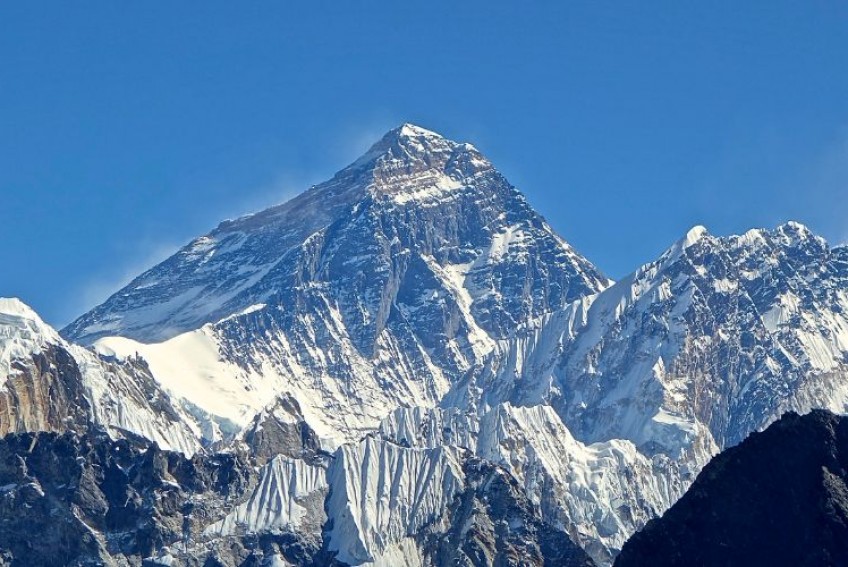
Tucked within the mighty Himalayas, Nepal holds a remarkable geographical distinction. It is home to 8 of the world’s 14 peaks that rise above 8,000 metres, commonly known as the “eight-thousanders.”
But how did one relatively small, landlocked country come to dominate the highest elevations on Earth? The answer lies in geology, geography, and deep time.


The Science Behind the Himalayas


Nepal’s towering peaks are the result of one of the most dramatic geological events in Earth’s history which is the collision of the Indian Plate and the Eurasian Plate around 50 million years ago. 

  • The Indian Plate moved northwards and crashed into Eurasia.
  • This collision caused the Earth’s crust to fold and rise.
  • The process is ongoing, meaning the Himalayas are still rising today.

This continuous uplift created the Himalayan mountain range, which hosts all of the world’s highest peaks.


Why Nepal Has So Many 8,000m Peaks


Nepal’s unique position along the central Himalaya places it at the heart of this mountain-building zone.

Key Reasons:

  • Geographical alignment: Nepal sits directly along the highest section of the Himalayas. 
  • Tectonic intensity: The strongest uplift occurred in this central region.
  • ​​​​​​​Mountain clustering: Several massive peaks formed close together rather than being spread out globally.

As a result, Nepal contains more than half of the world’s eight-thousanders: a concentration unmatched anywhere else. 


The Eight Highest Peaks in Nepal


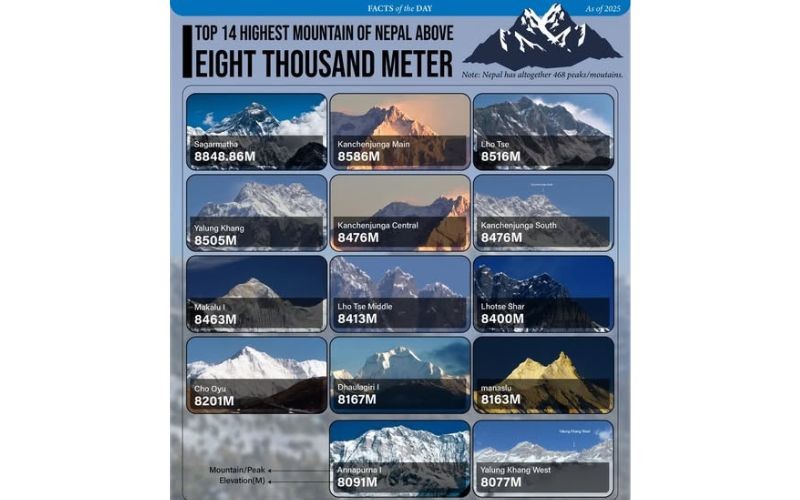
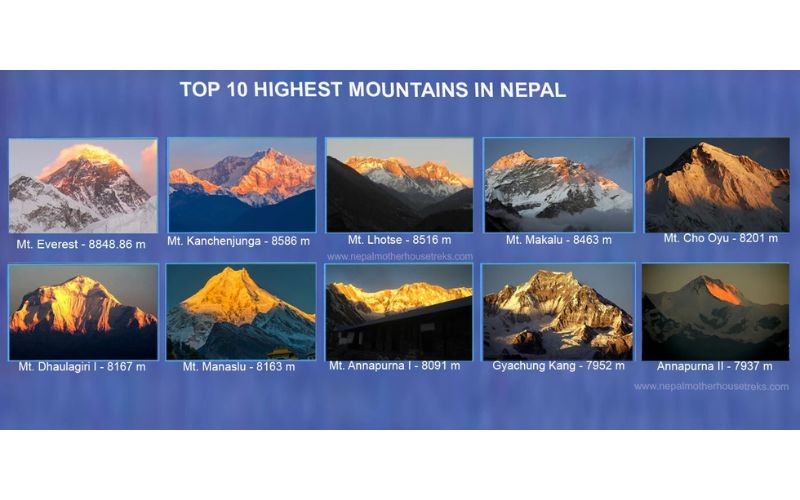
Here are the eight internationally recognised peaks above 8,000 metres in Nepal:

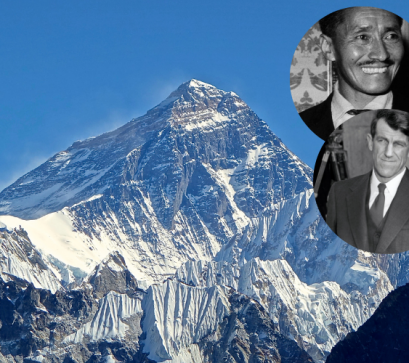
  • - Mount Everest (8,848.86 m) - The highest point on Earth
  • - Kanchenjunga (8,586 m) - The third-highest mountain
  • - Lhotse (8,516 m) - Connected to Everest via the South Col
  • - Makalu (8,485 m) - Known for its pyramid shape
  • - Cho Oyu (8,188 m) - Considered one of the more accessible 8,000ers
  • - Dhaulagiri I (8,167 m) - “The White Mountain”
  • - Manaslu (8,163 m) - The “Mountain of the Spirit”
  • - Annapurna I (8,091 m) - Known for its high fatality rate 

Globally, only 14 such peaks exist, highlighting Nepal’s extraordinary share.


A Living Landscape Still Rising


Unlike many ancient mountain systems, the Himalayas are geologically young and active.

  • The mountains continue to rise by a few millimetres each year due to ongoing tectonic pressure.
  • ​​​​​​​This also contributes to Nepal’s seismic activity and dramatic terrain.

This dynamic geology ensures that Nepal’s landscape is not just historic, but still evolving.

Cultural and Tourism Significance


Beyond geology, these peaks shape Nepal’s identity:

  • They influence climate and river systems across South Asia.
  • They sustain mountain communities and biodiversity.
  • ​​​​​​​They drive trekking and mountaineering tourism, forming the backbone of Nepal’s global travel appeal. 

From Everest Base Camp to the Annapurna Circuit, travellers encounter these giants not just as mountains, but as living cultural landscapes.


Friday Fact Takeaway


Nepal didn’t simply “inherit” the world’s highest peaks, it was forged by tectonic collision, positioned at the epicentre of Himalayan uplift, and continues to rise even today.

That is why this small Himalayan nation proudly stands as the home of 8 of the world’s highest mountains.

PC: FACTS , Nepal Mother House Treks


Also Read


Celebrate Nepali New Year 2083 with a Festive Buffet Night at Aloft Kathmandu Thamel

16th Annual Poker Run Nepal 2026 – Epic Ride from April 13–15 | Registration Open

Celebrate Nepali New Year 2083 at Royal Tulip Kathmandu with Exclusive Staycation & Festive Eve

Dattatreya Temple, Bhaktapur: A Quiet Masterpiece of Newar Craftsmanship

Where Can You Find the Best Street Food in Kathmandu?: Wednesday's Where

join our newsLetter

powered by : nepal traveller digital publication pvt. ltd

developed by : Web House Nepal