

 Source::
Kathmandu, Nepal - 30 March 2026
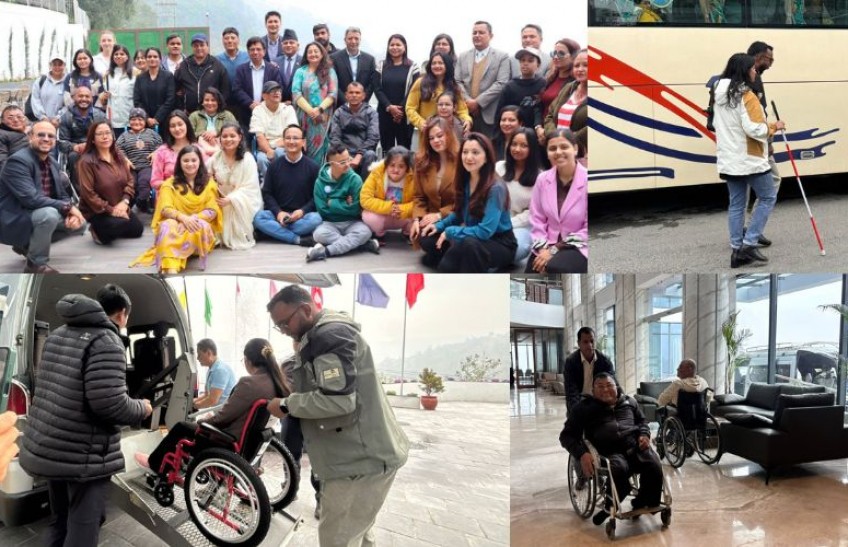
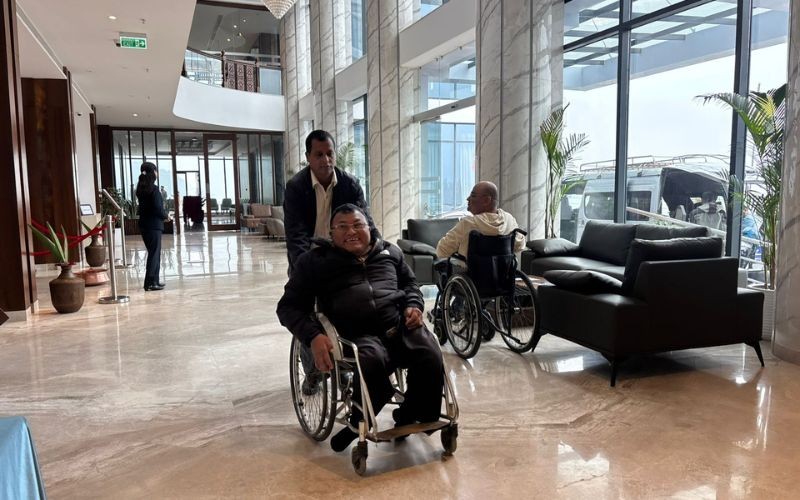
The 8th National Accessible Tourism Day 2026 was successfully concluded at Best Western Plus Godawari Resort on 30th March, 2026 from 9 AM to 1 PM, bringing together key stakeholders committed to advancing inclusive tourism across Nepal.
Organised by International Development Institute (IDI), Impact Adventure, and Spinal Injury Sangh Nepal (SISN), in partnership with Global Compact Nepal, Nepal Tourism Board (NTB), and Best Western Plus Godawari Resort, the event convened tourism practitioners, disability rights advocates, policymakers, and private sector representatives.

Held under the theme “Travel without Barriers: Designing a World for Everyone”, the programme envisioned a future where travel is recognised as a universal right: accessible to all regardless of ability, age, or circumstance.
A Platform for Dialogue and Inclusion
The event featured an opening session followed by a moderated panel discussion, creating space for both reflection and forward-looking dialogue. With over 50 participants from public, private, and civil society sectors, the gathering emphasised the importance of integrating lived experiences of persons with disabilities into Nepal’s tourism development agenda.
The programme opened with welcome remarks by Roshan Ghimire, Country Director of IDI, setting a purposeful tone. The keynote address was delivered by Kanak Mani Dixit, Founding Chairperson of SISN, who highlighted Nepal’s unique natural and cultural assets while underscoring the urgent need for accessible infrastructure.
He held up the concept of “WheelTrek” as an innovation born and named in Nepal, and called for urgent attention to foundational infrastructure, beginning with footpaths, extending through hotels and tourist destinations, and reaching airports and cultural heritage sites. He called for improvements across foundational infrastructure, including footpaths, hotels, airports, and heritage sites.

Key Insights from the Panel
The panel discussion brought together diverse perspectives from professionals and advocates with direct experience navigating Nepal’s tourism ecosystem.
Sagar Prasai, Director of Diverse Pattern, shared firsthand challenges faced by wheelchair users, including the lack of accessible accommodation, inadequate facilities, and limited information. He highlighted a critical gap between policy and implementation, noting that accessibility provisions often remain absent in practice.“We have laws but no implementation. We have been advocating for ramps for so long, and still they are hardly there.”
Isha Thapa, Executive Director of SISN, identified three major barriers: insufficient infrastructure, lack of accessible information and communication, and entrenched societal attitudes rooted in sympathy rather than inclusion. She stressed the need for holistic and consistent accessibility standards.
Sunil Sharma, Officiating Director at NTB, addressed challenges within heritage tourism, noting that many historic sites which were built centuries ago, were not designed with accessibility in mind. He called for dedicated budgets and stronger coordination with local governments to support inclusive infrastructure.

Pankaj Pradhananga, Founder and CEO of Impact Adventure, highlighted the development of South Asia’s first accessible trekking trail in Kaskikot, Pokhara. He emphasised three pillars for progress: infrastructure, communication, and a willingness to learn and adapt.
Closing Reflections
The event concluded with remarks by Krishna Bikram Shah, Executive Director of Global Compact Nepal, who reflected on the GCN’s evolving commitment to disability inclusion. He noted that while the organisation was established in 2000, its focused efforts in this area began in 2022. He said, “We might not be experts, but we believe in collaboration, and that is how we move forward.”
He reaffirmed that accessibility is no longer a peripheral concern but a core component of sustainable and responsible business practices, aligning with the broader mission of the UN Global Compact.
Moving Towards Inclusive Tourism
The 8th National Accessible Tourism Day 2026 highlighted both the growing momentum for inclusive tourism in Nepal and the challenges that remain. By bringing together cross-sector voices and centring lived experiences, organisers reinforced a shared commitment to building a tourism ecosystem that is accessible to all.
About the UN Global Compact
The United Nations Global Compact is the world’s largest corporate sustainability initiative, encouraging businesses to adopt responsible and sustainable policies. Global Compact Nepal serves as its local network, supporting organisations in aligning with global standards.
About the Organisations
Impact Adventure
A Nepal-based organisation focused on promoting responsible and inclusive tourism, enabling people of all abilities to experience the country’s natural and cultural heritage.
Spinal Injury Sangh Nepal
A leading disability rights organisation advocating for rehabilitation, inclusion, and accessible environments for persons with spinal injuries.
International Development Institute (IDI)
An organisation dedicated to advancing inclusive development through research, capacity building, and multi-stakeholder collaboration.
Also Read
