

Deeply rooted in the Tamang community of Nepal, Selo Nach - also known as Tamang Selo - is far more than a folk dance. It is a living expression of identity, memory and collective life, passed down through generations in the mid-hill regions surrounding the Kathmandu Valley, including Rasuwa, Nuwakot, Dhading, Sindhupalchok and Kavrepalanchok.
Origins and Cultural Significance
Selo Nach originates from the everyday social and ritual life of the Tamang people. Traditionally performed during Lhosar (Tamang New Year), weddings, harvest celebrations and communal gatherings, the dance is inseparable from Selo songs: oral verses that reflect love, migration, hardship, humour, social values and spiritual belief. These songs function as both oral history and cultural commentary, preserving Tamang worldview in lyrical form.
Dance and Music
Selo Nach is performed in circles or gentle lines, with dancers moving in unison through measured steps, subtle turns and rhythmic body movement. Unlike many Nepali folk dances, its rhythm is driven primarily by the damphu, a traditional Tamang frame drum believed, according to oral tradition, to have been created by King Peng Dorje. The damphu sets the pulse of the performance, accompanied by vocals rather than a large instrumental ensemble.

Costume and Visual Expression
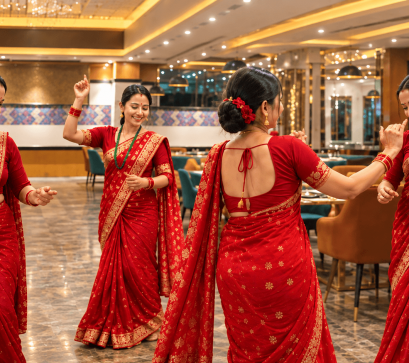
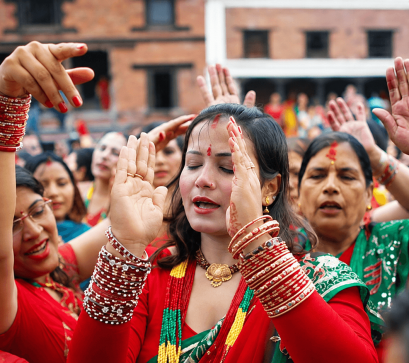
Costume plays a vital role in the dance’s visual language. Women typically wear traditional Tamang attire, including patterned skirts, blouses and distinctive silver or bead jewellery, while men wear simple traditional dress suited to hill life. The emphasis is not on grandeur but on cultural authenticity and communal participation, reinforcing the dance’s social nature.
Despite urbanisation and cultural change, Selo Nach remains a cornerstone of Tamang identity and Nepal’s intangible cultural heritage. Its endurance lies in its adaptability: performed both in rural villages and cultural festivals, while maintaining its original spirit of togetherness.
Performed beneath open skies during Lhosar or within the warmth of a village gathering, Selo Nach continues to resonate with cultural pride, rhythm and human connection; a tradition not staged for spectacle, but lived.
Also Read



 (1).png)
