Anyone driving between Kathmandu and Terai knows Hetauda as the point where the East-West Highway meets the Tribhuvan Highway, a place to stop for food before moving on. That reputation misses most of the city.
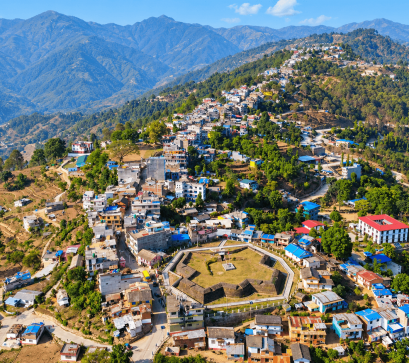
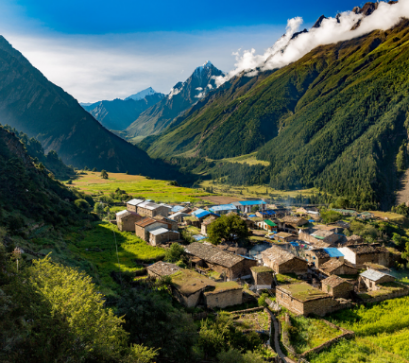
Hetauda became the capital of Bagmati Province in January 2020, when 105 of 110 provincial assembly members voted for it. It sits in a valley between the Chure Hills and the Mahabharat Range, with a population that reached 193,576 at the 2021 census. Locals call it the Green City, and once you step off the highway corridor, the name makes sense.
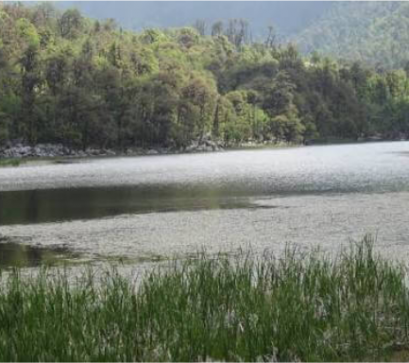
The valley location shapes the local climate and landscape. The East Rapti River, the Karra River, and the Kukhreni Khola all run through the city, and their banks stay cooler than the roadside areas, which is why locals gather along the Rapti in the evening to watch the sun set behind the Chure Hills.
The surrounding hills carry sub-tropical forest typical of the inner Terai, with pine and sal covering the slopes around Churia Hill and Gumba Danda. Both offer walking routes up to wide views over the valley, and the air noticeably cools and clears the higher you go.
Martyr Memorial Park, completed in 1994, is the most visited green space in the city. It combines stone sculptures of national martyrs carved directly into the natural rock with a small zoo housing animals from monkeys to leopards, plus walking trails and a swimming pool. It functions as both a memorial site and the city's main picnic spot.
Local culture here sits between the hills and the plains, and that mix shows up most clearly on Saturdays, when farmers from surrounding villages bring wild herbs, fresh produce, and handwoven crafts down to the Hetauda bazaar. It also shows up at mealtime a locally spiced version of momos and dal bhat made with lentils and greens grown on forest-edge farms are standard at eateries around town.
For heritage, Makwanpur Gadhi, a 19th-century hilltop fort built by the Sen dynasty and tied to the Anglo-Nepal War, is reachable by a scenic drive through small farming villages, and the Bhutandevi Temple, set in dense woodland, draws visitors for its quiet, older atmosphere along with a nearby hilltop temple offering valley views.
Hetauda works best as a deliberate stop rather than a quick pass-through plan for at least a half-day to see the park, riverbanks, and one hillside or heritage site. Bring layers, since temperatures shift between the valley floor and the surrounding hills, and carry cash for the Saturday market, where vendors don't take cards.