

 Source::Rss
50 percent of the collected amount is used for the construction, maintenance and salary of the staff of the temple. The temple management committee has been investing money in infrastructure development including roads in coordination with the municipality. For the salary of Siddhanath Secondary School teachers from private sources, some amount has been given from the income of the temple. Dharamshala, accessible toilets, Yagyashala, temple and other structures have been built in the temple premises. The structures built were made from the income of the temple itself.
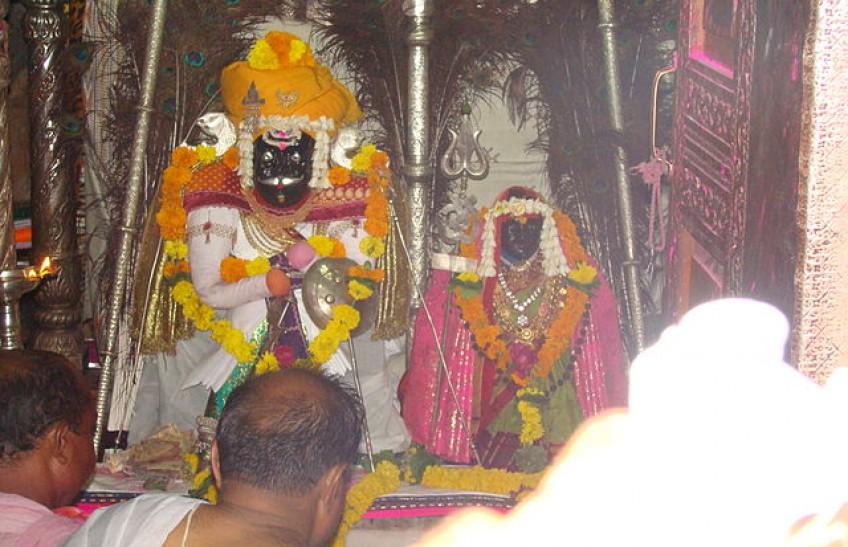
There is a big peepal tree in the temple premises. There is an ancient temple of Siddha Nath Baba in the same area where the tree is located. Brahmadev Bazaar is located at the same place as the temple. The main customers of the market are Indians. The market is traded in Indian rupees.
“Around 2,000 Indian pilgrims visit Lord Siddhanath every day during Navratri. Most of the pilgrims who come to see Siddhanath Baba are Indians.” Said Narayan Singh Mahata, chairman of the temple management committee.
"For the past two years, pilgrims could not reach the temple due to COVID-19. There was no income, but with the reduction of the COVID-19, the income of the temple has started to increase as Indian pilgrims started coming. This year, the income of the temple is estimated to reach Rs 70 lakh to Rs 80 lakh.” said chairman Narayan.
"With the reduction of the COVID-19, the rent of 65 shops owned by the temple has started to rise. After the Indian businessmen started selling prasad near the border area, there was some difficulty in making the contract for the prasad.” He added.
“Indian pilgrims arrive every year because of the religious belief that after visiting Purnagiri Mata in India, one should visit Siddhanath Baba. If you visit Siddhanath Baba, it is believed that all your wishes will be fulfilled. That's why there are crowds of Indian pilgrims in this temple." said Khemraj Paneru, a resident of Brahmadev._Rss
Also Read
