Bhaktapur, one of Nepal’s most historic cities in the Kathmandu Valley, is a living museum where art, architecture, and daily life blend seamlessly. Among its most enduring traditions, wood carving stands out as a defining craft that reflects Nepal’s broader cultural and artistic heritage.
From intricately carved temple windows and palace struts to detailed door frames and religious sculptures, Bhaktapur’s wooden artistry represents not only local identity but also Nepal’s wider tradition of sacred craftsmanship.
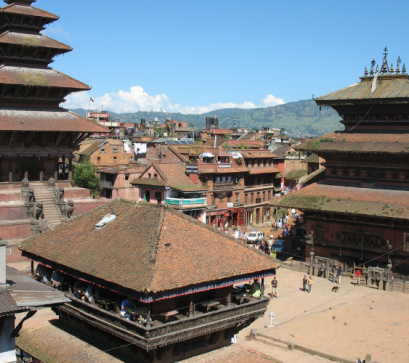
Walking through Durbar Square, Dattatraya Square, and the surrounding heritage lanes, travellers encounter a city where wood is not merely structural, it is expressive, symbolic, and deeply spiritual.
Wood carving in Nepal has evolved over centuries, influenced by religious traditions, royal patronage, and regional artistic exchange. While Bhaktapur became one of its most refined centres, the tradition is not limited to a single community or era.
During the Malla period, art and architecture flourished across the Kathmandu Valley, leading to a remarkable expansion of carved wooden temples, palaces, and public structures. Skilled artisans developed techniques that combined Hindu and Buddhist iconography, producing works that reflected Nepal’s religious diversity and cultural harmony.
This tradition continues today, not only in heritage restoration projects across the country but also in contemporary artistic practice.
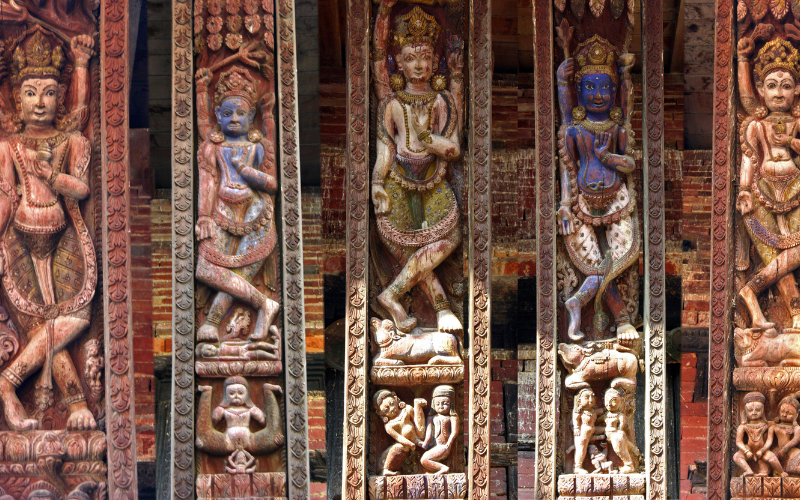
One of the most striking features of Bhaktapur’s built environment is its architectural detailing in wood. Temples and historic buildings are adorned with carved windows, toranas (ornamental arches), pillars, and struts that depict deities, mythical creatures, floral patterns, and symbolic motifs.
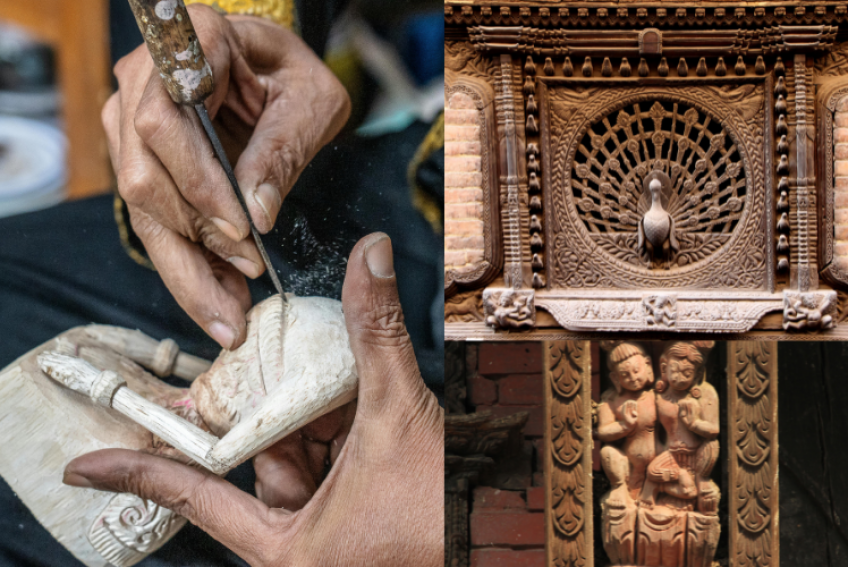
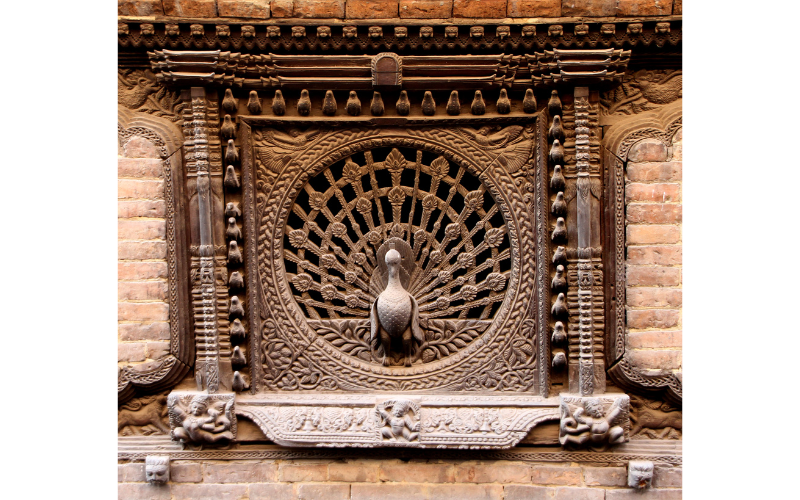
The famous Peacock Window near Dattatraya Square remains one of the most celebrated examples of wooden artistry in Nepal. Its intricate detailing showcases the extraordinary skill and patience of traditional craftsmen.
Across Nepal, similar styles of woodwork can be seen in heritage towns, monasteries, and temples, reflecting a shared artistic language that transcends regional boundaries.
Located near Dattatraya Temple, the Wood Carving Museum of Bhaktapur offers a curated glimpse into Nepal’s wooden heritage. The museum preserves centuries-old carvings, religious figures, architectural fragments, and traditional wooden artifacts that highlight the evolution of craftsmanship in the region.
Visitors can observe how wood was used not only for structural purposes but also as a medium of storytelling and devotion, with carvings depicting deities, epics, and cultural narratives.
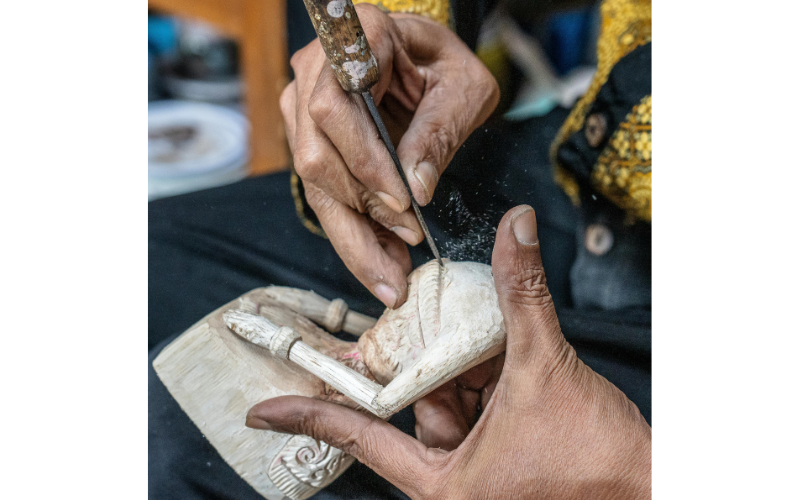
Bhaktapur offers travellers the chance to move beyond observation and actively engage with traditional wood carving practices. Local workshops and artisan centres provide short, guided experiences where visitors can learn basic carving techniques and understand the cultural meaning behind various motifs.
Under the guidance of skilled craftsmen, participants are introduced to traditional tools and methods still used in heritage restoration and artisanal production today.
Travellers interested in Nepal’s wood carving heritage can explore several key locations in Bhaktapur where the craft is preserved, practised, and shared:
A curated space showcasing historical wooden artifacts, religious sculptures, and architectural elements representing Nepal’s carving tradition.
A hands-on experience centre where visitors can observe artisans at work and try basic wood carving techniques.
A traditional workshop producing handcrafted wooden pieces inspired by Nepal’s architectural and religious heritage.
A local artisan space known for decorative woodwork and traditional designs used in both restoration and modern craft.
A craft centre offering carved souvenirs and artisan-made products reflecting Nepal’s artistic traditions.
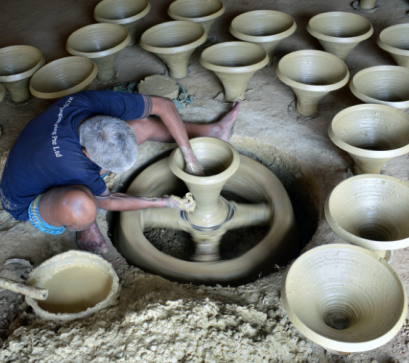
Although primarily known for pottery, this vibrant square represents Bhaktapur’s wider living heritage, where multiple traditional crafts including occasional wood carving demonstrations can be experienced in a single cultural setting.
What makes wood carving in Bhaktapur especially significant is its continuity across time and geography. It is not limited to one city or community, but forms part of Nepal’s broader artistic identity.
From ancient temples to restored heritage sites and contemporary workshops, wood carving continues to shape Nepal’s architectural landscape and cultural expression.
In Bhaktapur, every carved beam and every ornamental window tells a story, not just of the city, but of a nation where craftsmanship, spirituality, and heritage remain deeply intertwined.
PC: Wikimedia Commons, Pexels
Also Read