

 Source::
In a jubilant display of faith and community spirit, Muslims across Nepal gathered on Monday to celebrate Eid al-Adha, also known as the Feast of Sacrifice. This significant Islamic holiday honors the willingness of Prophet Ibrahim (Abraham) to sacrifice his son as an act of obedience to God's command, and is marked by prayers, feasting, and acts of charity.
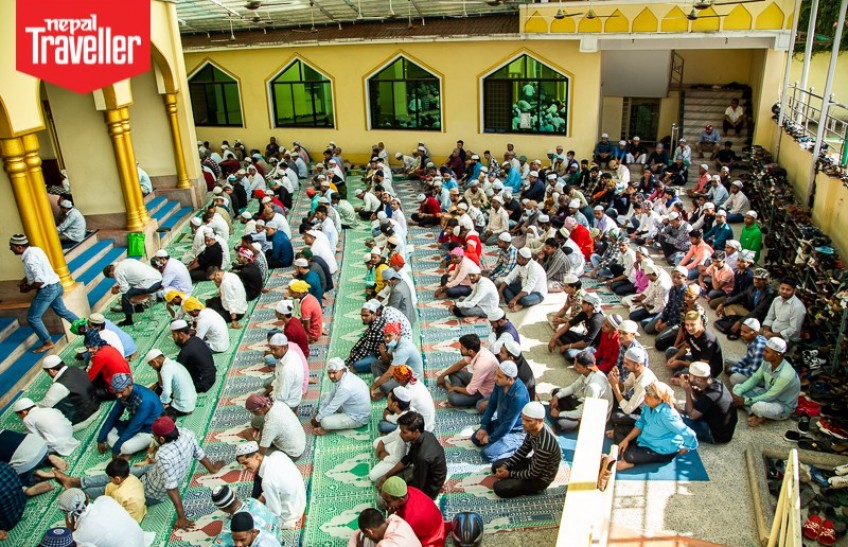
The day began early for families across the nation, as devout Muslims assembled at mosques for prayers at sunrise. The atmosphere was filled with camaraderie and warmth, with many exchanging heartfelt hugs and greetings after offering their prayers. Streets leading to mosques were bustling with merchants selling goats, symbolizing the animals traditionally sacrificed during the festival.
"Eid al-Adha is a time of immense spiritual significance for us," shared Ahmad Khan, a resident of Kathmandu. "It's not just about rituals but also about reflecting on the values of sacrifice and charity. Sharing the meat with the less fortunate is a core part of our celebration."
Central to the observance of Eid al-Adha is the act of qurbani, the sacrifice of an animal such as a goat, sheep, or cow. This act symbolizes Ibrahim's willingness to sacrifice his son, and the meat from these animals is divided into three parts: one for the family, one for relatives and friends, and one for the needy. This distribution underscores the importance of sharing blessings and ensuring that all members of the community can partake in the festivities.
Throughout the day, mosques and open fields became focal points for prayers and communal gatherings. Devotees prayed not only for personal well-being but also for global peace and prosperity. The significance of the festival resonated deeply as many expressed hopes for a world free from conflict and suffering.
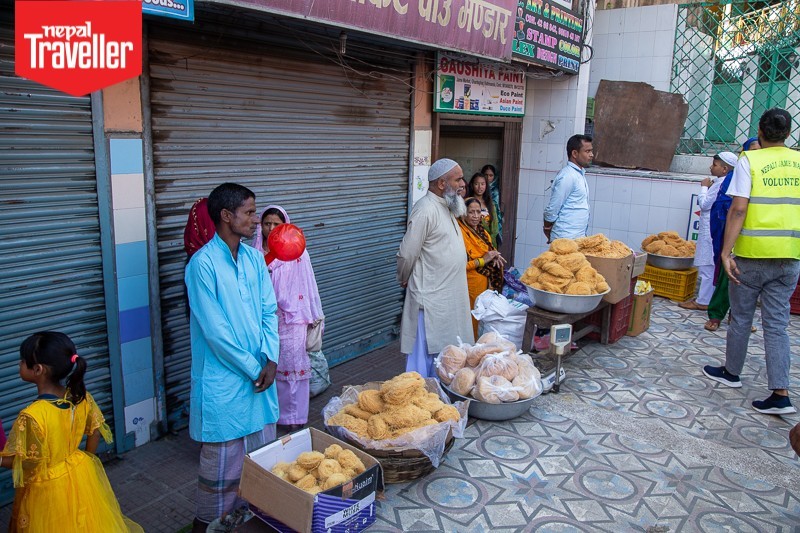
Nepal, known for its rich cultural tapestry, saw Muslims from various backgrounds come together in unity. The spirit of Eid al-Adha transcended differences as people celebrated their faith and shared their blessings with others.
As the day drew to a close, the air was filled with the aroma of delicious traditional dishes prepared with the sacrificial meat. Families and friends gathered to enjoy these meals, further reinforcing bonds of kinship and community.
"Eid al-Adha teaches us the values of sacrifice, empathy, and unity," remarked Fatima Ali, another resident of Kathmandu. "It's a reminder that our actions should reflect compassion towards others, especially those less fortunate."
As Muslims in Nepal concluded their celebrations with hearts full of gratitude and prayers for a brighter future, Eid al-Adha once again highlighted the universal themes of faith, generosity, and solidarity. The day's festivities served as a testament to the enduring spirit of community and the enduring message of peace and goodwill.
Read More