

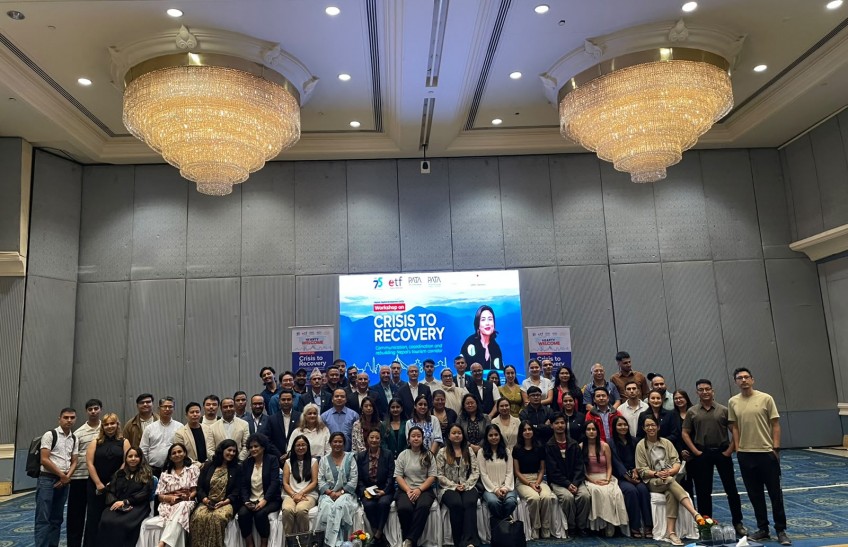
 Source::Hotel Yak & Yeti, Kathmandu
Kathmandu PATA Nepal Chapter, with the PATA Foundation and e-Tourism Frontiers, hosted "Crisis to Recovery: Communication, Coordination and Rebuilding Nepal's Tourism Corridor" at Hotel Yak & Yeti on 21 September, led by Sarah Mathews, CEO of e-Tourism Frontiers and PATA Foundation trustee, who previously helped get travel warnings lifted for Nepal on major OTA platforms.
Mathews opened by confirming the PATA Foundation "stands with Nepal" financially, not just in messaging: US$400,000 raised for World Central Kitchen in Nepal, including US$100,000 matched by the Tripadvisor Foundation, with the rest given by travellers in a single week funding hot meals since the first days of the crisis.
Working with Oxford Economics/Tourism Economics, Tripadvisor, and Sojern, Mathews shared six numbers for the room to remember: 1.16 million visitors in 2025; a -43% drop in international searches for Nepal in the fortnight after the floods, followed by a +50% rebound (8–15 Sept); a -81% drop in searches from India specifically; 48% of international flight searches for the season still to come; and destinations that communicate well recover search demand 1.5x faster than those that don't.
A second data point: Kathmandu's share of international searches fell from 74% (2024) to 51% (2026), while Pokhara's rose from 10% to 19% pointing toward leading recovery messaging with Pokhara and the Annapurna circuit, where demand is concentrating.
Suresh Singh Budal, CEO of PATA Nepal Chapter, followed with a more sobering, on-the-ground perspective. His central message was that the thumb rule through a crisis is simple to say and hard to do: keep communicating don't go silent, even when there's uncertainty or bad news.
He pushed the room to think beyond government and association-led response, calling on the private sector to take on a bigger, more active role rather than waiting for direction. His closing point tied the whole session together: recovery only works if every stakeholder government, private sector, and industry bodies alike moves together, not in separate lanes.
Do: Name one source. Date everything. Name the specific route, not the whole country. Fix risk-company data first. Write separate domestic and international messages. Give clear next steps.
Don't: Guess the cause. Lead with worry. Use casualty figures to fundraise. Say "across Nepal" for localized impact. Correct anyone in public. Film before emergency work is done.
An 81% collapse in India searches, a 1.5x recovery advantage for destinations that communicate well, and Budal's blunt reminder that silence is the enemy together, they made the case that this was a workshop about how to be trusted through a crisis, not just how to survive one.