

 Source::
The Sagarmatha Pollution Control Committee (SPCC) has issued a crucial notice introducing updated regulations for climbers attempting peaks in the Khumbu Region, including Mount Everest, Mount Lhotse, and Mount Nuptse.
Effective for the Spring 2026 climbing season, the notice outlines mandatory fees and stricter environmental protocols at Everest Base Camp, reinforcing sustainable mountaineering practices in one of the world’s most fragile ecosystems.
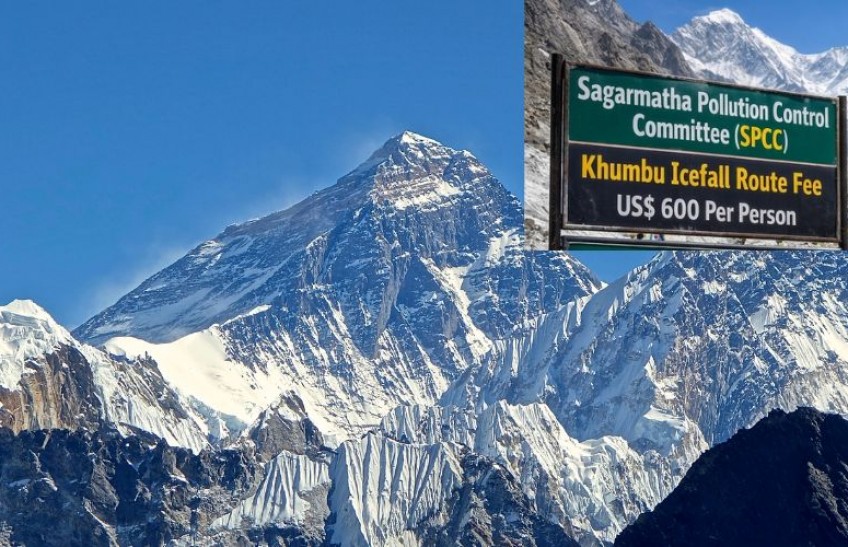
$600 Khumbu Icefall Route Fee Now Mandatory
All foreign climbers with permits for Everest, Lhotse, and Nuptse are now required to pay a Khumbu Icefall Route Fee of $600 per person.
The Khumbu Icefall remains the only access route for these peaks, making the fee compulsory regardless of the chosen climbing route.
Expedition operators must deposit the fee into SPCC’s designated bank account and submit deposit slip and valid climbing permit at the SPCC office in Namche Bazaar during permit registration.
Important:
Late payments beyond April 2026 will incur additional penalties.
Strict Waste Management Rules at Everest Base Camp
In a strong move toward environmental conservation, SPCC has made source segregation of waste mandatory across all camps, including higher altitudes.
Waste Categories Include:
Human Waste Protocol Tightened
Human waste management has been further regulated:
These measures aim to reduce pollution and maintain hygiene standards in high-altitude environments.
Mandatory Waste Retrieval for Climbers
To combat the growing waste problem in the Himalayas, climbers must now adhere to strict carry-back rules:
SPCC officials will conduct verification checks at Camp II to ensure compliance.
Stricter Monitoring and Compliance
Expedition operators must submit a detailed inventory of all food supplies and equipment stored above base camp at both the beginning and end of the climbing season. Additionally, all camps must be thoroughly cleaned before departure.
SPCC has made it clear that non-compliance will result in denial of the Garbage Clearance Letter, a crucial document for expedition closure.
A Step Toward Sustainable Mountaineering
With increasing footfall in the Everest region, these regulations reflect Nepal’s growing commitment to responsible tourism and environmental protection. The SPCC has urged all climbers, expedition operators, and support teams to strictly follow the guidelines for a safer and cleaner Himalayan experience.
Also Read
