
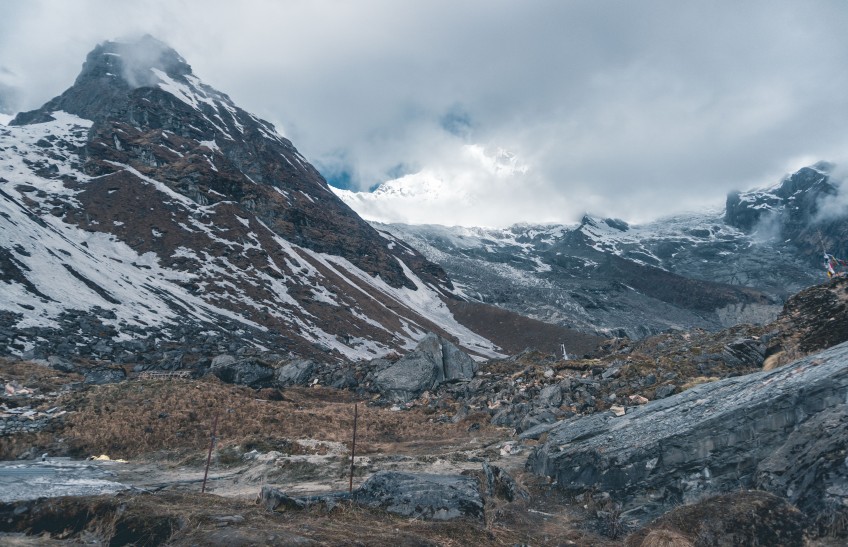
Planning an Everest Base Camp trek is exciting, but understanding the weather can make a big difference to your experience. Before setting out, it is worth checking an Everest Base Camp weather guide to understand how conditions may change along the route. The trail passes through several elevations, from Lukla and the lower valleys to the high-altitude environment around Everest Base Camp. Because of this, temperatures, snowfall, wind, cloud cover, and visibility can change considerably during the journey.
There is no single type of weather on the Everest Base Camp trail. Conditions depend on the season, altitude, and time of day. Knowing what to expect can help trekkers choose a suitable travel period, prepare the right clothing, and understand why weather can sometimes affect trekking schedules.
This guide explains Everest Base Camp weather throughout the four main trekking seasons and highlights what travelers should consider before starting their Himalayan adventure.
Everest Base Camp sits at an elevation of approximately 5,364 meters (17,598 feet), so weather conditions are considerably colder and less predictable than in Kathmandu or other lower-altitude areas of Nepal.
As you gain elevation, temperatures generally decrease. Mornings and nights can be particularly cold, while sunny afternoons may feel more comfortable during the warmer trekking seasons. Wind can also make the temperature feel much colder than the actual reading suggests.
Weather conditions can influence several parts of an Everest Base Camp trek, including trail visibility, comfort, flight schedules to and from Lukla, and the amount of snow encountered along higher sections of the route.
For this reason, checking seasonal conditions before departure and being prepared for changes during the trek is more useful than relying on a single average temperature.
As winter fades, the Everest region becomes increasingly attractive to trekkers, with spring bringing a mix of improving temperatures and generally favorable trail conditions The season generally covers March, April, and May and brings increasingly warmer conditions as the months progress.
By March, the mountains begin their gradual transition toward spring, although higher sections of the route can still feel distinctly wintry. Lower sections of the trail gradually become more comfortable, although mornings and nights can still be very cold at higher elevations.
Snow may remain around higher parts of the route, particularly early in the month. Trekkers should therefore continue carrying warm layers, gloves, a hat, and appropriate cold-weather equipment.
Clear periods can provide impressive mountain views, while changing conditions at high altitude mean that trekkers should still be prepared for cold and wind.
April is generally one of the most favorable months for trekking toward Everest Base Camp. Temperatures become more comfortable at lower elevations, while the higher mountains can still remain cold.
The combination of relatively stable conditions and good visibility makes April attractive to many trekkers. Clear mornings can provide excellent views of the surrounding Himalayan peaks.
Even though daytime conditions may feel pleasant while walking, temperatures can drop quickly after sunset. A warm sleeping system and layered clothing remain important.
May continues the spring trekking season, although conditions gradually become warmer as the month progresses. The first part of May can still offer good trekking conditions.
Toward the end of the month, the weather begins transitioning toward the summer monsoon period. Cloud cover can become more noticeable, particularly later in the day.
Trekkers visiting in May should therefore be prepared for both warm lower-altitude conditions and cold weather at higher elevations.
June, July, and August fall within Nepal's summer monsoon period. This is generally a more challenging time for trekking in the Everest region because rainfall, cloud cover, and reduced visibility can affect travel.
Rain is usually more noticeable in lower elevations, while higher sections can experience snow or other cold-weather conditions depending on altitude and local weather patterns.
Clouds can also obscure mountain views. Another consideration is transportation. Flights to Lukla can be affected by poor visibility and changing weather conditions, which may sometimes require travelers to adjust their schedules.
However, monsoon trekking is not necessarily impossible. Travelers who choose this period should understand that conditions can be less predictable and should allow flexibility in their itinerary.
Autumn, covering September, October, and November, is another major trekking season in the Everest region.
September marks the transition away from the monsoon period. Early September can still experience some residual rain and cloud cover, while conditions generally become more stable as the month progresses.
As the skies begin clearing, mountain visibility can improve considerably. Trekkers should still prepare for changing conditions, especially during the first part of the month.
October is widely regarded as a popular month for trekking in Nepal. After the monsoon season, the atmosphere can become clearer, providing excellent mountain visibility.
Daytime walking conditions are often comfortable at lower and middle elevations, but temperatures remain cold at higher elevations, particularly in the mornings and evenings.
Because of the popularity of the season, trails and teahouses can also be busier. Trekkers planning an October journey should consider arranging accommodation and logistics in advance.
November brings increasingly colder conditions, especially toward the end of the month. The skies can remain clear, and mountain visibility can be excellent during suitable weather periods.
As temperatures fall, proper insulation becomes increasingly important. Warm layers, gloves, thermal clothing, and a suitable sleeping bag can make the difference between being comfortable and struggling with the cold.
December, January, and February form the winter period. Winter takes a much colder turn in the high Himalayas, with freezing nights and harsh conditions becoming more noticeable as the trail gains elevation.
Winter trekking can offer clear mountain views and quieter trails, but the cold should not be underestimated. Higher sections of the route can experience freezing temperatures, snowfall, icy trails, and strong winds.
January is typically particularlycold, especially at night and at higher elevations. February gradually moves toward spring, but winter conditions can still continue in the high mountains.
Trekkers considering an Everest Base Camp trek during wintershould have appropriate cold-weather clothing and should be prepared for possible changes caused by snow and mountain conditions.
One of the most important things to understand about Everest Base Camp weather is that the conditions do not remain the same throughout the trek.
A relatively comfortable morning in Lukla does not mean the weather will be similar several days later at higher elevations.
As the trail climbs, temperatures generally become lower and the environment becomes more exposed. Wind can also become an important factor around higher passes and open sections of the trail.
This is why trekkers should pack for a range of conditions rather than preparing only for the weather they experience on the first day.
Best Seasons for Clear Mountain Views
Mountain visibility is an important consideration for many Everest Base Camp trekkers. Clear views allow travelers to see some of the famous Himalayan peaks along the route and make photography more rewarding.
Spring and autumn are commonly chosen by trekkers because they can offer favorable combinations of weather and visibility. However, Himalayan weather is never completely guaranteed.
Even during traditionally favorable trekking months, clouds, wind, snow, or temporary changes in conditions can occur.
Rather than expecting perfect weather every day, trekkers should plan for generally favorable conditions while remaining flexible.
Packing Essentials for Changing Conditions on the Everest Trail
Packing appropriately is one of the easiest ways to make a high-altitude trek more comfortable.
A layered clothing system is particularly useful because temperatures can change throughout the day. Instead of relying on one extremely thick jacket, trekkers can add or remove layers depending on the conditions.
Important items can include:
Thermal base layers
Fleece or insulating mid-layer
Warm down or insulated jacket
Waterproof and windproof outer layer
Trekking trousers
Warm hat and gloves
Moisture-wicking socks
Comfortable trekking boots
Sunglasses with good UV protection
Sunscreen and lip protection
Warm sleeping bag suitable for the season
Waterproof backpack cover
Headlamp and spare batteries
The exact equipment needed depends on the season, personal tolerance to cold, and the trekking itinerary.
How Weather Can Affect an Everest Base Camp Trek
On the Everest trail, changing weather can affect several practical aspects of the journey.. In the Himalayas, changing conditions can affect transportation, walking schedules, visibility, and route conditions.
For example, poor visibility may affect flights between Kathmandu and Lukla. Snow can make some sections of the trail more difficult, while strong winds and very cold temperatures can make high-altitude walking more demanding.
This is why experienced trekkers and guides generally allow some flexibility in their schedules.
A buffer day can be particularly useful when the itinerary involves flights or when weather conditions may cause delays. Trying to maintain a rigid schedule despite changing mountain conditions can create unnecessary pressure.
Weather and Altitude: Why Preparation Matters
Weather is only one part of the Everest Base Camp experience. Altitude is another major consideration.
As trekkers climb higher, the amount of available oxygen decreases. This means that even a person who is comfortable walking long distances at sea level may find high-altitude trekking physically demanding.
A sensible itinerary normally includes gradual altitude gain and acclimatization. Trekkers should pay attention to how they feel and communicate with their guide or trekking team if they experience concerning symptoms.
Good preparation therefore involves more than checking the temperature. Fitness, acclimatization, hydration, appropriate clothing, and a realistic itinerary all contribute to a safer and more comfortable journey.
How to Check Everest Base Camp Weather Before Your Trek
Weather forecasts can help with preparation, but Himalayan conditions can change quickly. It is useful to check forecasts before leaving Kathmandu and continue monitoring conditions during the trek when reliable information is available.
Trekkers can also speak with local guides, accommodation operators, and experienced trekking teams because they may have recent information about trail and weather conditions.
For a more detailed breakdown of monthly conditions, temperatures, and seasonal patterns, travelers can also consult a dedicated Everest Base Camp weather guide before finalizing their trekking plans.
Final Thoughts
Everest Base Camp weather changes significantly throughout the year and along the route. Spring and autumn are popular trekking periods because they can provide favorable conditions and good mountain visibility, while summer monsoon brings more rain and cloud cover and winter brings much colder conditions.
There is no season that completely eliminates changing mountain weather. The best approach is to understand the typical conditions, pack appropriately, allow flexibility in the itinerary, and respect the challenges of high-altitude environments.
With realistic expectations and proper preparation, trekkers can focus less on worrying about the weather and more on enjoying the Himalayan landscapes, mountain villages, and unforgettable journey toward Everest Base Camp.