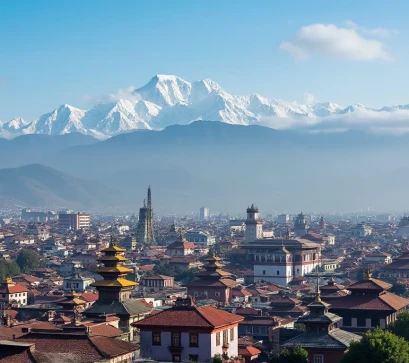
The Newar are the original inhabitants of the Kathmandu Valley in Nepal, known for creating one of the richest urban cultures in the Himalayas. Their culture is a unique blend of Hindu and Buddhist traditions, reflected in their festivals, rituals, architecture, and daily life.
Newar culture is famous for its intricate art, wood and metal craftsmanship, and historic temples found throughout cities like Kathmandu, Patan, and Bhaktapur. Festivals such as Indra Jatra and Tihar are celebrated with great devotion, music, masked dances, and traditional rituals.
Newars also have a rich food culture, including dishes like Yomari and Samay Baji, which are central to festivals and community gatherings. Their social structure, traditional festivals, and preserved heritage make Newar culture one of the most vibrant and historically significant cultures in Nepal.
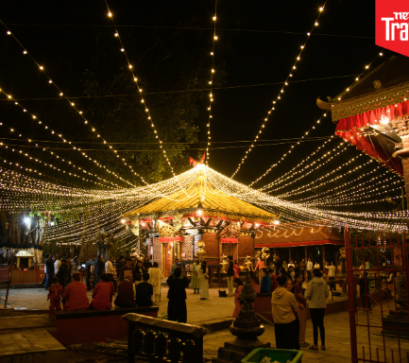
The Newar community has one of the richest festival traditions in Nepal, especially in Kathmandu Valley. Their festivals blend Hindu and Buddhist beliefs, with music, dance, rituals, and community feasts.
Indra Jatra – One of the biggest Newar festivals featuring masked dances, chariot processions, and worship of the living goddess Kumari.
Bisket Jatra – Celebrated in Bhaktapur with massive chariot pulling and the symbolic victory of new year celebrations.
Gai Jatra – A festival of remembrance where families honor deceased loved ones with processions and humor.
Tihar – Known as the festival of lights, celebrated with special Newar traditions like worshipping crows, dogs, cows, and brothers.
Holi – Celebrated with joy, colors, music, and social gatherings.
Newar festivals are deeply tied to seasons, agriculture, religion, and community life, making them an essential part of Nepal’s cultural identity.
The lifestyle of the Newar is deeply rooted in tradition, community, and culture, especially in the cities of Kathmandu, Bhaktapur, and Patan.
Newar life is strongly community-based, where family, neighbors, and traditional social systems like the guthi (a cultural and religious trust system) play an important role in organizing festivals, rituals, and social events.
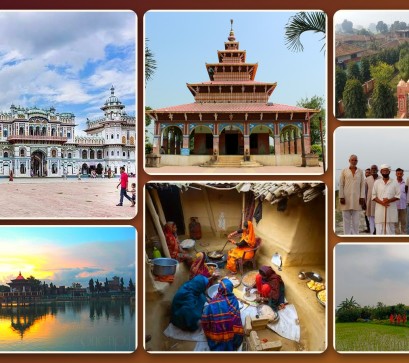
Daily life often blends modern living with traditional practices. Many Newars still live in historic courtyards called bahas and chowks, where cultural activities and social gatherings naturally take place.
Food is an important part of their lifestyle, with traditional dishes such as Samay Baji and Yomari commonly prepared during festivals and family gatherings.
Religion also plays a central role, as Newars follow both Hindu and Buddhist traditions. Their lifestyle includes regular temple visits, rituals, and participation in major festivals like Indra Jatra and Gai Jatra.
Overall, Newar lifestyle reflects a balance between ancient heritage and modern urban life, making it one of the most culturally rich communities in Nepal.
Traditional culture of the Newar is one of the oldest and richest cultural systems in Nepal, centered in the Kathmandu Valley, including Kathmandu, Bhaktapur, and Patan.
2. Religion and Beliefs
Newars practice both Hinduism and Buddhism together. Temples, stupas, and sacred courtyards are central to their spiritual life, and daily rituals are commonly performed at home and in local shrines.
3. Traditional Food Culture
Food plays a major role in celebrations and daily life. Popular traditional dishes include Samay Baji (a ceremonial set meal) and Yomari (a steamed sweet prepared during festivals).
4. Architecture and Art
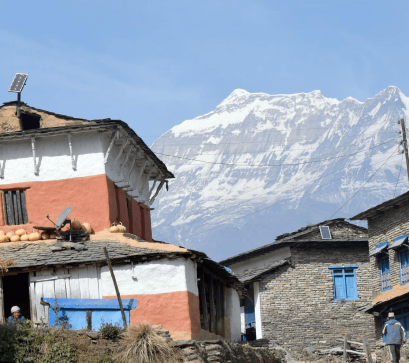
Newars are known for their unique architecture—wood-carved windows, brick houses, temples, and historic courtyards (bahas and chowks). Their craftsmanship is seen in centuries-old heritage sites across the valley.
5. Social System
The traditional guthi system plays an important role in organizing festivals, funerals, and community responsibilities, keeping culture alive through generations.
6. Daily religious practices
Many Newars follow both Hindu and Buddhist traditions. Families perform daily worship at home shrines (puja), offer food to deities, and visit nearby temples or monasteries.
7.Life-cycle rituals (sacraments)
Newars follow important rituals throughout life, such asBirth ceremonies (naming rituals)Coming-of-age rituals (like Ihi for girls, symbolically marrying a deity)Marriage ceremonies with detailed traditional customs and Death rituals and memorial ceremonies
8. Festivals and community celebrations
They actively participate in major festivals like Indra Jatra, Gai Jatra, and Yomari Punhi. These events include masked dances, music, chariot processions, and communal feasts.
9. Music, dance, and art
Traditional drums, masked dances, and cultural performances are essential during festivals, reflecting stories of gods, ancestors, and community history.
Newar people observe their culture through a strong mix of religion, festivals, life rituals, food traditions, and community systems, making their cultural identity very active and well-preserved even in modern times.The traditional food of the Newar is one of the richest cuisines in Nepal, known for its variety, unique flavors, and strong connection to festivals and rituals in Kathmandu Valley.
1. Samay Baji
A traditional ceremonial platter served during festivals and gatherings. It includes beaten rice, roasted meat, lentils, eggs, pickle, and spicy side dishes.
2. Yomari
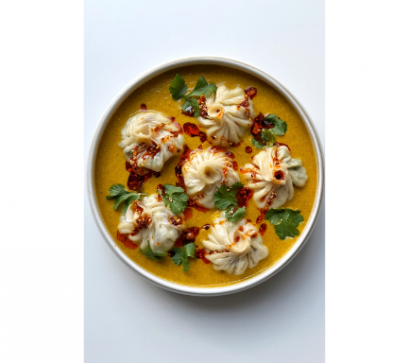
A steamed rice flour dumpling filled with sweet molasses and sesame seeds, traditionally prepared during the harvest festival Yomari Punhi.
3. Choila
Spiced grilled meat (buff or chicken) mixed with chili, garlic, and mustard oil.
4. Bara
Lentil pancakes that can be plain or topped with egg, meat, or vegetables.
5. Chatamari
Often called “Newari pizza,” it is a rice flour crepe topped with eggs, minced meat, or vegetables.
6. Aila
A traditional homemade Newari alcoholic drink used during rituals and celebrations.
Food is not just for eating—it is an essential part of rituals, festivals, and social bonding. Almost every major ceremony includes special traditional dishes shared among family and community members.Newari cuisine reflects the identity, history, and celebration culture of the Newar, making it one of the most unique and culturally rich food traditions in Nepal.