.png)
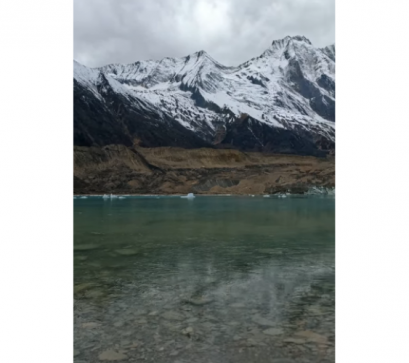
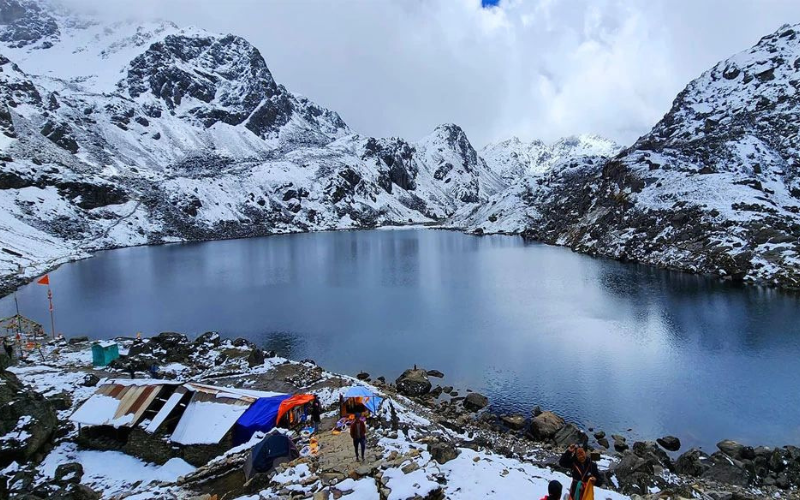
Gosaikunda is a high-altitude alpine lake located in Langtang National Park, roughly 4,380 meters (14,370 feet) above sea level in the Rasuwa District of Nepal. It is a sacred site in both Hindu and Buddhist traditions, renowned for its natural beauty and spiritual significance within the Himalayas.The highest point to be reached in this trek is Gosaikunda Lake (4380M/ 14370Ft) for an overnight stay, it is also known as the Frozen Lake of Nepal because the lake remains frozen during the month of winter.
Gosaikunda lies amid rugged Himalayan terrain surrounded by snow-capped peaks. The lake’s clear, glacial waters feed several downstream rivers, including the Trishuli River. During the monsoon and summer seasons, melting snow replenishes the lake, creating dramatic seasonal variations in its size and color. The surrounding landscape supports alpine meadows, rhododendron forests, and wildlife such as red pandas and Himalayan tahr.
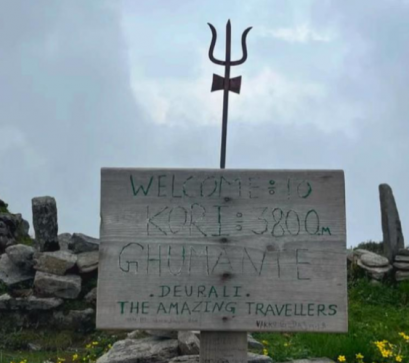
According to Hindu mythology, Gosaikunda was created when Lord Shiva thrust his trident into a mountain to obtain water after swallowing poison during the Samudra Manthan (cosmic churning). Thousands of pilgrims visit during the Janai Purnima festival each August, when devotees bathe in the lake’s icy waters to purify their souls. The site also holds significance for Buddhist practitioners, who regard it as a place of meditation and spiritual renewal.
Kathmandu → Dhunche → Deurali → Laurebina → Gosaikunda → Chandanbari → Dhunche → Kathmandu (4 days).
The trek to Gosaikunda is one of Nepal's most popular short Himalayan treks. It combines stunning mountain scenery, alpine lakes, forests, and religious significance.
The Gosaikunda Trek is one of Nepal’s classic short Himalayan routes, often combined with the Langtang Valley Trek. Trekkers typically begin from Dhunche or Syabrubesi, ascending through Laurebina Pass (4,610 m) before reaching the lake. The area offers sweeping views of Langtang Lirung and Ganesh Himal ranges, with simple lodges catering to pilgrims and hikers alike.
Gosaikunda offers a unique combination of natural beauty, cultural heritage, and spiritual importance. The trek is relatively short compared with many other Himalayan routes, making it a rewarding option for trekkers seeking high-altitude scenery within a few days. Trekkers enjoy views of peaks in the Langtang region, including Langtang Lirung, as well as surrounding snow-capped mountain.The route passes through traditional Tamang settlements, offering opportunities to learn about local customs, food, and lifestyles.
Also Read